
Best Diet Food You Can Make at Home: A Complete Guide to Healthy, Simple, and Sustainable Eating
In today’s world, where fast food, packaged snacks, and sugary drinks are easily available, maintaining a healthy diet has become a challenge for many people. Busy schedules, lack of awareness, and common myths about dieting often push people toward unhealthy eating habits. However, the truth is that the best diet food is simple, home-cooked food made with fresh ingredients and prepared using the right methods.
Diet food does not mean skipping meals or eating tasteless dishes. It means choosing food that nourishes the body, supports energy levels, improves digestion, and helps maintain a healthy weight. When prepared at home, diet food can be delicious, affordable, and suitable for all age groups.
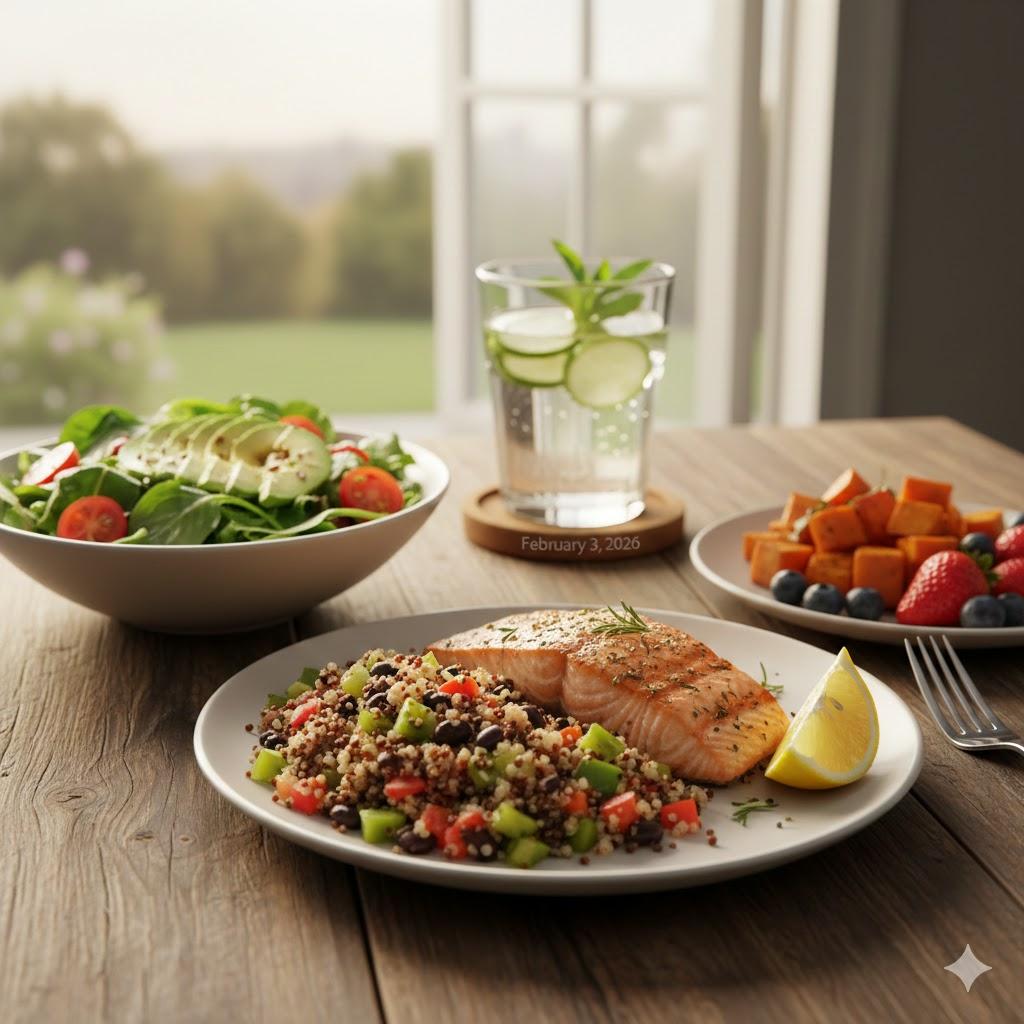
This article explains in detail what diet food really is, why homemade diet food is the best option, and which healthy meals you can easily prepare at home for breakfast, lunch, dinner, and snacks. It also covers common mistakes people make while dieting and practical tips to follow a healthy diet in daily life.
Understanding the Concept of Diet Food
Many people believe that diet food is only meant for weight loss, but this is not true. Diet food is about balanced nutrition, not deprivation. A proper diet supports overall health, improves immunity, and reduces the risk of lifestyle diseases such as diabetes, obesity, heart problems, and high blood pressure.
A healthy diet includes the right proportion of:
- Proteins
- Carbohydrates
- Fats
- Vitamins
- Minerals
- Fiber
When these nutrients are consumed in balanced quantities, the body functions efficiently and stays energetic throughout the day.
Diet food should:
- Keep you full for longer
- Prevent overeating
- Support metabolism
- Improve digestion
- Provide sustained energy
Why Homemade Diet Food Is the Best Choice
1. Full Control Over Ingredients
When you cook at home, you decide what goes into your food. You can control the amount of oil, salt, sugar, and spices used. This helps avoid excess calories and unhealthy additives.
2. Fresh and Nutritious
Home-cooked meals use fresh vegetables, grains, and proteins. Fresh food retains more nutrients compared to packaged or processed food.
3. No Hidden Calories
Restaurant and packaged foods often contain hidden fats, sugars, and preservatives. Homemade diet food is transparent and clean.
4. Cost-Effective
Healthy eating does not require expensive superfoods. Basic ingredients available in Indian kitchens are enough to prepare nutritious meals.
5. Suitable for Long-Term Health
Crash diets are difficult to follow and harmful in the long run. Homemade diet food promotes sustainable and healthy eating habits.
Basic Principles of Healthy Diet Cooking
Before choosing specific diet foods, it is important to understand some basic principles of healthy cooking.
Choose Whole Foods
Whole foods include fruits, vegetables, whole grains, pulses, nuts, seeds, eggs, milk, and lean meats. These foods are rich in natural nutrients.
Avoid Processed Foods
Processed foods contain refined flour, added sugar, unhealthy fats, and preservatives that harm health.
Use Healthy Cooking Methods
Healthy cooking methods include:
- Boiling
- Steaming
- Roasting
- Grilling
- Sautéing with minimal oil
Avoid deep frying and excessive use of butter or ghee.
Maintain Portion Control
Even healthy food should be eaten in moderate quantities. Overeating can lead to weight gain.
Stay Hydrated
Drinking enough water helps digestion, detoxification, and appetite control.
Effect of Unhealthy Food on Your Life
Unhealthy food has become a common part of modern lifestyles due to busy schedules, easy availability, and attractive packaging. Foods high in sugar, salt, unhealthy fats, and artificial additives may taste good, but regular consumption can have serious negative effects on both physical and mental health. Over time, unhealthy eating habits can deeply affect a person’s quality of life.
One of the most noticeable effects of unhealthy food is weight gain and obesity. Junk food is high in calories but low in nutrients, which leads to overeating without satisfying the body’s nutritional needs. This excess weight increases the risk of lifestyle diseases such as diabetes, high blood pressure, and heart problems. Physical activities also become difficult, leading to tiredness and low stamina.
Unhealthy food also affects digestion. Fried and processed foods slow down digestion and often cause problems like acidity, bloating, constipation, and stomach discomfort. Lack of fiber in such foods further worsens digestive health, making the body feel heavy and sluggish.
Another major impact is on energy levels and productivity. Foods high in sugar cause sudden spikes in energy followed by sharp crashes, leading to tiredness, laziness, and poor concentration. As a result, daily activities, studies, and work performance may suffer.
Mental health is also influenced by unhealthy eating habits. Regular consumption of junk food has been linked to mood swings, stress, anxiety, and irritability. Nutrient-poor food fails to support brain function, affecting focus, memory, and emotional balance.
Unhealthy food can also weaken the immune system, making the body more prone to infections and illnesses. Frequent colds, slow recovery, and general weakness become common when the body does not receive essential vitamins and minerals.
In addition, unhealthy eating negatively affects skin and overall appearance. Oily and sugary foods can cause acne, dull skin, and hair problems. Over time, a person may feel less confident about their appearance.
In conclusion, unhealthy food may offer temporary pleasure, but its long-term effects are harmful. It affects physical health, mental well-being, energy levels, and confidence. Adopting healthy eating habits and reducing junk food intake is essential for leading a balanced, energetic, and healthy life
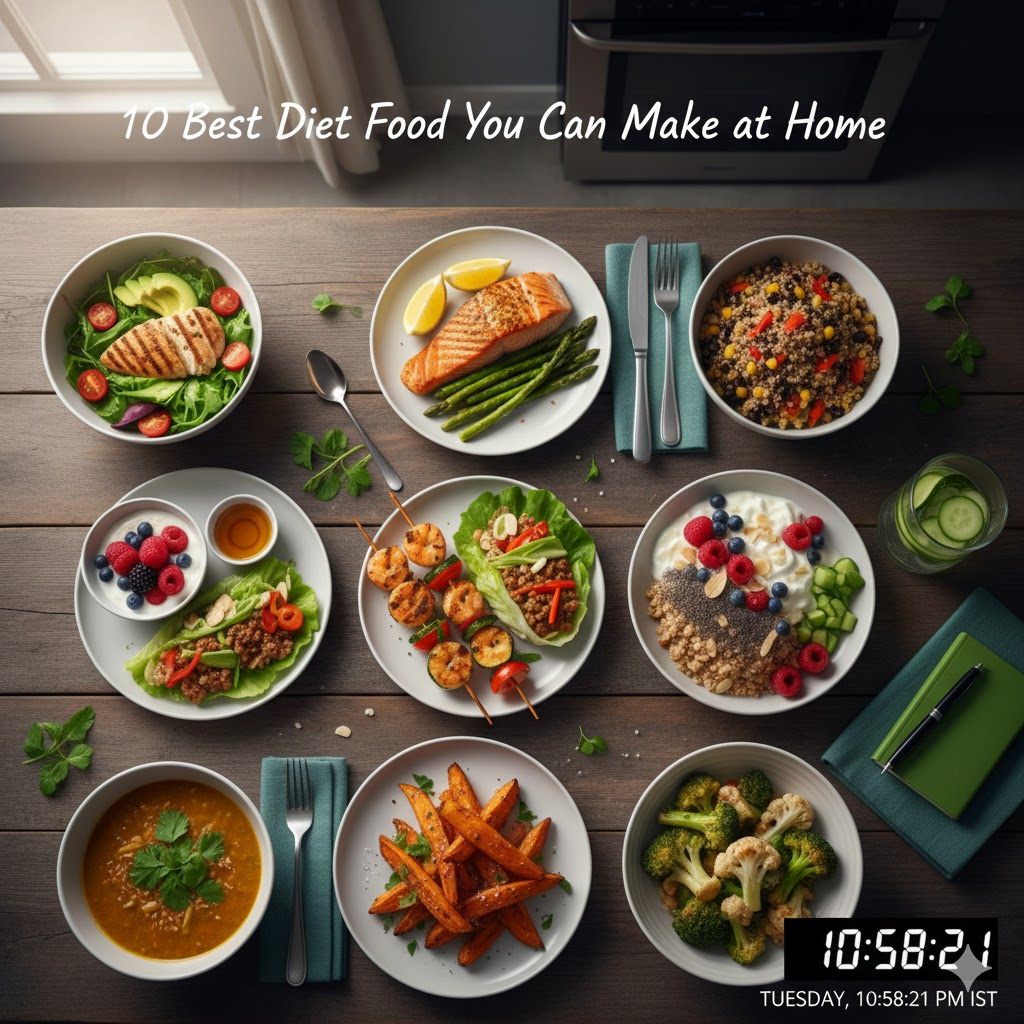
10 Best Diet Foods You Can Make at Home
Eating healthy does not require expensive ingredients or complicated recipes. With simple items available in your kitchen, you can prepare diet foods that are nutritious, filling, and delicious. Below are 10 of the best diet foods you can easily make at home, suitable for weight management and overall health.
1. Vegetable Oats
Vegetable oats are one of the healthiest diet meals. Oats are rich in fiber, which helps in digestion and keeps you full for a long time. Adding vegetables like carrots, beans, peas, and capsicum increases vitamin and mineral content.
Best for: Breakfast or light dinner
2. Moong Dal Chilla
Moong dal chilla is a high-protein Indian diet food. It is light on the stomach and easy to digest. You can add vegetables like onion or spinach to enhance taste and nutrition.
Best for: Breakfast or lunch
3. Boiled Eggs
Boiled eggs are simple, affordable, and extremely nutritious. They are rich in protein and healthy fats, which help control hunger and boost metabolism.
Best for: Breakfast or snacks
4. Sprouts Salad
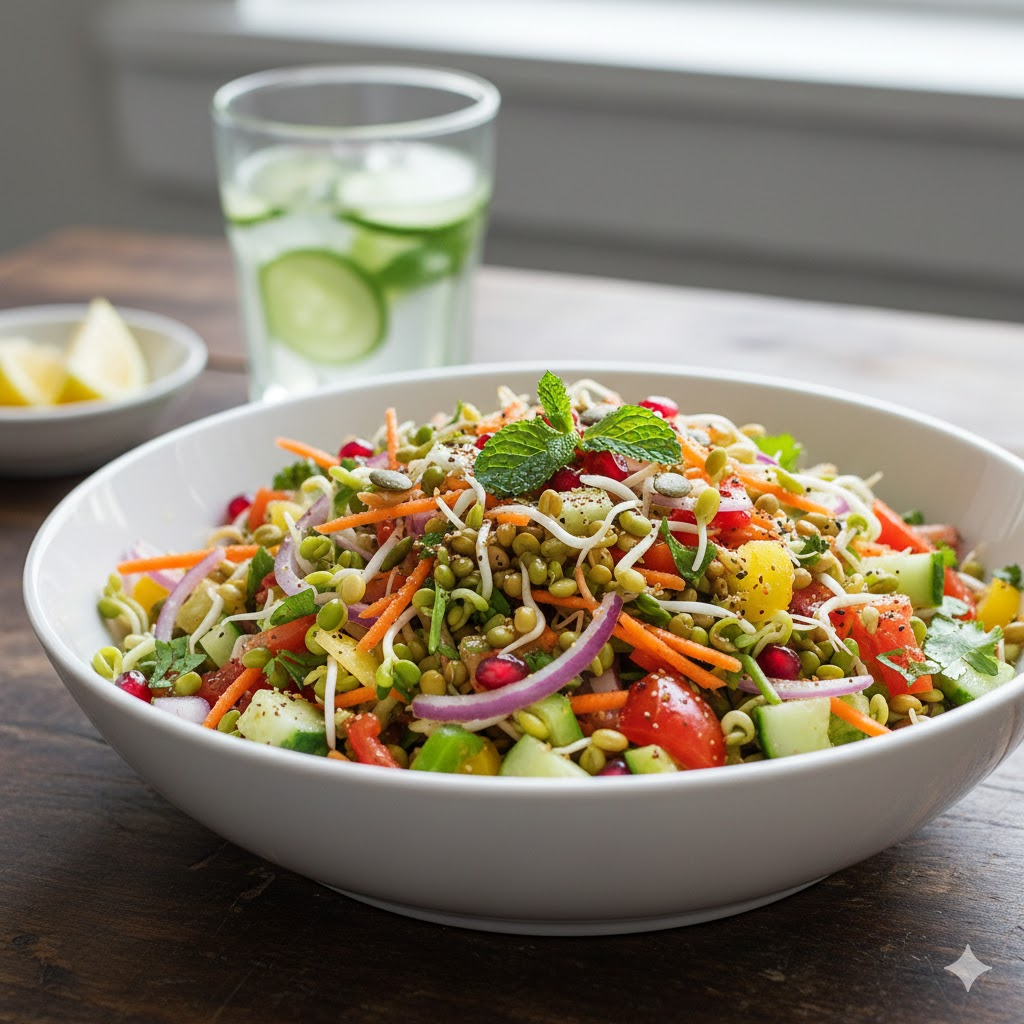
Sprouts salad made from moong or mixed sprouts is packed with protein, fiber, and essential nutrients. Adding lemon, cucumber, and tomatoes makes it refreshing and tasty.
Best for: Evening snack or light meal
5. Vegetable Soup
Homemade vegetable soup is low in calories and rich in vitamins. It helps in hydration, digestion, and weight control when prepared without cream or excess oil.
Best for: Dinner or evening meal
6. Brown Rice with Dal
Brown rice contains more fiber than white rice and provides long-lasting energy. When combined with dal, it becomes a balanced meal rich in protein and carbohydrates.
Best for: Lunch
7. Grilled Paneer
Paneer is a great source of protein and calcium. Grilling paneer with minimal oil and spices makes it a healthy and satisfying diet food.
Best for: Lunch or dinner
8. Curd with Fruits or Seeds
Curd improves digestion and gut health. Adding fruits or seeds like chia or flaxseeds enhances nutrition and keeps you full.
Best for: Breakfast or snacks
9. Stir-Fried Vegetables
Stir-fried vegetables cooked with minimal oil retain nutrients and are low in calories. They are rich in fiber and help in weight management.
Best for: Lunch or dinner
10. Roasted Chana
Roasted chana is a healthy alternative to fried snacks. It is high in protein and fiber and helps control hunger between meals.
Best for: Evening snacks
Best Diet Foods for Breakfast
Breakfast is the most important meal of the day. A healthy breakfast boosts metabolism and prevents unhealthy snacking later.
1. Vegetable Oats
Oats are rich in fiber and help maintain stable blood sugar levels. Cooking oats with vegetables like carrots, beans, peas, and capsicum makes them more nutritious.
Benefits:
- Improves digestion
- Keeps you full
- Low in calories
2. Moong Dal Chilla
Moong dal chilla is an excellent high-protein breakfast option. It is light, filling, and easy to digest.
Benefits:
- Supports muscle health
- Controls hunger
- Good for weight management
3. Boiled Eggs
Eggs are a complete protein source. Having boiled eggs for breakfast provides energy and keeps you full for hours.
4. Fruit Bowl with Seeds
Fresh fruits like apple, papaya, berries, and guava combined with chia seeds or flaxseeds make a nutritious breakfast.
Best Diet Foods for Lunch
Lunch should be balanced and satisfying without making you feel heavy.
1. Brown Rice with Dal and Vegetables
Brown rice contains more fiber than white rice. When combined with dal and vegetables, it forms a complete meal.
2. Roti with Vegetable Sabzi and Curd
Whole wheat roti with seasonal vegetables and curd supports digestion and provides essential nutrients.
3. Quinoa Vegetable Khichdi
Quinoa is rich in protein and fiber. Vegetable quinoa khichdi is light, nutritious, and filling.
4. Grilled Paneer or Chicken with Salad
Grilled paneer or chicken provides high-quality protein without excess fat.
Best Diet Foods for Evening Snacks
Healthy snacking prevents overeating during dinner.
1. Roasted Chana
Roasted chana is low in calories and high in protein and fiber.
2. Sprouts Salad
Sprouts are nutrient-dense and improve digestion.
3. Fruits with Nuts
Fruits combined with nuts provide natural energy and prevent sugar cravings.
Best Diet Foods for Dinner
Dinner should be light and easy to digest.
1. Vegetable Soup
Clear vegetable soup is warm, comforting, and low in calories.
2. Stir-Fried Vegetables
Quick stir-fried vegetables retain nutrients and taste great.
3. Dal with Salad
Dal with fresh salad makes a light and nutritious dinner.
Indian Superfoods for Healthy Dieting
Indian kitchens are rich in natural superfoods such as:
- Turmeric
- Ginger
- Curd
- Flaxseeds
- Moringa
- Lentils
These foods support immunity and overall health.
Foods to Avoid While Dieting
- Deep-fried food
- Sugary drinks
- Bakery products
- Packaged snacks
- Excess sweets
Avoiding these foods helps maintain calorie balance and prevents weight gain.
Common Dieting Mistakes
- Skipping meals
- Following extreme diets
- Eating too little protein
- Ignoring hydration
- Depending on supplements
Healthy dieting should be practical and sustainable.
Tips to Maintain a Healthy Diet Lifestyle
- Plan meals in advance
- Eat slowly and mindfully
- Include physical activity
- Get proper sleep
- Stay consistent
Changes You Feel After Including Diet Food in Your Life
Adopting diet food into daily life is not just about losing weight. It is a gradual lifestyle change that positively affects the body, mind, and overall well-being. When you start eating healthy, home-cooked, balanced meals regularly, the changes may not appear overnight, but over time they become clearly noticeable. These changes influence your physical health, mental state, energy levels, habits, and even your confidence.
Below are the major changes people commonly experience after following a diet-friendly food routine.
1. Improved Energy Levels
One of the first changes people notice after switching to diet food is increased energy throughout the day. Diet food provides balanced nutrients instead of empty calories. When your body receives proper carbohydrates, proteins, and healthy fats, it releases energy steadily instead of sudden spikes and crashes.
You may feel:
- Less tired during the day
- More active in the morning
- Reduced afternoon sleepiness
Healthy foods like fruits, vegetables, whole grains, and proteins help the body function efficiently.
2. Better Digestion and Gut Health
Diet food is usually rich in fiber, which improves digestion. Fiber helps food move smoothly through the digestive system and prevents constipation and bloating.
After following a healthy diet, you may notice:
- Reduced acidity and gas
- Regular bowel movements
- Less bloating
- Improved appetite control
Foods like vegetables, fruits, whole grains, curd, and sprouts support gut bacteria and improve digestive health.
3. Healthy Weight Management
One of the most visible changes is weight balance. Diet food helps the body maintain a healthy weight naturally without extreme restrictions.
You may experience:
- Gradual and healthy weight loss
- Reduction in belly fat
- Better body shape
- Less water retention
Instead of quick weight loss, diet food supports long-term results that are easier to maintain.
4. Improved Mental Clarity and Focus
What you eat affects how your brain works. Diet food supplies essential nutrients that support brain function and concentration.
After eating healthy consistently, you may feel:
- Better focus
- Improved memory
- Less mental fog
- Increased productivity
Avoiding excess sugar and junk food helps stabilize mood and improves cognitive performance.
5. Better Mood and Emotional Balance
Diet food plays a major role in emotional health. Processed foods and excess sugar can cause mood swings, while healthy food supports emotional stability.
Positive emotional changes include:
- Reduced stress and anxiety
- Better mood control
- Less irritability
- Improved confidence
Healthy eating helps regulate hormones that influence emotions.
6. Stronger Immunity
A balanced diet strengthens the immune system. Diet food provides vitamins, minerals, and antioxidants that protect the body from illness.
Over time, you may notice:
- Fewer colds and infections
- Faster recovery from illness
- Increased resistance to seasonal diseases
Foods like fruits, vegetables, turmeric, ginger, and curd help build immunity.
7. Improved Sleep Quality
Diet food helps regulate digestion and hormones, which directly affects sleep. Eating light, healthy meals makes the body more relaxed at night.
After adopting diet food, you may experience:
- Deeper sleep
- Fewer sleep disturbances
- Better morning freshness
Avoiding heavy, oily meals at night improves sleep quality.
8. Clearer Skin and Healthier Hair
Diet food improves skin and hair health by providing essential nutrients and hydration.
Visible changes include:
- Clearer skin
- Reduced acne and dullness
- Stronger, shinier hair
- Reduced hair fall
Fruits, vegetables, nuts, seeds, and adequate water intake play a key role.
9. Reduced Cravings for Junk Food
Initially, cravings for junk food may be strong. However, as your body adjusts to healthy eating, these cravings gradually reduce.
You may notice:
- Less desire for sugary snacks
- Better control over portion size
- Increased preference for home-cooked food
Diet food stabilizes blood sugar levels, reducing unhealthy cravings.
10. Better Relationship with Food
Diet food helps change how you view food. Instead of seeing food as an enemy, you begin to understand it as nourishment.
Positive changes include:
- Mindful eating habits
- Enjoying meals without guilt
- Better portion awareness
This mindset makes healthy eating sustainable.
11. Increased Self-Confidence
As your body feels healthier and more energetic, your confidence naturally improves.
You may feel:
- More comfortable in your body
- Proud of your healthy habits
- Motivated to maintain your lifestyle
Healthy eating often encourages other positive habits like exercise and self-care.
12. Long-Term Health Benefits
The most important change is long-term health improvement. Diet food reduces the risk of lifestyle diseases.
Long-term benefits include:
- Lower risk of obesity
- Better heart health
- Controlled blood sugar levels
- Improved cholesterol levels
Healthy eating supports a longer, more active life.
Conclusion
The best diet food is not found in expensive packages or strict diet plans. It is found in your kitchen. Homemade diet food is nutritious, affordable, and sustainable. By choosing the right ingredients and cooking methods, you can enjoy delicious meals while taking care of your health.
Healthy eating is a lifestyle choice. Small, consistent efforts lead to long-term benefits. When diet food is prepared at home with care and balance, it nourishes not just the body but also the mind.
Healthy eating does not mean giving up taste. These diet foods are easy to prepare at home, nutritious, and suitable for daily consumption. By including them in your routine, you can improve digestion, maintain a healthy weight, and boost overall well-being.
Including diet food in your life is not a temporary change—it is a powerful lifestyle transformation. The benefits go far beyond physical appearance. From better energy and digestion to emotional balance and self-confidence, diet food positively impacts every aspect of life.
The key is consistency, balance, and patience. Small, healthy choices made daily create lasting changes. When diet food becomes a part of your routine, you don’t just feel healthier—you live better.