
Introduction: Why Talent Alone Is No Longer Enough
For decades, talent was glorified as the ultimate success factor. We were taught to admire prodigies, geniuses, and “naturally gifted” individuals—the ones who seemed to win effortlessly. From school toppers to viral sensations, society conditioned us to believe that talent is the shortcut to greatness.
But 2026 tells a very different story.
In a world driven by algorithms, automation, content overload, fast-changing careers, and constant competition, talent alone no longer guarantees success. In fact, talent without consistency often fades into irrelevance.
Today, consistency beats talent—every single time.
This isn’t motivational fluff. It’s backed by psychology, neuroscience, workplace trends, creator economy data, and real-world success stories. The most successful people in 2026 aren’t always the smartest, fastest, or most gifted—they’re the ones who show up daily, improve incrementally, and refuse to quit.
Let’s break down why consistency has become the ultimate superpower, and why it outperforms talent in almost every area of life.
Understanding the Difference Between Talent and Consistency
In conversations about success, talent and consistency are often mentioned together—but they are not the same, and confusing the two can hold people back. Understanding how they differ is the first step toward sustainable growth in 2026.
What Is Talent?
Talent refers to a natural ability or aptitude that allows someone to perform a task more easily or more effectively than others—especially in the beginning. It often shows up early and may require less initial effort.
Examples of talent include:
- A natural flair for writing or speaking
- Quick mathematical understanding
- Artistic creativity or musical ability
- Strong leadership presence from a young age
Talent gives people a head start, not a guarantee of success. It can create early wins, admiration, and confidence—but it does not automatically lead to long-term achievement.

What Is Consistency?
Consistency is the habit of showing up regularly and putting in effort, regardless of mood, motivation, or immediate results. It’s about repeating actions over time, even when progress feels slow.
Consistency involves:
- Daily or regular practice
- Long-term commitment
- Discipline over excitement
- Improvement through repetition
Unlike talent, consistency is not innate—it’s developed. Anyone can build it, regardless of background or skill level.
The Core Difference
| Talent | Consistency |
|---|---|
| Natural and often effortless | Built through discipline and habit |
| Produces quick early results | Produces steady long-term growth |
| Depends on motivation | Survives even without motivation |
| Can fade without effort | Strengthens with time |
| Limited to a few | Accessible to everyone |
Talent may help you start faster, but consistency determines how far you go.
Why Talent Alone Is Not Enough
Talented individuals often rely on their natural ability, which can lead to:
- Complacency
- Avoidance of hard work
- Difficulty handling failure
When challenges increase—as they always do—talent without consistency struggles to keep up.
Why Consistency Outperforms Talent Over Time
Consistency creates:
- Skill mastery through repetition
- Mental resilience
- Strong work ethic
- Trust and reliability
A moderately talented person who practices consistently will almost always surpass a highly talented person who does not.
The 2026 Reality
In a world shaped by:
- Rapid technological change
- AI-driven tools
- Short attention spans
- High competition
Talent is no longer rare—but consistency is. The ability to stay focused, committed, and persistent has become the real differentiator.
In Simple Terms
- Talent decides how you start
- Consistency decides how you finish
Success in 2026 doesn’t belong to the most gifted—it belongs to those who show up every day and keep going.
The Psychology Behind Why Consistency Wins
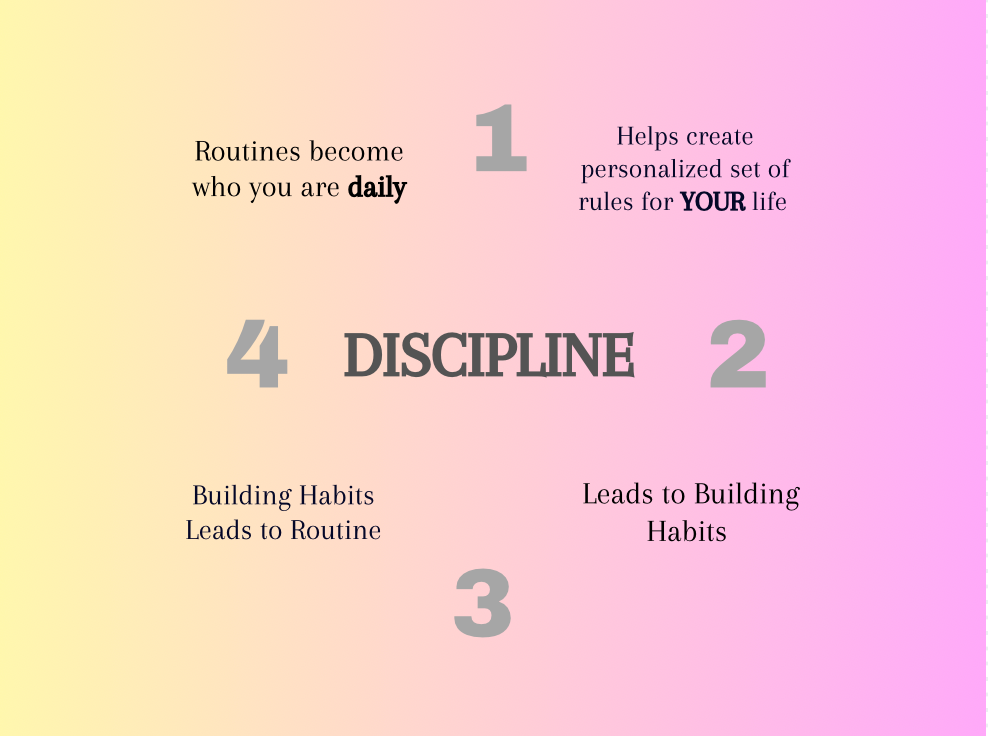
Human behavior, not raw ability, is what ultimately determines long-term success. While natural talent may offer an early advantage, psychology shows that repeated effort over time reshapes the brain, builds emotional strength, and creates lasting results. The human mind responds far more powerfully to routine and repetition than to occasional bursts of brilliance.
1. The Brain Learns Through Repetition
Neuroscience explains that the brain strengthens neural connections when an action is performed again and again. Each repetition makes the pathway smoother and faster. Over time, the brain requires less effort to perform the same task while producing better results.
This process, known as neuroplasticity, explains why people who practice regularly improve even if they started with average ability. Skills become automatic, accuracy increases, and performance stabilizes. Natural talent may create an early spark, but the brain rewards steady repetition with mastery.
2. Habits Reduce Mental Resistance
From a psychological perspective, decision-making consumes mental energy. When an action is repeated often enough, it becomes habitual, requiring little conscious thought. This removes internal resistance and emotional debate.
People who rely on talent often wait for motivation or the “right mood.” Those who build routines act regardless of how they feel. Over time, the mind stops resisting the effort because the behavior feels familiar and normal rather than demanding.
3. Motivation Is Emotion-Driven and Unreliable
Motivation is tied to emotions, and emotions are unstable. Stress, fatigue, disappointment, or distraction can weaken motivation instantly. Psychology shows that people who depend on inspiration are more likely to stop when progress slows.
Regular action, however, continues even when enthusiasm drops. This reliability allows progress to accumulate quietly. Instead of asking, “Do I feel like doing this today?” the behavior simply happens as part of the day.
4. Small Achievements Activate Reward Chemistry
Every completed task—no matter how small—triggers the release of dopamine, a neurotransmitter associated with satisfaction and reward. These small chemical rewards encourage the brain to repeat the behavior.
Over time, a powerful loop forms:
Action → completion → satisfaction → desire to repeat.
Talent does not guarantee this loop. Repeated effort does. Gradually, the mind begins to associate effort with reward rather than struggle.
5. Self-Trust Is Built Through Follow-Through
Psychologically, confidence is created through evidence. Each time a person follows through on a commitment, the brain records that reliability. This builds self-trust—the belief that “I can depend on myself.”
Talented individuals who act irregularly often struggle with self-doubt because their behavior does not match their potential. Those who act regularly develop quiet confidence, knowing they will show up regardless of circumstances.
6. Identity Is Shaped by Repeated Behavior
Behavioral psychology suggests that identity is not fixed—it is formed through actions. When a person repeatedly engages in a behavior, the brain begins to link that behavior to self-identity.
For example:
- Writing regularly leads to seeing oneself as a writer
- Practicing daily leads to seeing oneself as disciplined
Once identity shifts, effort feels natural rather than forced. The mind protects identity, making it easier to continue the behavior long-term.
7. Fear of Failure Loses Its Power
Infrequent effort places high pressure on results—every attempt feels crucial. This increases fear of failure. Repeated action lowers the emotional weight of each attempt. Mistakes become learning experiences instead of personal threats.
Psychologically, this creates emotional resilience. People become more willing to experiment, improve, and continue without being discouraged by setbacks.
8. Patience and Delayed Gratification Strengthen the Mind
Long-term effort trains the brain to tolerate delayed rewards. Psychology links this ability to higher achievement, better emotional control, and stronger decision-making.
When people continue without immediate results, they develop patience, endurance, and mental toughness. These traits are far more valuable than natural intelligence in complex, long-term goals.
9. Stability in a High-Pressure World
Modern life is fast, noisy, and mentally demanding. Regular routines provide structure and predictability, which the brain finds calming. This psychological stability reduces anxiety and burnout.
People who maintain steady effort feel more in control of their lives, even during uncertainty. This emotional balance allows them to progress while others feel overwhelmed.
In Psychological Terms
Natural ability may impress in the beginning, but the human mind is designed to reward repetition, reliability, and follow-through. Over time, these factors reshape thinking patterns, emotional responses, and identity itself.
In the long run, what you do repeatedly matters far more than what you are naturally good at.
Why Talent Fails in the Real World
1. Talent Creates Comfort
Talented people often succeed early, which creates:
- Overconfidence
- Reduced effort
- Resistance to feedback
When challenges increase (and they always do), talent alone isn’t enough.
2. Talent Doesn’t Teach Discipline
Discipline is learned through consistency, not talent. Many talented individuals struggle when:
- Results slow down
- Competition increases
- External validation disappears
Consistency teaches patience, resilience, and grit—skills talent cannot replace.
Consistency in the Age of AI and Automation (2026 Reality)
The rise of artificial intelligence and automation has transformed how work is done, how skills are valued, and how success is measured. In 2026, machines can generate ideas, write content, design visuals, analyze data, and even make decisions. What once required exceptional ability can now be done in seconds with the right tool.
Yet, in this highly automated world, human value has not disappeared—it has shifted. The advantage no longer lies in raw skill alone, but in the ability to apply effort repeatedly, adapt continuously, and stay committed over time.

1. AI Has Made Talent Easy to Copy
AI systems can now:
- Write articles
- Edit videos
- Design graphics
- Code software
- Analyze financial and business data
This means technical skill and creativity are no longer rare. What once separated experts from beginners is now accessible to almost everyone. As a result, natural ability has lost much of its exclusivity.
What still matters is who continues using these tools daily, refining output, learning from feedback, and improving steadily. Tools amplify effort—but only for those who keep using them.
2. Execution Has Become More Valuable Than Ideas
In 2026, ideas are abundant. AI can generate hundreds of them in minutes. What separates successful individuals from the rest is not who has the best idea, but who turns ideas into reality again and again.
Automation accelerates results only when there is:
- Regular action
- Follow-through
- Long-term commitment
Without sustained effort, even the most advanced tools remain underused.
3. AI Rewards Process, Not Potential
Algorithms—whether on social platforms, workplace systems, or digital marketplaces—are designed to recognize patterns. They reward:
- Ongoing participation
- Reliable output
- Continuous improvement
People who engage regularly with systems gain visibility, trust, and momentum. Those who rely on sporadic bursts of brilliance are quickly replaced or forgotten.
4. Learning Has Become a Continuous Cycle
AI evolves rapidly. Skills learned today may become outdated within months. In this environment, long-term success depends on:
- Regular upskilling
- Frequent adaptation
- Willingness to learn repeatedly
Those who practice steady learning remain relevant. Those who depend on past ability fall behind. In 2026, learning is no longer a phase—it is a permanent process.
5. Human Qualities Machines Cannot Replace
Despite technological advancement, AI still lacks:
- Emotional endurance
- Self-discipline
- Accountability
- Long-term commitment
These human traits determine who thrives alongside technology. Machines assist, but humans must guide, refine, and sustain the effort. Without repeated engagement, technology alone cannot create growth.
6. Trust and Reliability Matter More Than Brilliance
In professional environments, organizations value people who:

- Deliver regularly
- Adapt to change
- Stay dependable under pressure
Automation has increased speed, but it has also increased uncertainty. Reliable individuals provide stability. In 2026, dependability has become a competitive advantage.
7. Creative Fields Also Demand Steady Effort
Even in creative industries, where talent once dominated, success now depends on:
- Showing up consistently
- Publishing regularly
- Refining work over time
AI can assist creativity, but audiences connect with creators who remain present and engaged long-term. One viral moment is no longer enough.
8. The Real Advantage in 2026
The most successful people are not those fighting AI—but those working alongside it daily. They treat technology as a tool, not a shortcut. Their advantage lies in repeated action, steady learning, and long-term focus.
The 2026 Reality in One Insight
AI can multiply effort, but only those who keep showing up give it something to multiply.
In the age of automation, staying committed is the most irreplaceable human skill.
Consistency Compounds Like Interest
Just like money, effort compounds.
The 1% Rule
Improving just 1% daily results in:
- 37x growth in one year
- Massive skill gaps over time
Talented individuals who practice inconsistently are quickly overtaken by consistent learners.
Consistency turns small actions into extraordinary results.
Consistency vs Talent in Career Growth
Who Gets Promoted in 2026?
Not the most talented.
But the one who:
- Delivers consistently
- Meets deadlines
- Improves steadily
- Shows reliability
Employers value dependability over brilliance because consistency drives results.
The Workplace Truth
A moderately skilled but consistent employee:
- Builds trust
- Gains leadership roles
- Receives more opportunities
A talented but inconsistent employee:
- Becomes a risk
- Loses credibility
- Gets sidelined
Consistency in the Creator Economy
In 2026, creators dominate industries—bloggers, YouTubers, podcasters, educators, influencers.
The Algorithm Loves Consistency
Platforms reward:
- Regular posting
- Long-term engagement
- Audience retention
Talent might give you one viral post. Consistency builds:
- Loyal followers
- Sustainable income
- Personal brand authority
Most “overnight successes” are the result of years of unseen consistency.
Why Consistency Builds Confidence (Talent Doesn’t)
Talent gives confidence before effort.
Consistency builds confidence through proof.
Each small win reinforces belief:
- “I can do this.”
- “I showed up again.”
- “I’m improving.”
This self-trust becomes unshakeable—and no amount of talent can replace it.
Consistency Teaches Resilience
In 2026, change is constant:
- Career shifts
- Industry disruption
- Economic uncertainty
Consistent people:
- Adapt faster
- Recover quicker
- Learn continuously
Talent often collapses under pressure. Consistency grows stronger.
Consistency Is Accessible to Everyone
Talent is unevenly distributed.
Consistency is democratic.
Anyone—regardless of background, privilege, or starting point—can:
- Show up daily
- Practice deliberately
- Improve gradually
This is why consistency is powerful. It puts control back in your hands.
Consistency in Personal Life and Mental Health
Daily Consistency Creates Stability
Small, repeated actions like:
- Regular sleep
- Journaling
- Exercise
- Mindful breaks
These habits improve mental health more than sporadic bursts of motivation.
In 2026, emotional stability comes from routine, not brilliance.
Why Consistency Wins in Relationships
Relationships don’t thrive on grand gestures.
They thrive on:
- Regular communication
- Daily respect
- Showing up emotionally
Talent might charm initially. Consistency builds trust and longevity.
The Myth of “Waiting for the Right Time”
Talented people often wait.
Consistent people start.
There is no perfect moment in 2026—only progress through action.
Consistency doesn’t wait for confidence.
Confidence follows consistency.
How to Build Consistency (Even If You’re Not Talented)
1. Lower the Bar
Aim for:
- Daily effort, not perfection
- Progress, not mastery
2. Build Systems, Not Goals
Goals motivate temporarily.
Systems sustain long-term action.
3. Track Progress
Visible progress reinforces consistency.
4. Embrace Boredom
Success is often repetitive.
Those who accept boredom win.
Real-Life Truth: Consistency Outlasts Motivation
Motivation fluctuates.
Energy dips.
Life interrupts.
Consistency is what remains.
Why 2026 Belongs to the Consistent, Not the Gifted
The rules of success have changed. What worked a decade ago no longer guarantees results, and what once made people stand out—raw talent—is no longer rare. In 2026, the world rewards those who can sustain effort, not just those who start strong. This shift is not accidental; it’s the result of deep changes in technology, work culture, and human behavior.
1. Talent Is No Longer Scarce
In 2026, access to knowledge is universal. Anyone with an internet connection can learn:
- Coding
- Writing
- Design
- Marketing
- Investing
- Public speaking
Online courses, AI tools, and tutorials have flattened the talent curve. Skills that once took years to acquire can now be learned in months. As a result, talent is no longer a competitive advantage—it’s a baseline requirement.
What separates people now is who continues learning and applying consistently.
2. AI Rewards Execution, Not Potential
Artificial intelligence has replaced many entry-level and talent-based tasks. AI can:
- Generate ideas
- Write drafts
- Analyze data
- Create designs
But AI cannot:
- Stay committed long-term
- Build trust through reliability
- Show emotional resilience
- Improve daily through feedback
In this environment, people who consistently execute, refine, and adapt alongside AI rise faster than gifted individuals who rely on natural ability alone.
3. The Attention Economy Demands Consistency
Whether you’re a professional, creator, or entrepreneur, attention is the new currency in 2026. And attention is earned through:
- Regular presence
- Predictable value delivery
- Long-term engagement
One brilliant performance may get noticed once. Consistency keeps you remembered.
Algorithms, employers, and audiences all reward steady contribution over sporadic brilliance.
4. Careers Are No Longer Linear
The modern career is built on:
- Frequent role changes
- Skill stacking
- Continuous upskilling
Talented individuals often struggle when they must restart or adapt. Consistent individuals, however, are comfortable with the process of gradual improvement. They don’t panic when things reset—they begin again.
In 2026, the ability to stay in motion matters more than initial advantage.
5. Reliability Has Become a Premium Skill
Organizations today value:
- People who meet deadlines
- People who deliver regularly
- People who improve over time
A consistent performer builds trust, and trust leads to:
- Leadership roles
- Better opportunities
- Career security
Gifted but inconsistent individuals are seen as unpredictable. In a fast-moving world, unpredictability is a liability.
6. Mental Endurance Beats Raw Intelligence
Burnout, anxiety, and decision fatigue are common in 2026. The people who thrive are not necessarily the smartest—but the most emotionally stable.
Consistency creates:
- Routine
- Psychological safety
- Predictable progress
This mental endurance allows consistent people to keep going when gifted individuals burn out or lose direction.
7. Success Now Compounds Over Time
Modern success is built like compound interest:
- Small daily actions
- Long-term accumulation
- Exponential growth
Talented individuals often look for quick wins. Consistent individuals play the long game—and the long game always wins.
8. Consistency Builds Identity, Not Just Results
In 2026, identity-driven growth matters. When people act consistently, they begin to see themselves as:
- Disciplined
- Capable
- Reliable
This self-identity fuels further action. Talent, without consistent action, rarely creates such a powerful internal shift.
The 2026 Truth
The world no longer asks, “How talented are you?”
It asks, “Can we count on you?”
Those who can show up, adapt, and persist—day after day—will dominate careers, businesses, and creative fields.