
The Architecture of Impact: 10 Powerful Ways We Shape a Better Society
The word “society” often feels like an abstract, monolithic entity—something far too large for any single person to influence. We tend to view social change as the exclusive domain of history’s “Great Figures” or the massive legislative strokes of governments. However, this perspective overlooks the most fundamental truth of human civilization: society is not a fixed structure; it is a living, breathing organism kept alive by the collective heartbeat of its members.
To make a difference is not always about the grand gesture or the front-page headline. More often, it is about the quiet, persistent choices we make in the privacy of our homes, the integrity we bring to our workplaces, and the empathy we extend to a stranger on the street. Whether we realize it or not, we are all social entrepreneurs in our own right, investing our time, our attention, and our values into the community around us to yield a dividend of progress.
The Ripple Effect of Individual Action
Every significant social movement in history—from the fight for civil rights to the global push for environmental conservation—began with a handful of individuals who decided that the status quo was no longer acceptable. They understood that while one person might not be able to change the world overnight, they could change the “world” of the person standing next to them.
This blog explores the 10 powerful things we do to make a difference. We will examine how shifting our perspective from passive observer to active participant transforms the very fabric of our communities. From the way we spend our currency to the way we protect the truth in a digital age, these ten pillars represent the “human infrastructure” required to build a society that is not only functional but flourishing.
Beyond Charity: The Shift to Intentionality
Making a difference is shifting from a model of “charity” (giving from a position of superiority) to a model of solidarity (working together as equals). It is about moving beyond the occasional donation and toward a lifestyle of intentionality.
As we dive into these ten powerful actions, we will see that the most effective way to change society is to realize that we are its authors. Our daily habits are the ink, and the future is the blank page.
While we often look to the “titans of industry” or political leaders to steer the course of history, the most profound shifts in human society actually happen at the grassroots level. A healthy society isn’t a gift from above; it is a continuous project built by the small, deliberate actions of its citizens.
In this deep dive, we explore 10 powerful things we do to make a difference. These aren’t just “good deeds”—they are the pillars of a functional, compassionate, and progressive civilization.
1. The Power of “Micro-Philanthropy”
We often think of impact in terms of billion-dollar foundations like those of Azim Premji or Bill Gates. However, the cumulative power of millions of people giving small amounts—Micro-Philanthropy—is what sustains the world’s non-profit ecosystem.
Whether it’s a recurring monthly donation to a local shelter or rounding up a bill to support a children’s hospital, these actions provide “patient capital” for social change. It shifts the narrative from “I’ll give when I’m rich” to “I give because I’m part of this community.”
2. Ethical Consumption: Voting with the Wallet
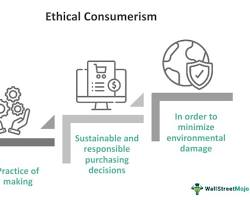
Every time we spend money, we are casting a vote for the kind of world we want to live in. When we choose to buy from a local artisan instead of a faceless corporation, or opt for a brand that uses sustainable packaging, we are driving systemic change.
The Multiplier Effect:
When consumers demand transparency, companies are forced to improve labor conditions and environmental standards. Our “powerful thing” here is not just buying, but choosing.
3. Radical Empathy and Civil Discourse
In an age of digital echo chambers, one of the most revolutionary things we can do is engage in civil discourse with those we disagree with.
Making a difference in society often starts with the refusal to dehumanize “the other.” By practicing active listening and radical empathy, we lower the collective “social blood pressure,” allowing for collaborative problem-solving instead of constant polarization.
4. Mentorship: The Transfer of Intellectual Wealth
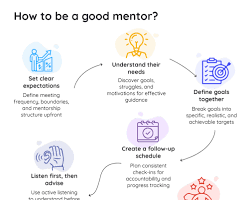
Knowledge is the only resource that doubles when you share it. One of the most lasting ways we impact society is by becoming a mentor.
When an experienced professional takes a first-generation student under their wing, they aren’t just helping one person; they are breaking cycles of poverty and lack of access. Mentorship is the “human infrastructure” that bridges the gap between potential and opportunity.
5. Environmental Stewardship as a Daily Habit
We often wait for international treaties to solve climate change, but society makes a difference through the aggregation of Individual Environmental Stewardship.
- Reducing single-use plastics.
- Practicing home composting.
- Transitioning to public transit or electric mobility.
- Conserving water at the source.
These actions, when practiced by millions, create a cultural shift that makes large-scale environmental policy possible.
6. Community Volunteering and “Sweat Equity”
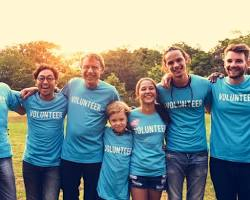
Financial aid is vital, but “Sweat Equity”—the physical act of showing up—is what builds the social fabric. Whether it’s cleaning up a local park, serving at a soup kitchen, or teaching at a community center, physical presence creates a sense of Social Cohesion.
“Volunteers do not necessarily have the time; they just have the heart.” — Elizabeth Andrew
7. Supporting the Arts and Cultural Preservation
A society without culture is a society without a soul. We make a difference by attending local theater, visiting museums, and supporting independent musicians.
By investing in the arts, we ensure that our stories, history, and collective identity are preserved for future generations. Culture is the mirror through which society reflects on its progress and its failures.
8. Digital Citizenship and Fact-Checking
In the 21st century, our “society” exists as much online as it does offline. Being a responsible digital citizen is now a core social duty.
When we refuse to share “rage-bait” or unverified news, and when we take the time to fact-check a viral post before hitting ‘Forward’, we are protecting the Collective Intelligence of our society. We are preventing the spread of misinformation that leads to real-world harm.
9. Advocating for Inclusive Spaces
True social progress is measured by how we treat our most vulnerable members. Making a difference means actively advocating for inclusivity.
This includes:
- Ensuring physical spaces are accessible to people with disabilities.
- Promoting gender diversity in leadership roles.
- Advocating for the rights of marginalized communities.
- Creating a “culture of belonging” where neurodiversity is celebrated.
10. Civic Participation Beyond the Ballot Box
Voting is the minimum requirement of a citizen, but true impact comes from Active Civic Participation. This means attending town hall meetings, participating in local government consultations, and holding elected officials accountable between elections.
A difference-making society is one where the citizens are not just spectators of their government, but active participants in the democratic process.
11. The Science of “Social Contagion”
One of the most powerful ways we make a difference is through the invisible force of Social Contagion. Behavioral science shows that when people observe a peer engaging in a pro-social behavior—like picking up litter or using a reusable coffee cup—they are significantly more likely to do the same.
- The Lead-by-Example Model: By being the first in your social circle to adopt an ethical habit, you aren’t just making one difference; you are lowering the barrier for dozens of others.
- Normalizing Compassion: When we speak up against a microaggression or offer help to a neighbor, we signal to society that these actions are the “new normal.”
12. Investing in “Social Capital”
Just as a business requires financial capital to grow, a society requires Social Capital—the networks of relationships among people who live and work in a particular society, enabling that society to function effectively.
We build social capital through:
- Trust-Building: Keeping our word in small community matters.
- Reciprocity: Helping others without an immediate expectation of return, knowing that a “pay-it-forward” culture protects everyone eventually.
- Shared Spaces: Participating in local libraries, parks, and community gardens. These “Third Places” (distinct from home and work) are the laboratories where democracy is practiced daily.
13. The Role of the “Quiet Advocate”
Not everyone is meant to stand on a podium with a megaphone. Some of the most powerful differences are made by the Quiet Advocates—the people who work behind the scenes to change internal policies at their jobs or schools.
Example: An employee who pushes for a more inclusive hiring policy or a teacher who integrates diverse histories into their curriculum is making a structural difference that will outlast their own tenure.
A Comparison: Passive vs. Active Social Impact
To truly understand how we make a difference, we must look at the shift from being a “consumer” of society to being a “contributor” to society.
| Feature | Passive Society Member | Active Difference-Maker |
| Sustainability | Recycles when it’s convenient. | Reduces waste at the source and advocates for local composting. |
| Information | Consumes news passively. | Fact-checks before sharing and supports independent journalism. |
| Community | Knows the neighbors’ names. | Organizes a neighborhood watch or a local tool-sharing library. |
| Finance | Donates once a year. | Practices micro-philanthropy and ethical investing. |
Moving deeper into our exploration of social impact, we must recognize that the “difference” we make is often a product of our consistency rather than our intensity. While a single act of kindness is beautiful, a society is transformed when that kindness becomes a systemic habit.
In this section, we expand on the deeper layers of how these ten pillars function in the real world, providing a roadmap for anyone looking to transition from a well-wisher to a true changemaker.
11. The Science of “Social Contagion”
One of the most powerful ways we make a difference is through the invisible force of Social Contagion. Behavioral science shows that when people observe a peer engaging in a pro-social behavior—like picking up litter or using a reusable coffee cup—they are significantly more likely to do the same.
- The Lead-by-Example Model: By being the first in your social circle to adopt an ethical habit, you aren’t just making one difference; you are lowering the barrier for dozens of others.
- Normalizing Compassion: When we speak up against a microaggression or offer help to a neighbor, we signal to society that these actions are the “new normal.”
12. Investing in “Social Capital”
Just as a business requires financial capital to grow, a society requires Social Capital—the networks of relationships among people who live and work in a particular society, enabling that society to function effectively.
We build social capital through:
- Trust-Building: Keeping our word in small community matters.
- Reciprocity: Helping others without an immediate expectation of return, knowing that a “pay-it-forward” culture protects everyone eventually.
- Shared Spaces: Participating in local libraries, parks, and community gardens. These “Third Places” (distinct from home and work) are the laboratories where democracy is practiced daily.
13. The Role of the “Quiet Advocate”
Not everyone is meant to stand on a podium with a megaphone. Some of the most powerful differences are made by the Quiet Advocates—the people who work behind the scenes to change internal policies at their jobs or schools.
Example: An employee who pushes for a more inclusive hiring policy or a teacher who integrates diverse histories into their curriculum is making a structural difference that will outlast their own tenure.
A Comparison: Passive vs. Active Social Impact
To truly understand how we make a difference, we must look at the shift from being a “consumer” of society to being a “contributor” to society.
| Feature | Passive Society Member | Active Difference-Maker |
| Sustainability | Recycles when it’s convenient. | Reduces waste at the source and advocates for local composting. |
| Information | Consumes news passively. | Fact-checks before sharing and supports independent journalism. |
| Community | Knows the neighbors’ names. | Organizes a neighborhood watch or a local tool-sharing library. |
| Finance | Donates once a year. | Practices micro-philanthropy and ethical investing. |
14. Bridging the Digital Divide
In our modern era, access to information is a human right. One powerful thing we do to make a difference is helping bridge the Digital Divide. This doesn’t always require donating laptops; it can be as simple as:
- Helping an elderly neighbor navigate online banking or government portals.
- Supporting community centers that provide free Wi-Fi and digital literacy classes.
- Advocating for municipal broadband to ensure that a child’s education isn’t limited by their zip code’s internet speed.
15. The “Legacy” mindset
Finally, making a difference in society requires a shift from “Quarterly Thinking” to “Legacy Thinking.” We often plant trees under whose shade we will never sit. Whether it’s mentoring a young professional or fighting for a long-term environmental policy, the most powerful social impacts are those that benefit people who haven’t even been born yet.
This is the ultimate expression of human maturity: the willingness to invest in a future we will not personally witness.
Conclusion: The “Compound Interest” of Social Good
The concept of Compound Interest is usually reserved for the world of finance, but it is perhaps the most accurate metaphor for how we change the world. In finance, compound interest is the result of reinvesting earnings so that they generate their own earnings. In society, the “interest” on a good deed is the inspiration it provides to others, which in turn generates new acts of service, creating an exponential curve of social progress.
The Exponential Growth of Kindness
When we perform one of the 10 powerful things mentioned in this blog—be it mentoring a student or opting for an ethical brand—we aren’t just adding a single unit of “good” to the world. We are triggering a sequence of events.
- The First Year: Your efforts might feel small. You’ve helped one person, or saved a few kilograms of plastic from the ocean. This is the “flat” part of the curve.
- The Tenth Year: The student you mentored is now mentoring five others. The ethical brand you supported has forced three major competitors to change their supply chains. The curve begins to tick upward.
- The Generation: The collective actions of millions of individuals have shifted the cultural “baseline.” What was once considered “radical” (like universal suffrage or environmental protection) becomes the standard expectation of society.
Moving from “Me” to “We”
The most significant barrier to making a difference is the feeling that our individual contribution is a drop in the ocean. But as the legendary Mother Teresa once said, “The ocean would be less because of that missing drop.”
Making a difference is an entrepreneurial endeavor. Just as an entrepreneur takes a risk on a vision that doesn’t yet exist, a socially conscious citizen takes a risk on the belief that their integrity matters. They understand that while they may not see the full “maturity” of their social investment, the investment itself is what gives society its value.
Your Call to Action: Start Your Investment Today
A better society is not a destination we reach; it is a way of traveling. It is built in the “boring” moments—in the grocery aisles, in the comments sections, and in the local committee meetings.
You don’t need a massive platform to be a changemaker. You only need the courage to be consistent.
- Pick one pillar: Don’t try to solve every social ill at once. Choose the one that resonates most with your skills (e.g., if you’re a designer, help a non-profit with their branding).
- Make it a habit: Move it from a “one-time task” to a “monthly ritual.”
- Invite others: The “compounding” happens faster when the network grows.
The architecture of a better world is already in your hands. Every small, powerful thing you do today is a brick in a structure that will house the dreams of the next generation.