
Beyond the Plate: 10 Powerful Reasons Why Vegetarianism is a Better, Healthier, and More Sustainable Lifestyle
In an era increasingly defined by conscious choices, the way we fuel our bodies has become more than a personal preference; it’s a statement about our health, our planet, and our values. Among the myriad dietary approaches, vegetarianism stands out not as a restrictive diet, but as a holistic lifestyle choice that offers a profound array of benefits. Far from being a niche trend, it represents a return to ancient dietary wisdom, now validated by cutting-edge science and urgent environmental imperatives.
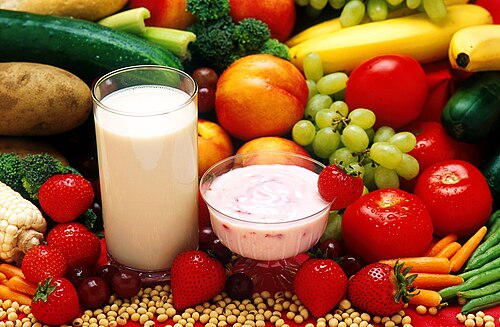
This blog delves deep into 10 powerful reasons why adopting a Vegetarianism is not just a good idea, but a superior choice for individual well-being and collective flourishing. From enhancing physical health and longevity to safeguarding our planet and fostering ethical compassion, vegetarianism offers a pathway to a more vibrant and responsible existence. It’s a journey that extends far beyond the plate, touching every aspect of our lives and the world we share.
1. Superior Cardiovascular Health: A Shield Against Heart Disease
One of the most compelling arguments for vegetarianism lies in its profound benefits for heart health. Cardiovascular disease remains the leading cause of death globally, but research consistently shows that vegetarians have a significantly lower risk of developing these conditions.
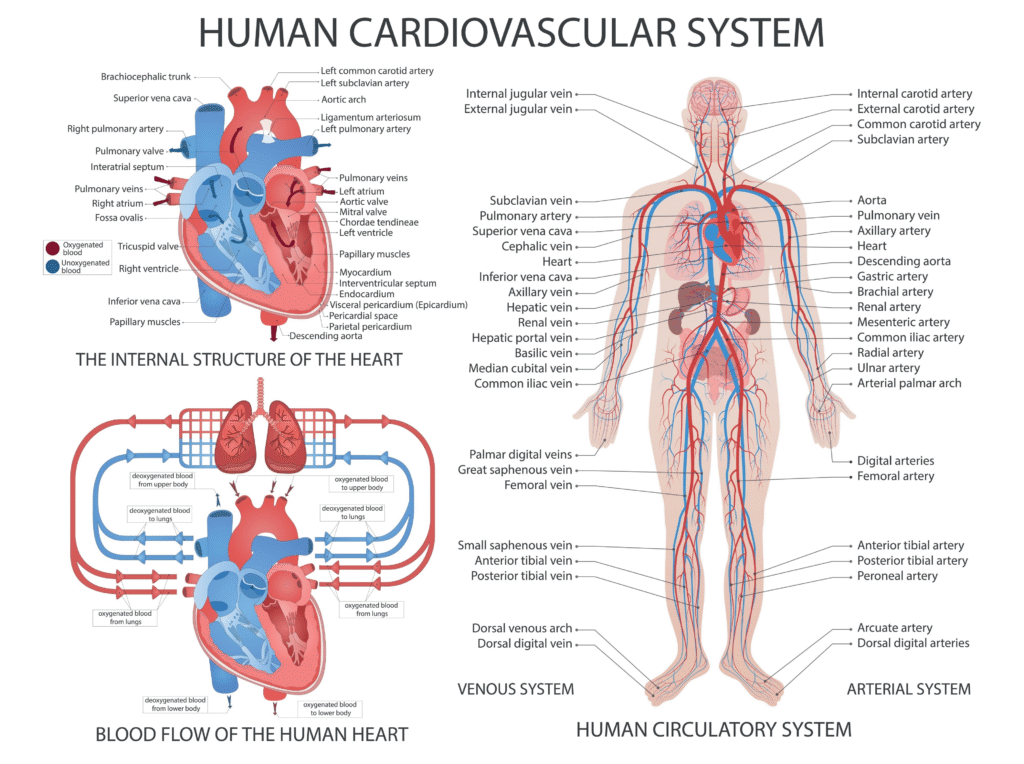
The Mechanism of Protection:
- Lower Saturated Fat and Cholesterol: Plant-based diets are inherently low in saturated fat and completely devoid of dietary cholesterol (which is found exclusively in animal products). High intake of saturated fat and cholesterol directly contributes to elevated LDL (“bad”) cholesterol levels, leading to plaque buildup in arteries (atherosclerosis).
- Rich in Fiber: Vegetarian diets are abundant in soluble fiber, found in fruits, vegetables, oats, and legumes. Soluble fiber acts like a sponge in the digestive tract, binding to cholesterol and preventing its absorption, thereby reducing overall blood cholesterol levels.
- Antioxidant Powerhouse: Plants are packed with antioxidants (vitamins C and E, carotenoids, flavonoids) that combat oxidative stress, a key factor in the development of heart disease. These compounds protect blood vessels from damage and reduce inflammation.
- Better Blood Pressure Control: Numerous studies link vegetarian diets to lower blood pressure. This is attributed to higher intake of potassium (from fruits and vegetables), lower sodium intake (less processed meat), and the beneficial effects of fiber and plant compounds on vascular function.
- Reduced Risk of Metabolic Syndrome: Vegetarian diets help prevent and manage components of metabolic syndrome, a cluster of conditions (high blood pressure, high blood sugar, excess body fat around the waist, and abnormal cholesterol levels) that increase the risk of heart disease, stroke, and type 2 diabetes.
By prioritizing whole, unprocessed plant foods, vegetarians naturally consume a diet that is cardioprotective, effectively building a shield against the pervasive threat of heart disease.
2. Effective Weight Management: A Sustainable Path to a Healthy BMI
Maintaining a healthy weight is a cornerstone of overall health, and vegetarianism offers a powerful, sustainable strategy for achieving this. Studies consistently show that vegetarians, on average, have lower Body Mass Indexes (BMIs) and lower rates of obesity compared to meat-eaters.
Why Vegetarianism Aids Weight Loss and Maintenance:
- High Fiber Content: As mentioned, plant foods are rich in dietary fiber. Fiber adds bulk to meals without adding many calories, promoting satiety and making you feel full longer. This naturally reduces overall calorie intake and helps prevent overeating.
- Lower Caloric Density: Most plant foods, especially fruits, vegetables, and whole grains, have a lower caloric density compared to many animal products (especially processed meats and fatty cuts). This means you can eat larger portions and feel satisfied with fewer calories.
- Reduced Intake of Processed Foods: While not all vegetarian diets are healthy (e.g., diets high in refined grains and sugary drinks), a well-planned vegetarian diet naturally minimizes the intake of highly processed foods, which are often high in unhealthy fats, sugars, and empty calories.
- Better Gut Microbiome: Research suggests that vegetarian diets foster a healthier and more diverse gut microbiome. A balanced gut flora is increasingly linked to better weight management and metabolic health.
- Sustainable Eating Habits: Vegetarianism encourages a focus on whole, natural foods. This fosters mindful eating and a healthier relationship with food, leading to sustainable weight management rather than restrictive, temporary diets.
For individuals struggling with weight or aiming to maintain a healthy BMI, a vegetarian lifestyle provides an inherently advantageous framework that supports healthy eating habits and long-term success.
3. Reduced Risk of Type 2 Diabetes: Stabilizing Blood Sugar Naturally
The global epidemic of type 2 diabetes is a major public health concern. Fortunately, a vegetarian diet has been shown to be a potent tool in both preventing and managing this condition.
How Vegetarianism Fights Diabetes:
- Improved Insulin Sensitivity: Plant-based diets, particularly those rich in whole grains, legumes, and nuts, are associated with improved insulin sensitivity. This means the body’s cells respond more effectively to insulin, which is crucial for regulating blood sugar.
- Lower Glycemic Index: Many plant foods have a lower glycemic index (GI), meaning they cause a slower, more gradual rise in blood sugar compared to high-GI foods common in many Western diets (e.g., refined carbohydrates, sugary drinks).
- Fiber’s Role in Blood Sugar Control: Dietary fiber slows down the absorption of sugar into the bloodstream, preventing sharp spikes and crashes. This steady release of glucose is ideal for managing blood sugar levels.
- Lower Body Fat and Inflammation: As discussed, vegetarian diets often lead to healthier body weight. Excess body fat, particularly visceral fat, is a significant risk factor for insulin resistance and type 2 diabetes. Plant-based diets also reduce chronic inflammation, another factor implicated in diabetes development.
- Absence of Heme Iron and Processed Meats: Some research suggests a link between high intake of heme iron (found only in animal flesh) and processed meats with an increased risk of type 2 diabetes, though more research is needed to fully understand the mechanisms. Avoiding these foods may offer additional protective benefits.
By naturally promoting stable blood sugar, improving insulin function, and supporting a healthy weight, vegetarianism offers a powerful defense against type 2 diabetes.
4. Lower Cancer Risk: The Power of Plant-Based Protection
The connection between diet and cancer risk is increasingly clear, and vegetarian diets offer significant protective advantages. While no diet can guarantee cancer prevention, numerous studies indicate that vegetarians have a lower incidence of various cancers.
Anti-Cancer Mechanisms of a Vegetarian Diet:
- High Intake of Phytochemicals: Plants are rich in thousands of bioactive compounds called phytochemicals (e.g., sulforaphane in broccoli, lycopene in tomatoes, resveratrol in grapes). Many of these have powerful antioxidant, anti-inflammatory, and anti-cancer properties, helping to inhibit tumor growth and protect DNA from damage.
- Fiber’s Role in Gut Health: High fiber intake is particularly protective against colorectal cancer. Fiber helps to move waste through the digestive system more quickly, reducing exposure to potential carcinogens. It also promotes a healthy gut microbiome, which plays a role in immune function and cancer prevention.
- Lower Intake of Processed Meats: The World Health Organization (WHO) classifies processed meats (bacon, sausages, deli meats) as Group 1 carcinogens (meaning they cause cancer) and red meat as a Group 2A carcinogen (meaning it probably causes cancer). Eliminating these from the diet significantly reduces exposure to known carcinogens.
- Reduced Inflammation and Oxidative Stress: Chronic inflammation and oxidative stress are key drivers of cancer development. The abundance of antioxidants and anti-inflammatory compounds in plant foods helps to mitigate these processes.
- Healthier Weight: Obesity is a known risk factor for at least 13 types of cancer, including breast, colon, and prostate cancer. As vegetarian diets aid in weight management, they indirectly reduce cancer risk.
- Hormonal Balance: Some studies suggest that vegetarian diets may lead to more favorable hormone profiles, potentially reducing the risk of hormone-sensitive cancers like breast and prostate cancer.
By embracing a rich array of plant foods and avoiding known dietary carcinogens, vegetarians empower their bodies with a robust defense system against cancer.
5. Improved Digestive Health: A Happy Gut, A Healthy You
A healthy digestive system is fundamental to overall well-being, influencing everything from nutrient absorption to immune function and even mood. Vegetarianism are exceptionally beneficial for gut health.
The Gut-Friendly Benefits:
- Abundance of Fiber: This is perhaps the most significant benefit. Both soluble and insoluble fiber are crucial for digestive health:
- Soluble fiber (found in oats, beans, fruits) feeds beneficial gut bacteria, acting as a prebiotic.
- Insoluble fiber (found in whole grains, vegetables) adds bulk to stool, promoting regular bowel movements and preventing constipation, hemorrhoids, and diverticulosis.
- Diverse Gut Microbiome: Vegetarian diets are associated with a more diverse and beneficial gut microbiome compared to omnivorous diets. A diverse microbiome is linked to better digestion, stronger immunity, and even improved mental health.
- Reduced Risk of Constipation and Diverticular Disease: The high fiber content of plant-based diets naturally prevents constipation, a common ailment in Western societies. It also significantly lowers the risk of developing diverticular disease, a condition where small pouches form in the colon, which can become inflamed.
- Lower Inflammation: Plant foods, with their array of antioxidants and anti-inflammatory compounds, help reduce inflammation throughout the body, including in the digestive tract. This can be particularly beneficial for individuals with inflammatory bowel conditions.
- Fewer Harmful Bacteria: Some studies suggest that diets high in animal products can promote the growth of certain types of gut bacteria that produce harmful byproducts. Vegetarian diets tend to favor bacteria that produce beneficial short-chain fatty acids.
By providing a constant supply of fiber and prebiotics, a vegetarian lifestyle cultivates a thriving internal ecosystem, ensuring a happy and efficient digestive system.
6. Increased Longevity: Living Longer, Living Better
The ultimate measure of a healthy lifestyle is often its impact on lifespan and “healthspan” (the number of years lived in good health). Emerging research strongly suggests that vegetarianism is linked to increased longevity.
The Longevity Advantage:
- Lower Rates of Chronic Diseases: By significantly reducing the risk of heart disease, type 2 diabetes, and certain cancers (as detailed above), vegetarianism removes many of the primary drivers of premature mortality. People live longer because they are less likely to succumb to these common illnesses.
- Reduced Oxidative Stress and Inflammation: Chronic low-grade inflammation and oxidative stress are hallmarks of aging and are implicated in numerous age-related diseases. The antioxidant and anti-inflammatory power of plant-based diets helps to slow these processes.
- Healthier Telomeres: Telomeres are protective caps on the ends of our chromosomes that shorten with age and stress. Longer telomeres are associated with increased longevity. Some research suggests that plant-rich diets may help maintain telomere length.
- Lower Body Weight: As discussed, vegetarians typically have a healthier BMI. Obesity is linked to accelerated aging and increased risk of various age-related conditions.
- Overall Healthier Lifestyle Tendencies: People who choose vegetarianism often adopt other healthy lifestyle habits, such as regular exercise, abstaining from smoking, and moderate alcohol consumption. While not solely attributable to diet, these complementary choices contribute to a longer, healthier life.
The combination of disease prevention, reduced biological aging markers, and a generally healthier lifestyle makes vegetarianism a powerful choice for those aspiring to live longer, more vibrant lives.
7. Environmental Sustainability: A Diet for a Healthier Planet
Beyond individual health, one of the most compelling and urgent reasons to adopt vegetarianism is its profound positive impact on the environment. The way we produce and consume food has massive implications for our planet.
The Environmental Footprint of Meat vs. Plants:
- Reduced Greenhouse Gas Emissions: Livestock farming is a major contributor to greenhouse gas emissions (methane from cattle, nitrous oxide from manure) – more than all global transportation combined. Shifting to plant-based diets can significantly reduce an individual’s carbon footprint.
- Less Land Use: Producing meat, especially beef, is incredibly land-intensive. Large areas of forests are cleared for grazing or to grow feed crops. Vegetarian diets require significantly less land, freeing up space for reforestation and biodiversity.
- Water Conservation: Meat production is extremely water-intensive. Producing one pound of beef, for example, can require thousands of gallons of water. Plant-based foods generally have a much smaller water footprint.
- Reduced Water Pollution: Runoff from factory farms (animal waste, antibiotics, hormones) can pollute waterways, creating “dead zones” in oceans and contaminating drinking water. Vegetarian diets bypass this major source of pollution.
- Combating Deforestation and Biodiversity Loss: The expansion of agriculture for livestock and feed crops is a primary driver of deforestation, particularly in critical areas like the Amazon rainforest, leading to devastating biodiversity loss.
- Reduced Ocean Depletion: While not directly related to land animals, vegetarianism supports the health of ocean ecosystems by reducing demand for fish, combating overfishing, and protecting marine biodiversity.
Choosing vegetarianism is a direct and powerful way for individuals to reduce their ecological footprint and contribute meaningfully to the fight against climate change and environmental degradation. It’s a diet that truly feeds the future.
8. Animal Welfare and Ethical Considerations: A Compassionate Choice
For many, the ethical treatment of animals is the primary motivator for adopting a vegetarian lifestyle. The reality of modern industrial animal agriculture often involves practices that are deeply concerning from an animal welfare perspective.
Vegetarianism The Ethical Imperative:
- Avoiding Factory Farming Cruelty: The vast majority of meat, dairy, and eggs produced today come from factory farms, where animals are often confined in cramped, unsanitary conditions, subjected to painful procedures without anesthesia, and denied their natural behaviors.
- Reducing Suffering: By choosing not to consume animal flesh, vegetarians directly opt out of a system that causes immense suffering to billions of sentient beings each year.
- Recognition of Sentience: Many vegetarians believe that animals are sentient beings capable of experiencing pain, fear, and pleasure, and therefore deserve moral consideration. Consuming animal products for taste or convenience is seen as an unnecessary imposition of suffering.
- Promoting Humane Treatment: A collective shift towards vegetarianism sends a strong message to the food industry, encouraging more humane and sustainable farming practices for the animals that are still raised.
- Challenging Speciesism: Vegetarianism often stems from a philosophical stance that challenges speciesism—the idea that humans are inherently superior to other species and therefore have the right to exploit them.
A vegetarian diet aligns personal consumption with a deep sense of compassion and respect for all living creatures, making it a profoundly ethical choice for a more humane world.
9. Economic Benefits: Saving Money, Eating Well
While there’s a misconception that healthy eating is expensive, a well-planned vegetarian diet can actually be incredibly cost-effective. By focusing on whole, unprocessed plant foods, individuals can often save money compared to a diet rich in meat and processed animal products.
How Vegetarianism Can Be Budget-Friendly:
- Cheaper Staples: The core ingredients of a vegetarian diet—beans, lentils, rice, pasta, whole grains, seasonal vegetables, and fruits—are generally much cheaper per serving than meat, poultry, and fish.
- Reduced Expense of “Center Plate” Protein: Meat is often the most expensive component of a meal. Replacing it with plant-based protein sources significantly reduces grocery bills.
- Bulk Buying: Many vegetarian staples (like dried beans, lentils, rice, oats) can be bought in bulk at a much lower cost per unit, offering substantial savings.
- Less Reliance on Processed Foods: A truly healthy vegetarian diet minimizes reliance on expensive processed vegetarian alternatives (though these can be convenient). Focusing on cooking from scratch with whole ingredients is both healthier and cheaper.
- Fewer Health Costs: While harder to quantify directly, the long-term health benefits of vegetarianism (reduced risk of chronic diseases) can translate into lower healthcare costs over a lifetime, including fewer doctor visits, medications, and hospitalizations.
For those looking to eat well without breaking the bank, vegetarianism offers an accessible and economically smart path to a nutritious and satisfying diet.
10. Culinary Exploration and Creativity: A World of Flavors
Far from being restrictive, adopting vegetarianism often opens up a vibrant world of culinary exploration and creativity. It encourages individuals to experiment with new ingredients, cuisines, and cooking techniques they might never have considered before.
Expanding Your Culinary Horizons:
- Discovering New Ingredients: Vegetarians often explore a wider variety of vegetables, grains (quinoa, farro, millet), legumes (different types of beans and lentils), nuts, and seeds. This expands the nutrient profile of their diet and introduces exciting textures and flavors.
- Exploring Global Cuisines: Many traditional cuisines around the world are inherently vegetarian-friendly (e.g., Indian, Mediterranean, Ethiopian, Mexican). Embracing vegetarianism is an invitation to explore these rich culinary traditions.
- Enhanced Cooking Skills: Without relying on meat as the default “centerpiece,” vegetarians often become more adept at flavoring dishes with herbs, spices, and innovative cooking methods to create satisfying and complex meals.
- Focus on Freshness and Seasonality: A plant-centric diet naturally encourages a greater appreciation for fresh, seasonal produce, leading to more flavorful and nutrient-dense meals.
- Creative Meal Planning: It challenges individuals to think beyond conventional meal structures and develop imaginative plant-based dishes that are both delicious and nutritious.
Embracing vegetarianism is not about giving up; it’s about gaining a richer, more diverse, and more exciting experience of food, turning every meal into an opportunity for culinary adventure.
Conclusion: Vegetarianism as a Catalyst for Global and Personal Transformation
The transition to vegetarianism is far more than a simple adjustment to a grocery list; it is a profound realignment of one’s relationship with the world. When we choose to leave animal products off our plates, we aren’t just engaging in a dietary trend—we are participating in a quiet, daily revolution that addresses some of the most pressing challenges of the 21st century.
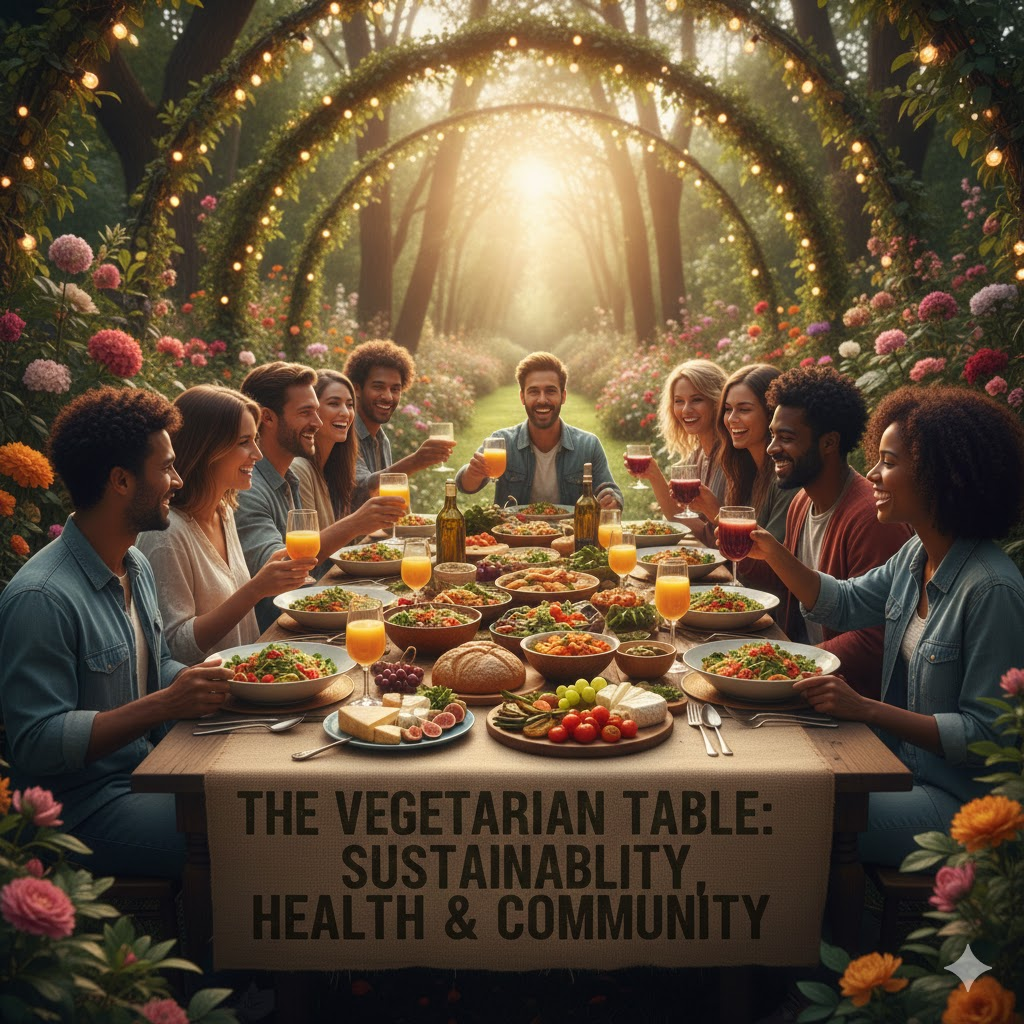
If you are standing on the threshold of this change, remember that vegetarianism is not an “all-or-nothing” game of perfection. It is a journey of discovery. Whether you are motivated by the promise of more energy and a clearer complexion, a desire to live longer, or a commitment to animal welfare, the benefits are cumulative. You don’t have to overhaul your entire life overnight; start by mastering a few plant-based versions of your favorite comfort foods or exploring the rich, naturally vegetarian traditions of global cuisines
The Convergence of Health and Ethics
For many, the journey begins with the self—a desire to lower cholesterol, manage weight, or increase energy levels. Science has matured to a point where the evidence is undeniable: a well-planned vegetarian diet is not just “adequate,” but often superior in preventing the chronic “lifestyle diseases” that plague modern society.
However, the true power of vegetarianism lies in its intersectionality. It is one of the few personal choices that simultaneously heals the body and the biosphere. By reducing the demand for industrial livestock, every vegetarian becomes an active participant in:
- Climate Mitigation: Drastically lowering methane and CO2 outputs.
- Resource Management: Conserving thousands of gallons of water and acres of land.
- Moral Consistency: Aligning one’s daily actions with the universal values of compassion and non-violence.
A Future-Proof Lifestyle
As the global population continues to climb toward 10 billion, our current modes of food production are reaching a breaking point. Vegetarianism offers a scalable, efficient, and scientifically backed solution to global food security. It is a “future-proof” lifestyle because it recognizes that the Earth’s resources are finite and that our survival depends on moving higher up the food chain—consuming the plants directly rather than cycling them through livestock at a 90% energy loss.
The Compound Effect of Your Choice
Much like the “social good” we discussed earlier, the benefits of vegetarianism function through compound interest.
- Direct Impact: Your personal health improves, and your carbon footprint shrinks instantly.
- Market Influence: Your spending habits signal to corporations that sustainable, plant-based innovation is profitable, leading to more accessible options for everyone.
- Cultural Shift: Your example normalizes a lifestyle of mindfulness, making it easier for the next person to make a compassionate choice.
Final Thought: The Power of the Plate
The most powerful tool for change isn’t found in a laboratory or a legislative hall; it is found in your kitchen. Every meal is a decision. By choosing vegetarianism, you are choosing a life of vitality, a planet of biodiversity, and a legacy of kindness. It is a journey that begins with a single bite but ends with a world transformed.