
Importance of Dgital Marketing in 2026
Digital marketing means advertising and selling products or services through digital platforms.
1. What is Digital Marketing?
Digital Marketing is the process of promoting products, services, or brands using the internet and digital technologies such as websites, social media, search engines, email, and mobile apps. It helps businesses reach customers online where people spend most of their time today.
In simple words, digital marketing means advertising and selling products or services through digital platforms.
Example:
When a company shows ads on Facebook, Instagram, or appears on Google search results, it is using digital marketing.
🌐 Importance of Digital Marketing
Digital marketing has become very important for businesses because most people use the internet daily.
Key Importance:
- Global Reach
Businesses can reach customers anywhere in the world. - Cost Effective
Online marketing is cheaper than traditional marketing like TV or newspapers. - Targeted Audience
Businesses can target specific people based on age, location, interests, etc. - Measurable Results
Companies can track performance using tools like Google Analytics. - Better Customer Interaction
Customers can communicate directly with brands through social media.
📊 Types of Digital Marketing
1. Search Engine Optimization (SEO)
Search Engine Optimization is the process of improving a website so it ranks higher on search engines like Google.
Example:
If someone searches “Best personal chef service”, SEO helps your website appear at the top.
Types of SEO
- On-page SEO – optimizing content, keywords, headings
- Off-page SEO – backlinks and promotions on other websites
- Technical SEO – improving website speed and structure
2. Social Media Marketing (SMM)
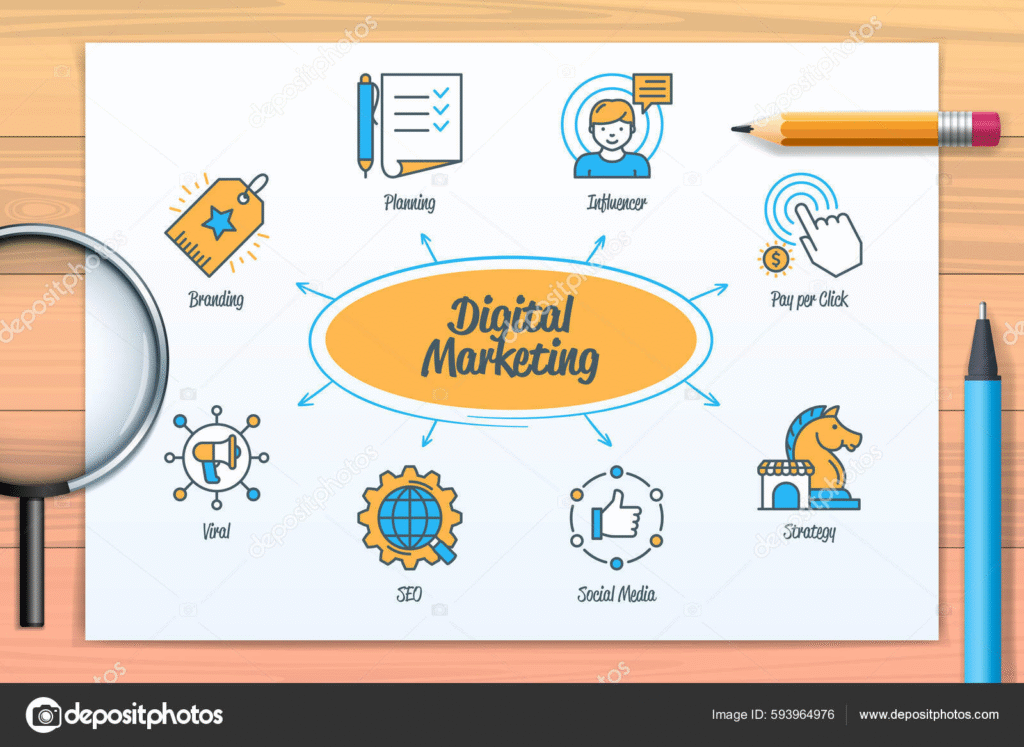
Social Media Marketing is the promotion of products or services using social media platforms.
Popular platforms include:
- YouTube
Businesses share posts, videos, and ads to attract customers.
3. Content Marketing
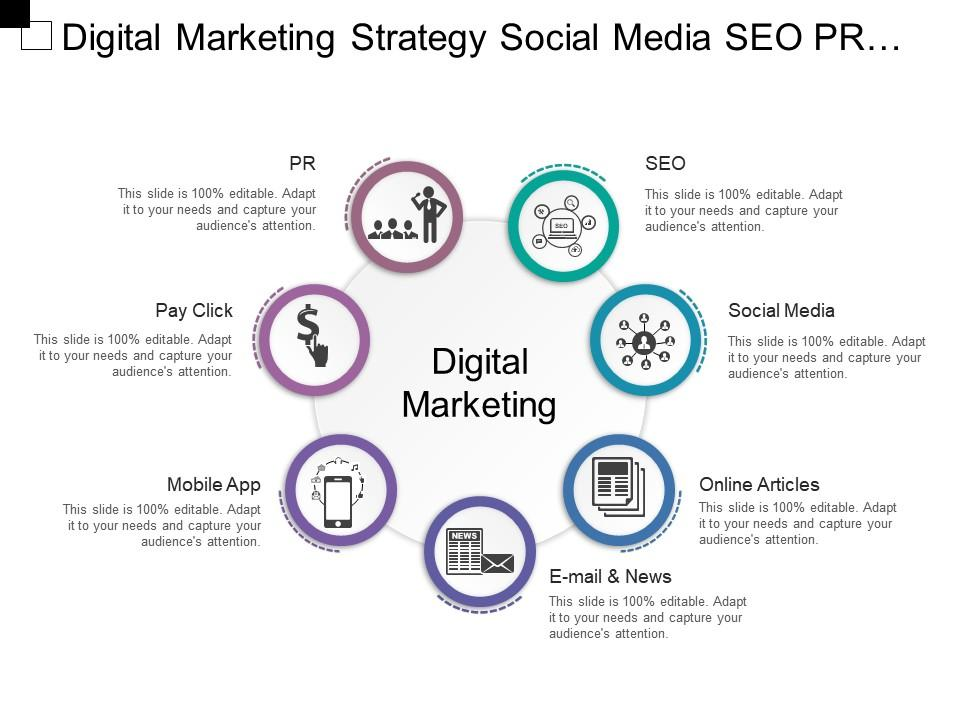
Content Marketing focuses on creating valuable content to attract and engage audiences.
Examples:
- Blog posts
- Videos
- Infographics
- E-books
Good content helps build trust with customers.
4. Email Marketing
Email Marketing is sending promotional messages to customers through email.
Example:
- Product offers
- Newsletters
- Discounts
It helps businesses maintain relationships with customers.
5. Pay-Per-Click Advertising (PPC)
Pay-Per-Click Advertising is a type of online advertising where businesses pay each time someone clicks their ad.
Example platform:
- Google Ads
6. Affiliate Marketing
Affiliate Marketing is when other people promote a company’s products and earn a commission for each sale.
Example:
Bloggers promoting products through referral links.
7. Influencer Marketing
Influencer Marketing involves promoting products through popular social media personalities.
For example, a chef influencer promoting a cooking brand.
🔧 Tools Used in Digital Marketing
Some popular tools include:
- Google Analytics – website traffic analysis
- Google Search Console – SEO performance tracking
- Canva – graphic design
- SEMrush – keyword research and SEO analysis
These tools help marketers analyze and improve campaigns.
📈 Benefits of Digital Marketing
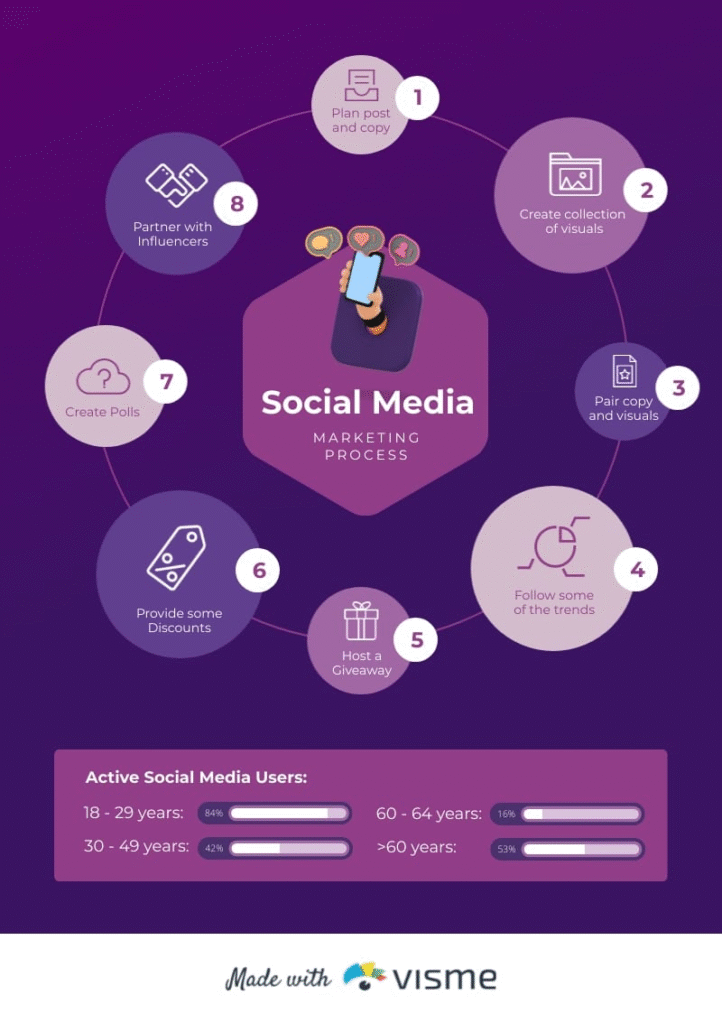
- Increased brand awareness
- Higher customer engagement
- Improved conversion rates
- Better return on investment (ROI)
- Real-time customer feedback
🧑💻 Career Opportunities in Digital Marketing
Digital marketing offers many career options, such as:
- SEO Specialist
- Social Media Manager
- Content Writer
- PPC Expert
- Email Marketing Manager
- Digital Marketing Manager
Many students (including BCA students) learn digital marketing because it provides good job opportunities and freelancing options.
🚀 Future of Digital Marketing
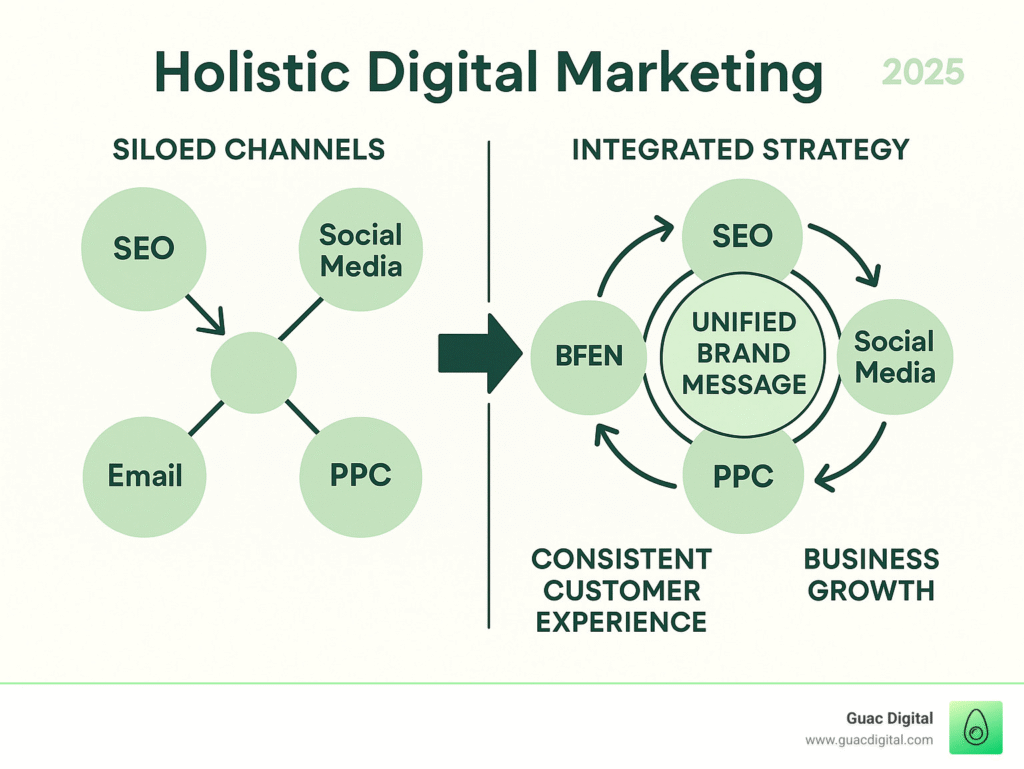
The future of digital marketing is growing rapidly due to:
- Artificial Intelligence
- Voice search
- Video marketing
- Personalization
- Data analytics
Platforms like YouTube, Instagram, and TikTok are making video marketing very powerful.
Businesses that use digital marketing effectively can grow faster and reach more customers.
✅ Conclusion
Digital marketing has become an essential strategy for modern businesses. It allows companies to reach their target audience through various online platforms, increase brand awareness, and generate more sales. With the continuous growth of technology and internet usage, digital marketing will remain a crucial part of business success in the future.
Introduction to Digital Marketing
Digital Marketing is the promotion of products, services, or brands using digital technologies and the internet. It involves using online platforms such as websites, social media, search engines, emails, and mobile applications to reach potential customers. In today’s modern world, digital marketing has become one of the most effective ways for businesses to communicate with their audience.
Earlier, companies depended mainly on traditional marketing methods like television advertisements, newspapers, radio, billboards, and magazines. While these methods are still used today, digital marketing has become more popular because it is cost-effective, measurable, and capable of reaching a global audience.
Digital marketing allows businesses to target the right audience at the right time with the right message. For example, a company can promote its product through social media platforms like Facebook, Instagram, or video platforms like YouTube. Businesses can also appear in search results on Google when customers search for specific products or services.
With the increasing use of smartphones and internet services, digital marketing has become an essential part of modern business strategies. Small businesses, large companies, and even individuals use digital marketing to promote their brands and services.
Importance of Digital Marketing
Digital marketing plays a very important role in the growth and success of businesses. It helps companies connect with customers, build relationships, and increase sales.
1. Global Reach
One of the biggest advantages of digital marketing is that businesses can reach customers worldwide. Unlike traditional marketing, which is often limited to a specific location, digital marketing allows businesses to promote their products to people across different countries.
2. Cost-Effective Marketing
Digital marketing is more affordable compared to traditional advertising methods. Small businesses can promote their products through social media or search engines without spending large amounts of money.
3. Targeted Audience
Digital marketing allows businesses to target specific groups of people based on age, location, gender, interests, and online behavior. This helps businesses show their advertisements to people who are more likely to buy their products.
4. Measurable Results
One of the most useful features of digital marketing is that businesses can track their performance. Tools like Google Analytics allow companies to measure website traffic, user behavior, and campaign success.
5. Better Customer Interaction
Digital marketing makes it easier for businesses to communicate with customers through comments, messages, reviews, and feedback. This helps companies understand customer needs and improve their services.
Components of Digital Marketing
Digital marketing consists of several components that help businesses promote their products online.
Search Engine Optimization (SEO)
Search Engine Optimization is the process of improving a website so that it appears higher in search engine results pages (SERPs). When people search for information on Google, SEO helps websites rank higher and attract more visitors.
SEO includes optimizing website content, keywords, images, and website structure to make it more search-engine friendly.
Types of SEO
- On-Page SEO
This involves optimizing elements within a website, such as headings, keywords, meta descriptions, images, and internal links. - Off-Page SEO
This focuses on activities outside the website, such as building backlinks, social media promotion, and guest blogging. - Technical SEO
Technical SEO focuses on improving website performance, speed, mobile friendliness, and security.
SEO is important because higher rankings on search engines lead to more website traffic and increased visibility.
Social Media Marketing
Social Media Marketing involves promoting products and services through social media platforms. Social media is widely used by people all over the world, making it a powerful marketing tool.
Popular social media platforms include:
- YouTube
Businesses use social media to share posts, images, videos, and advertisements to attract and engage customers.
Benefits of social media marketing include increased brand awareness, improved customer interaction, and higher website traffic.
Content Marketing
Content Marketing is the strategy of creating valuable and informative content to attract and engage audiences.
Content marketing focuses on providing useful information rather than directly promoting products. When customers find helpful content, they are more likely to trust the brand.
Examples of content marketing include:
- Blog posts
- Articles
- Videos
- Infographics
- Podcasts
- E-books
Good content marketing helps businesses build credibility and long-term relationships with customers.
Email Marketing
Email Marketing is one of the oldest and most effective forms of digital marketing. It involves sending promotional messages to customers through email.
Companies use email marketing to share:
- Product updates
- Special offers
- Newsletters
- Event invitations
Email marketing helps businesses maintain communication with customers and encourage repeat purchases.
Pay-Per-Click Advertising (PPC)
Pay-Per-Click Advertising is a form of online advertising where businesses pay each time a user clicks on their advertisement.
One of the most popular platforms for PPC advertising is Google Ads.
With PPC, businesses can place their ads at the top of search engine results pages. This helps them reach potential customers quickly.
Benefits of PPC include:
- Instant visibility
- Targeted advertising
- Measurable results
Affiliate Marketing
Affiliate Marketing is a marketing strategy in which individuals promote products or services of a company and earn a commission for each sale made through their referral.
Affiliates promote products through blogs, websites, or social media platforms.
This type of marketing is beneficial for both businesses and affiliates because it increases product visibility and sales.
Influencer Marketing
Influencer Marketing involves promoting products through individuals who have a large following on social media.
Influencers can be bloggers, YouTubers, celebrities, or social media personalities. Their followers trust their recommendations, making influencer marketing a powerful promotional strategy.
Digital Marketing Tools
Digital marketers use various tools to analyze performance and improve campaigns.
Google Analytics
Google Analytics helps marketers track website traffic, visitor behavior, and campaign performance.
Google Search Console
Google Search Console helps website owners monitor their site’s presence in search results and fix technical SEO issues.
Canva
Canva is a popular design tool used for creating social media posts, banners, and marketing graphics.
SEMrush
SEMrush is a powerful SEO tool used for keyword research, competitor analysis, and website optimization.
These tools help businesses analyze their marketing strategies and improve their results.
Advantages of Digital Marketing
Digital marketing offers many advantages to businesses.
Increased Brand Awareness
Businesses can reach a larger audience and increase brand recognition through online platforms.
Better Customer Engagement
Customers can interact with brands through comments, likes, and messages on social media.
Higher Conversion Rates
Digital marketing helps convert website visitors into customers through targeted strategies.
Real-Time Results
Businesses can monitor campaign performance instantly and make improvements when necessary.
Improved Customer Experience
Digital marketing helps businesses understand customer behavior and provide better services.
Challenges of Digital Marketing
Although digital marketing offers many benefits, it also has some challenges.
High Competition
Many businesses are competing online, making it difficult to stand out.
Constant Technology Changes
Digital marketing trends change frequently, so marketers must stay updated with new tools and strategies.
Privacy and Security Issues
Customer data protection and privacy concerns are becoming increasingly important in digital marketing.
Digital Marketing Strategies
Successful digital marketing requires a well-planned strategy.
Search Engine Optimization Strategy
Businesses should focus on using relevant keywords, creating high-quality content, and improving website performance.
Social Media Strategy
Companies should regularly post engaging content and interact with their audience.
Content Strategy
Creating valuable and informative content helps attract and retain customers.
Paid Advertising Strategy
Businesses can use paid ads to reach targeted audiences and increase website traffic.
Career Opportunities
it offers many career opportunities for students and professionals.
Some popular career roles include:
- SEO Specialist
- Social Media Manager
- Content Writer
- PPC Expert
- Email Marketing Specialist
- Digital Marketing Manager
Students studying fields such as computer applications or marketing often learn digital marketing to improve their career prospects.
Future of Digital Marketing
The future of digital marketing is very promising because technology is constantly evolving.
Several trends are shaping the future of digital marketing:
Artificial Intelligence
AI helps marketers analyze large amounts of data and automate marketing campaigns.
Voice Search
Voice assistants are becoming more popular, and businesses need to optimize their content for voice searches.
Video Marketing
Video content on platforms like YouTube and Instagram is becoming increasingly popular.
Personalization
Businesses are focusing on providing personalized experiences to customers based on their preferences and behavior.
Conclusion
Digital marketing has transformed the way businesses promote their products and services. It allows companies to connect with customers through online platforms and build strong relationships with their audience. With the growing use of the internet and digital technologies, digital marketing has become an essential part of modern business strategies.
By using techniques such as Search Engine Optimization, Content Marketing, Social Media Marketing, and Email Marketing, businesses can increase their visibility, attract customers, and achieve long-term success.
As technology continues to evolve, it will keep growing and creating new opportunities for businesses and professionals. Learning digital marketing skills will help individuals build successful careers and help businesses thrive in the digital age.
Role of Digital Marketing in Business Growth
Digital Marketing plays a major role in the growth and success of modern businesses. In today’s digital era, most customers search for products and services online before making a purchase decision. Because of this behavior, companies must maintain a strong online presence.
Businesses use different digital platforms such as websites, social media, and search engines to promote their products. Platforms like Google help customers find businesses quickly through search results.
For example, when a person searches for “best chef service near me,” search engines show websites related to that service. If a business has optimized its website properly, it will appear higher in search results and attract more customers.
Digital marketing helps businesses grow in the following ways:
- Increasing website traffic
- Building brand awareness
- Generating leads
- Improving customer engagement
- Increasing sales and revenue
Small businesses especially benefit from digital marketing because they can compete with large companies by using effective online strategies.
Digital Marketing Channels
it uses multiple channels to reach potential customers. Each channel has its own benefits and marketing techniques.
Website Marketing
A website is one of the most important parts of digital marketing. It acts as the online identity of a business.
A well-designed website should include:
- Clear information about products or services
- Attractive design
- Fast loading speed
- Mobile-friendly interface
- Contact information
A website also helps businesses build credibility and trust among customers.
Mobile Marketing
Mobile marketing is a form of digital marketing that targets users on mobile devices such as smartphones and tablets.
Today, most internet users access websites through mobile devices. Therefore, businesses must optimize their websites for mobile users.
Mobile marketing methods include:
- Mobile-friendly websites
- SMS marketing
- Mobile applications
- Push notifications
Mobile marketing allows businesses to reach customers anytime and anywhere.
Video Marketing
Video marketing has become one of the most powerful forms of digital marketing. Videos help businesses explain products, services, or ideas in a more engaging way.
Platforms like YouTube, Instagram, and Facebook allow businesses to share video content with large audiences.
Types of video marketing content include:
- Product demonstrations
- Tutorials
- Customer testimonials
- Live streaming
- Promotional videos
Videos are highly effective because they attract attention and are easy to understand.
Digital Marketing vs Traditional Marketing
Traditional marketing refers to advertising methods used before the internet became popular.
Examples of traditional marketing include:
- Television advertisements
- Radio advertisements
- Newspapers
- Magazines
- Billboards
Digital marketing, on the other hand, uses online platforms to promote products and services.
| Feature | Traditional Marketing | Digital Marketing |
|---|---|---|
| Cost | Expensive | Affordable |
| Audience Reach | Limited | Global |
| Interaction | One-way communication | Two-way communication |
| Performance Tracking | Difficult | Easy with tools |
| Flexibility | Less flexible | Highly flexible |
Because of these advantages, many businesses are shifting from traditional marketing to digital marketing.
Digital Marketing Process
it is usually follows a structured process to achieve marketing goals.
1. Market Research
The first step is understanding the target audience. Businesses must analyze customer behavior, interests, and needs.
2. Setting Marketing Goals
Companies set clear objectives such as:
- Increasing website traffic
- Generating leads
- Increasing sales
3. Strategy Development
In this stage, businesses decide which marketing channels they will use.
For example:
- SEO
- Social media marketing
- Email marketing
- Paid advertising
4. Implementation
The marketing strategies are then implemented through campaigns and content creation.
5. Performance Analysis
Marketers analyze campaign results using tools like Google Analytics to measure performance and improve future strategies.
Digital Marketing Metrics
its performance is measured using various metrics.
Website Traffic
Website traffic refers to the number of visitors coming to a website.
Conversion Rate
Conversion rate measures how many visitors take a desired action, such as purchasing a product or filling out a form.
Click-Through Rate (CTR)
CTR measures the percentage of people who click on an advertisement or link.
Bounce Rate
Bounce rate shows how many visitors leave a website without interacting with it.
Analyzing these metrics helps marketers understand the effectiveness of their campaigns.
Small Businesses
Digital marketing is especially beneficial for small businesses because it allows them to promote their products without spending large amounts of money.
Small businesses can use digital marketing to:
- Create social media pages
- Build a website
- Run online advertisements
- Communicate with customers
For example, a small chef service business can promote its services through social media posts, food videos, and online advertisements.
This helps attract customers and grow the business quickly.
Skills Required
To become a successful digital marketer, a person needs several skills.
Communication Skills
it must communicate effectively with audiences through content and advertisements.
Analytical Skills
Marketers must analyze data and understand marketing performance.
Creativity
Creative ideas help attract audience attention and create engaging content.
Technical Knowledge
Understanding tools like Google Search Console and SEMrush is important for SEO and marketing analysis.
Trends
it is constantly evolving due to technological advancements.
Some important trends include:
Artificial Intelligence
Artificial intelligence helps automate marketing campaigns and analyze customer data.
Chatbots
Chatbots provide instant customer support on websites and social media platforms.
Voice Search Optimization
Many users search information using voice assistants, which requires businesses to optimize their content for voice searches.
Personalization
Businesses are using data to provide personalized experiences to customers.
Ethical Practices
Ethics are important in digital marketing to maintain trust and transparency.
Businesses should follow ethical practices such as:
- Providing accurate information
- Protecting customer data
- Avoiding misleading advertisements
- Respecting user privacy
Ethical marketing helps build long-term relationships with customers.
Conclusion
In conclusion, Digital Marketing has become an essential part of modern business strategies. It allows companies to reach global audiences, interact with customers, and promote products effectively through digital platforms.
By using tools, strategies, and techniques such as Search Engine Optimization, Content Marketing, Social Media Marketing, and Email Marketing, businesses can improve their online presence and increase their sales.
As internet usage continues to grow,it will become even more important in the future. Companies that adopt digital marketing strategies will be better prepared to compete in the global marketplace.