
Importance of Mental Health guide in 2026
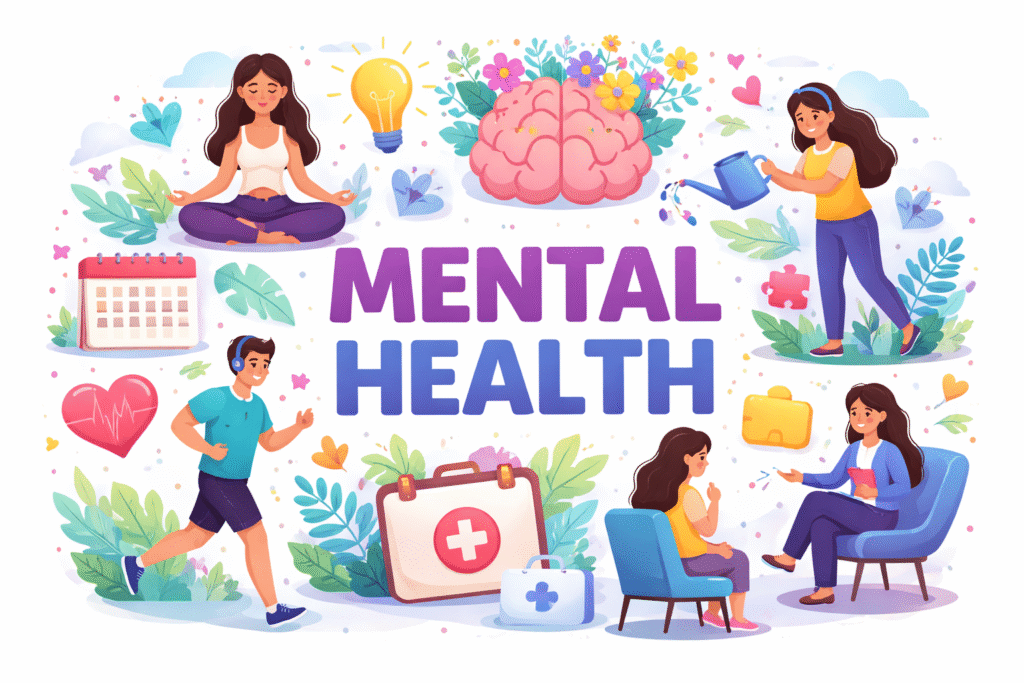
Mental health is a vital aspect of overall well-being that affects how we think, feel, and act in daily life. It influences how we handle stress, relate to others, and make decisions. Good mental health is not just the absence of mental disorders but also the presence of positive psychological and emotional well-being. Factors such as genetics, life experiences, and environmental conditions can impact mental health, making it essential to practice self-care, seek support when needed, and maintain healthy relationships. Awareness and education about mental health help reduce stigma, encourage early intervention, and foster a society where individuals feel empowered to prioritize their emotional and psychological needs
1. Importance of Mental Health Awareness:
Mental health awareness is crucial for building a compassionate society. When people understand the signs of mental distress and know how to respond, it becomes easier to provide support and reduce the stigma surrounding mental illness. Campaigns, education, and open conversations can help individuals feel safe seeking help, ultimately improving the overall quality of life and creating a more understanding and inclusive environment.
2. Stress
Stress is a common challenge in modern life and can negatively affect mental health if left unmanaged. Chronic stress can lead to anxiety, depression, and physical health problems such as high blood pressure. Developing coping strategies like mindfulness, meditation, regular exercise, and time management can help maintain emotional balance and prevent stress from overwhelming daily life.
3. Relationships:
Healthy relationships play a significant role in maintaining mental health. Positive social connections provide emotional support, reduce feelings of loneliness, and increase resilience during difficult times. On the other hand, toxic or abusive relationships can severely impact mental well-being, emphasizing the importance of surrounding oneself with supportive, understanding, and empathetic people.
4. Mental Health in the Workplace:
Mental health at work is just as important as physical safety. Work-related stress, long hours, and job insecurity can contribute to burnout, anxiety, and depression. Employers can support mental health by fostering open communication, offering flexible schedules, promoting work-life balance, and providing access to counseling or wellness programs. Employees who feel supported are more productive, motivated, and satisfied.
5. Youth :
Young people face unique mental health challenges, including academic pressure, peer influence, and identity struggles. Early intervention, supportive school environments, and guidance from parents and mentors can help adolescents develop coping skills and resilience. Promoting mental health literacy in schools encourages youth to express their feelings, seek help, and maintain emotional well-being.
6. Self-Care
Self-care is a key factor in maintaining mental health. Activities like exercise, journaling, meditation, and pursuing hobbies help reduce stress and improve mood. Setting boundaries, getting adequate sleep, and maintaining a healthy diet also contribute to emotional stability. Prioritizing self-care is not selfish—it is essential for sustaining long-term mental well-being.
7. Technology
While technology can provide support through online counseling and mental health resources, excessive use of social media and digital devices may negatively impact mental health. Overexposure to negative news, cyberbullying, or social comparison can lead to anxiety and low self-esteem. Balancing screen time and fostering real-life social connections is essential for a healthy mind.
8. Physical Health Connection:
Mental health and physical health are deeply interconnected. Conditions like depression and anxiety can weaken the immune system, disrupt sleep, and increase vulnerability to illnesses. Conversely, regular physical activity, proper nutrition, and adequate rest can improve mood and cognitive function. Taking care of both mind and body ensures holistic well-being
9. Anxiety
Anxiety is one of the most common mental health challenges, characterized by persistent worry, fear, or nervousness. While occasional anxiety is normal, chronic anxiety can interfere with daily life and relationships. Recognizing triggers, practicing relaxation techniques, and seeking professional help when necessary are important steps toward managing anxiety effectively.
10. Depression and Emotional Well-being:
Depression goes beyond occasional sadness; it is a serious mental health condition that affects thoughts, emotions, and behavior. Symptoms may include low energy, loss of interest in activities, and feelings of hopelessness. Early intervention through therapy, medication, and support from loved ones can help individuals recover and regain a sense of purpose.

11. Coping with Trauma:
Traumatic experiences, such as accidents, loss, or abuse, can have long-lasting effects on mental health. Coping with trauma involves acknowledging emotions, seeking professional counseling, and building a strong support system. Practices like journaling, mindfulness, and safe self-expression can also assist in the healing process.
12. Mindfulness :
Mindfulness is the practice of staying present and fully aware of one’s thoughts and feelings without judgment. It has been proven to reduce stress, anxiety, and depressive symptoms. Simple practices such as mindful breathing, meditation, or walking in nature can significantly improve emotional well-being and help individuals respond to life’s challenges more calmly.
13. Mental Health in Older Adults:
Mental health is important across all age groups, including older adults. Aging can bring challenges like social isolation, loss of loved ones, and chronic illness, which may affect emotional health. Encouraging social engagement, physical activity, and regular mental health checkups helps maintain cognitive function and emotional resilience in later years.
14. Mental Health and Substance Use:
Substance abuse often coexists with mental health conditions, creating a cycle that worsens overall well-being. Drugs or alcohol may temporarily relieve emotional pain but ultimately exacerbate anxiety, depression, and stress. Integrated treatment addressing both mental health and substance use is essential for lasting recovery.
15. The Role of Therapy:
Therapy is a valuable tool for maintaining mental health and managing emotional difficulties. Licensed therapists help individuals explore thoughts, emotions, and behaviors, develop coping strategies, and work toward personal growth. Therapy is not only for those with disorders—it can benefit anyone seeking self-improvement and emotional balance.
16. The Impact of Sleep on Mental Health:
Quality sleep is closely linked to mental health. Poor sleep can contribute to mood swings, irritability, anxiety, and depression. Establishing healthy sleep routines, avoiding excessive screen time before bed, and creating a relaxing sleep environment are practical ways to improve both sleep quality and emotional resilience.
17. Building Resilience:
Resilience is the ability to bounce back from adversity and challenges. It can be strengthened through positive thinking, problem-solving skills, supportive relationships, and self-care habits. Building resilience helps individuals cope with stress, adapt to change, and maintain mental well-being during difficult times.
18. Community :
A supportive community can play a significant role in maintaining mental health. Participating in social groups, volunteering, or simply staying connected with neighbors and friends fosters a sense of belonging. Strong social support can reduce stress, boost self-esteem, and provide encouragement during times of mental strain.
19. Art and Creativity for Mental Wellness:
Engaging in creative activities like painting, music, writing, or dance can promote mental health by providing emotional expression and stress relief. Art therapy, for instance, is widely used to help individuals process emotions, explore experiences, and improve overall psychological well-being
1. Importance of Awareness:
awareness is crucial for building a compassionate society. When people understand the signs of mental distress and know how to respond, it becomes easier to provide support and reduce the stigma surrounding mental illness. Campaigns, education, and open conversations can help individuals feel safe seeking help, ultimately improving the overall quality of life and creating a more understanding and inclusive environment.
2. Stress and Mental Health:
Stress is a common challenge in modern life and can negatively affect if left unmanaged. Chronic stress can lead to anxiety, depression, and physical health problems such as high blood pressure. Developing coping strategies like mindfulness, meditation, regular exercise, and time management can help maintain emotional balance and prevent stress from overwhelming daily life.
3. Relationships:
Healthy relationships play a significant role in maintaining mental health. Positive social connections provide emotional support, reduce feelings of loneliness, and increase resilience during difficult times. On the other hand, toxic or abusive relationships can severely impact mental well-being, emphasizing the importance of surrounding oneself with supportive, understanding, and empathetic people.

4. Mental Health in the Workplace:
at work is just as important as physical safety. Work-related stress, long hours, and job insecurity can contribute to burnout, anxiety, and depression. Employers can support mental health by fostering open communication, offering flexible schedules, promoting work-life balance, and providing access to counseling or wellness programs. Employees who feel supported are more productive, motivated, and satisfied.
5. Youth and Mental Health:
Young people face unique challenges, including academic pressure, peer influence, and identity struggles. Early intervention, supportive school environments, and guidance from parents and mentors can help adolescents develop coping skills and resilience. Promoting mental health literacy in schools encourages youth to express their feelings, seek help, and maintain emotional well-being.
6. Self-Care :
Self-care is a key factor in maintaining . Activities like exercise, journaling, meditation, and pursuing hobbies help reduce stress and improve mood. Setting boundaries, getting adequate sleep, and maintaining a healthy diet also contribute to emotional stability. Prioritizing self-care is not selfish—it is essential for sustaining long-term mental well-being.
7. Technology and Mental Healthogy can provide support through online counseling and mental health resources, excessive use of social media and digital devices may negatively impact mental health. Overexposure to negative news, cyberbullying, or social comparison can lead to anxiety and low self-esteem. Balancing screen time and fostering real-life social connections is essential for a healthy mind.
8.Physical Health Connection:
Mental health and physical health are deeply interconnected. Conditions like depression and anxiety can weaken the immune system, disrupt sleep, and increase vulnerability to illnesses. Conversely, regular physical activity, proper nutrition, and adequate rest can improve mood and cognitive function. Taking care of both mind and body ensures holistic well-being.
If you want, I can expand this into 50+ paragraphs, covering topics like depression, anxiety, therapy, meditation, coping with trauma, and workplace mental health for a full comprehensive resource.
Do you want me to do that next?
more
Perfect! Let’s continue expanding with more mental health paragraphs, covering additional angles and practical insights:
9. Anxiety :
Anxiety is one of the most common mental health challenges, characterized by persistent worry, fear, or nervousness. While occasional anxiety is normal, chronic anxiety can interfere with daily life and relationships. Recognizing triggers, practicing relaxation techniques, and seeking professional help when necessary are important steps toward managing anxiety effectively.
10. Depression and Emotional Well-being:
Depression goes beyond occasional sadness; it is a serious condition that affects thoughts, emotions, and behavior. Symptoms may include low energy, loss of interest in activities, and feelings of hopelessness. Early intervention through therapy, medication, and support from loved ones can help individuals recover and regain a sense of purpose.
11. Coping with Trauma:
Traumatic experiences, such as accidents, loss, or abuse, can have long-lasting effects on mental health. Coping with trauma involves acknowledging emotions, seeking professional counseling, and building a strong support system. Practices like journaling, mindfulness, and safe self-expression can also assist in the healing process.
12. Mindfulness and Mental Health:
Mindfulness is the practice of staying present and fully aware of one’s thoughts and feelings without judgment. It has been proven to reduce stress, anxiety, and depressive symptoms. Simple practices such as mindful breathing, meditation, or walking in nature can significantly improve emotional well-being and help individuals respond to life’s challenges more calmly.
13. Mental Health in Older Adults:
Mental health is important across all age groups, including older adults. Aging can bring challenges like social isolation, loss of loved ones, and chronic illness, which may affect emotional health. Encouraging social engagement, physical activity, and regular mental health checkups helps maintain cognitive function and emotional resilience in later years.
14. Substance Use:
Substance abuse often coexists with mental health conditions, creating a cycle that worsens overall well-being. Drugs or alcohol may temporarily relieve emotional pain but ultimately exacerbate anxiety, depression, and stress. Integrated treatment addressing both mental health and substance use is essential for lasting recovery.
15. The Role of Therapy:
Therapy is a valuable tool for maintaining mental health and managing emotional difficulties. Licensed therapists help individuals explore thoughts, emotions, and behaviors, develop coping strategies, and work toward personal growth. Therapy is not only for those with disorders—it can benefit anyone seeking self-improvement and emotional balance.
16. The Impact of Sleep :
Quality sleep is closely linked to mental health. Poor sleep can contribute to mood swings, irritability, anxiety, and depression. Establishing healthy sleep routines, avoiding excessive screen time before bed, and creating a relaxing sleep environment are practical ways to improve both sleep quality and emotional resilience.
17. Building Resilience:
Resilience is the ability to bounce back from adversity and challenges. It can be strengthened through positive thinking, problem-solving skills, supportive relationships, and self-care habits. Building resilience helps individuals cope with stress, adapt to change, and maintain mental well-being during difficult times.
18. Community :
A supportive community can play a significant role in maintaining . Participating in social groups, volunteering, or simply staying connected with neighbors and friends fosters a sense of belonging. Strong social support can reduce stress, boost self-esteem, and provide encouragement during times of mental strain.
19. Art and Creativity for Mental Wellness:
Engaging in creative activities like painting, music, writing, or dance can promote h by providing emotional expression and stress relief. Art therapy, for instance, is widely used to help individuals process emotions, explore experiences, and improve overall psychological well-being.
Absolutely! Let’s continue adding more paragraphs on Mental Health, expanding into practical, social, and emotional aspects:
20. Mental Health and Nutrition:
What we eat has a profound impact on mental health. A balanced diet rich in vitamins, minerals, and omega-3 fatty acids can improve brain function and mood. Conversely, excessive sugar, processed foods, and caffeine may contribute to anxiety, irritability, and depression. Mindful eating and proper nutrition are essential for sustaining both mental and physical well-being.
21. Coping with Grief:
Grief is a natural response to loss, whether it’s the death of a loved one, the end of a relationship, or major life changes. While everyone experiences grief differently, acknowledging emotions, seeking support, and allowing oneself time to heal are vital steps toward mental recovery. Suppressing grief can lead to prolonged emotional distress.
22. Mental Health and Physical Exercise:
Regular physical activity not only strengthens the body but also the mind. Exercise releases endorphins, which act as natural mood boosters, reduces stress, and improves sleep. Activities such as walking, yoga, swimming, or team sports can be effective in maintaining emotional balance and preventing mental health challenges.
23. The Role of Positive Thinking:
Positive thinking can improve mental health by promoting optimism, resilience, and coping skills. While it’s important to acknowledge challenges realistically, focusing on solutions, expressing gratitude, and celebrating small achievements can reduce stress and increase overall emotional well-being.
24. Social Media and Emotional Health:
Excessive use of social media can negatively affect mental health by creating unrealistic comparisons, cyberbullying, and information overload. Limiting screen time, curating positive content, and engaging in offline social activities help protect emotional well-being and foster healthier self-esteem.
25. Mental Health During Major Life Changes:
Life transitions—such as moving to a new city, starting a new job, or becoming a parent—can trigger stress and emotional strain. Maintaining routines, seeking guidance, and communicating feelings with trusted individuals can ease these transitions and support mental stability during times of change.
26. Self-Compassion and Emotional Resilience:
Practicing self-compassion is a key tool for mental health. Accepting imperfections, forgiving oneself for mistakes, and treating oneself with kindness reduces stress and promotes emotional resilience. Individuals who are self-compassionate are better equipped to handle setbacks and maintain overall mental well-being.
27. Mental Health in Children:
Mental health in children is critical for their development, learning, and social interactions. Early recognition of issues such as anxiety, attention disorders, or behavioral challenges allows for timely intervention. Supportive parenting, open communication, and nurturing environments help children develop emotional intelligence and coping skills.
28. Mind-Body Connection:
The mind and body are deeply interconnected. Practices like yoga, tai chi, and meditation help align mental and physical health by reducing stress, improving focus, and enhancing emotional stability. Recognizing the mind-body connection allows individuals to address both mental and physical wellness simultaneously.
29. Reducing Mental Health Stigma:
Stigma around mental health often prevents people from seeking help. Promoting education, empathy, and open discussions encourages individuals to speak about their struggles without fear of judgment. Breaking stigma leads to early intervention, better treatment outcomes, and a society that prioritizes emotional well-being.