
Celebration of Vaisakhi in 2025
Introduction: What Is Vaisakhi and Why Is It Celebrated?
Vaisakhi—also spelled Baisakhi—is one of the most significant festivals in India, especially in the states of Punjab, Haryana, and northern regions. While many Indians know it as a vibrant harvest festival, Vaisakhi also has profound religious importance, particularly for Sikhs. It is celebrated every year on 13th or 14th April, marking the start of the harvest season and the solar new year according to the traditional Hindu calendar.
Vaisakhi is more than just a cultural celebration; it is a festival that reflects gratitude, community spirit, courage, and new beginnings. From joyous Bhangra performances and colorful fairs to sacred Gurudwara visits and Khalsa Panth ceremonies, Vaisakhi captures the true essence of Indian diversity.
This 2500+ word guide explores the history, meaning, cultural impact, Sikh significance, rituals, celebrations, foods, business impact, and global recognition of Vaisakhi.
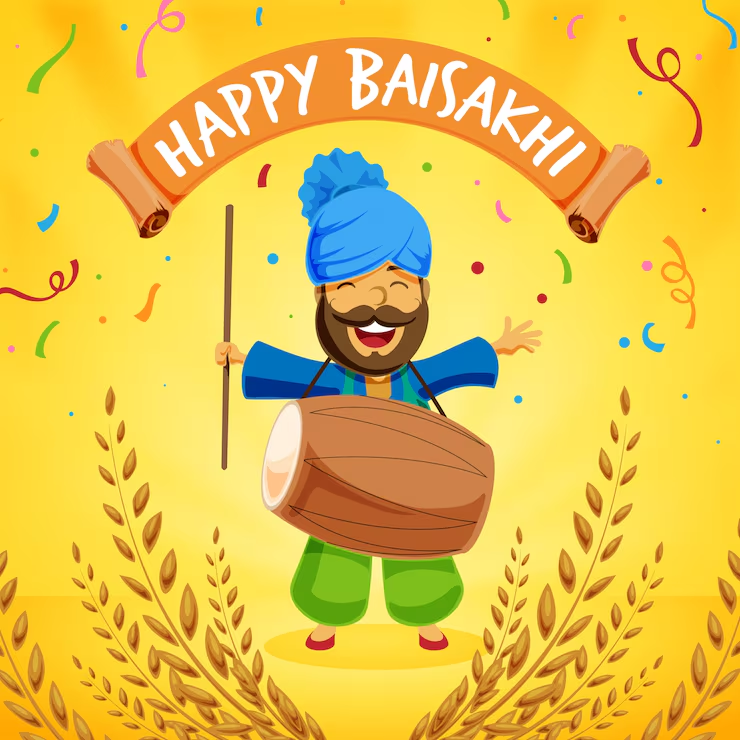
🌟 Meaning of Vaisakhi: Understanding Its Roots
The word “Vaisakhi” is derived from Vaiśākha, the second month of the Indian solar calendar. Traditionally, Vaisakhi marks:
- The harvest of Rabi crops, especially wheat
- The beginning of the new agricultural year
- The Hindu Solar New Year in several regions
- The foundation of the Khalsa Panth in Sikhism
It is simultaneously a seasonal, religious, and social festival.
📜 Historical Background
Vaisakhi has been celebrated for thousands of years, with origins in ancient Indian agricultural traditions.
1. Ancient Harvest Traditions
For centuries, farmers in northern India celebrated the successful harvesting of wheat crops during Vaisakhi. It was the time when:
🌾 Fields turned golden
🥁 Farmers danced to express joy
🙏 Communities thanked nature for abundance
It marked the end of hard labor and the beginning of prosperity.
2. Sacred Day in Hindu Calendar
In Hinduism, Vaisakhi symbolizes the solar transition into the month of Vaisakh, observed in many cultures as:
- Tamil New Year (Puthandu)
- Bengali New Year (Pohela Boishakh)
- Assamese New Year (Rongali Bihu)
- Malayali Vishu
Thus, Vaisakhi aligns with several Indian new year celebrations.
3. A Turning Point in Sikh History: Birth of the Khalsa (1699)
The most significant event in Vaisakhi history occurred in 1699 when Guru Gobind Singh Ji, the 10th Sikh Guru, created the Khalsa Panth at Anandpur Sahib.
He called upon thousands of Sikhs and initiated the “Panj Pyare”—the first five Sikhs who embodied courage and faith. The Khalsa Panth was established to:
- Fight oppression
- Stand for justice
- Live with honor and equality
- Protect the weak
This sacred moment transforms Vaisakhi into a major religious festival for Sikhs worldwide.
🛕 Sikhism: Spiritual Importance
1. Formation of the Khalsa Panth
Guru Gobind Singh Ji established the Khalsa to create a community that was:
- Pure in actions and thoughts
- Fearless in protecting righteousness
- Committed to service and brotherhood
Vaisakhi is the day Sikhs celebrate their identity, culture, and values.
2. The Amrit Sanchar Ceremony
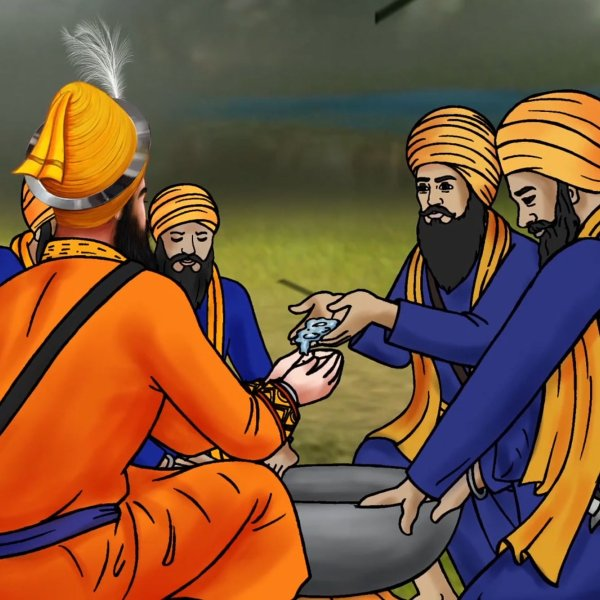
On Vaisakhi, many Sikhs undergo Amrit Sanchar, the initiation ceremony into Khalsa:
- They drink the blessed nectar (Amrit)
- Promise to follow the five Ks (Kesh, Kara, Kirpan, Kangha, Kachera)
- Commit to truth, service, and discipline
3. Nagar Kirtans
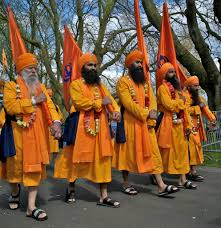
Traditional Sikh processions called Nagar Kirtans are held. They include:
- Singing hymns
- Martial arts performances (Gatka)
- Community prayers
- Colorful floats representing Sikh history
4. Langar: A Feast of Equality
Gurudwaras prepare free meals (langar) for thousands of people regardless of religion, caste, or background. It represents:
- Equality
- Community service
- Unity
- Humility
Langar on Vaisakhi is one of the largest community food services in the world.
🎉 How Is Celebrated: Traditions and Customs
Vaisakhi is known for its vibrant celebrations across India.
1. Fairs and Melas
Vaisakhi melas (fairs) include:
🎪 Folk dance performances
🏹 Games and sports
🍡 Traditional food stalls
🛍 Handicrafts
🎠 Rides and entertainment
These fairs bring communities together for fun and cultural exchange.
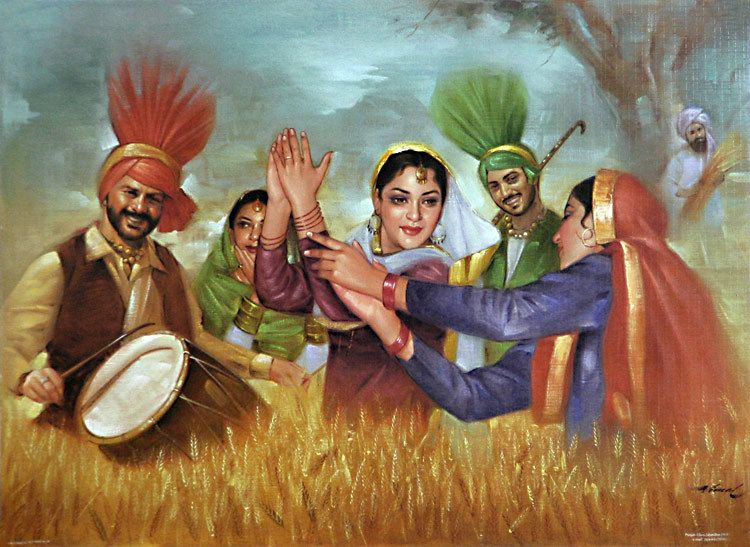
2. Bhangra and Gidda Performances
Punjab comes alive with traditional dances:
- Bhangra (men’s dance): symbol of energy, strength, and joy
- Gidda (women’s dance): expressive storytelling through rhythm
The music of dhol drums fills villages and cities with festive energy.
3. Temple and Gurudwara Visits
Whether Hindu or Sikh, people visit places of worship to:
- Offer prayers
- Donate food and clothes
- Listen to spiritual hymns
- Seek blessings for the year
4. Feast and Traditional Foods
Popular Vaisakhi dishes include:
- Kadhi Chawal
- Makki di Roti & Sarson da Saag
- Pindi Chole
- Kheer
- Lassi
- Pinni
- Jalebi
Food plays a central role in expressing gratitude.
🌎 Across India
Though best known in Punjab, Vaisakhi is celebrated differently across states.
1. Punjab
The biggest celebrations happen here with:
- Khalsa initiation ceremonies
- Gurudwara rituals
- Bhangra–Gidda
- Melas
- Community feasts
2. Haryana
Similar to Punjab, with agricultural rituals and folk dances.
3. Himachal Pradesh
Vaisakhi is celebrated as a spring festival.
4. Uttar Pradesh & Uttarakhand
People take holy dips in the Ganga and visit temples.
5. Bengal & Assam
Coincides with the Bengali New Year and Assamese Bihu.
6. Tamil Nadu
Celebrated as Puthandu, the Tamil New Year.
7. Kerala
Celebrated as Vishu, marking the arrival of spring.
🕌 Global Celebrations: Around the World
Vaisakhi is celebrated wherever Sikh and Indian communities live.
1. United Kingdom
London, Birmingham, and Glasgow hold:
- Nagar Kirtans
- Cultural shows
- Community feasts
2. Canada
Canada hosts some of the world’s largest Vaisakhi parades, especially in:
- Surrey
- Vancouver
- Toronto
3. United States
Major celebrations take place in:
- New York
- California
- New Jersey
- Chicago
4. Australia
Sydney and Melbourne celebrate with cultural programs and kirtans.
5. Malaysia & Singapore
Government-supported Vaisakhi events are held for the Sikh community.
🌅 Symbolic Meaning and Spiritual Lessons of teaches timeless lessons:
1. Gratitude
Farmers thank nature for abundance.
2. Courage
Inspired by Guru Gobind Singh Ji’s formation of the Khalsa.
3. Equality
Langar shows that all humans are equal.
4. Community Service
Sewa (service) is central to Vaisakhi.
5. New Beginnings
It marks the solar new year and new agricultural cycle.
📈 Economic Significance
Vaisakhi isn’t just cultural—it impacts the economy.
1. Agriculture
- Start of new farming cycle
- Wheat harvesting and sale
- Boost to farm markets
2. Tourism
Punjab sees an influx of tourists during Vaisakhi.
3. Retail Industry
Increase in:
- Clothing sales
- Jewelry
- Food items
- Decorations
4. Events & Melas
Local vendors earn through fairs and cultural events.
📱 Modern Ways Celebrated
In the digital world, Vaisakhi has evolved.
1. Social Media Celebrations
People share:
- Wishes
- Photos of outfits
- Temple visits
- Food
- Kirtans
2. Online Wishes and E-Cards
Digital cards and WhatsApp stickers are popular.
3. Live-stream Kirtans
Gurudwaras around the world stream kirtans online.
4. Community Fundraisers
Sikhs run charity drives on Vaisakhi for:
- Food distribution
- Medical camps
- Disaster relief
✨ Keywords
Include these to increase your blog ranking:
Primary Keywords
- Vaisakhi festival
- Baisakhi celebration
- History of Vaisakhi
- Khalsa Panth formation
- Vaisakhi significance
Long-tail Keywords
- Why is Vaisakhi celebrated?
- Vaisakhi rituals and traditions
- Importance of Baisakhi in Sikhism
- How is Vaisakhi celebrated in Punjab?
- Global Vaisakhi celebrations
LSI Keywords
- Harvest festival
- Sikh new year
- Khalsa initiation
- melas
- Punjabi festival
🎉 Popular Wishes
- “Wishing you joy, prosperity, and blessings this Vaisakhi!”
- “May the harvest season bring peace, wealth, and happiness to your home.”
- “Happy Vaisakhi to all! May the Khalsa spirit shine bright.”
FAQs (SEO Boosters)
1. Why is important?
marks the harvest season and the birth of the Khalsa in Sikhism.
2. When is celebrated?
Every year on 13th or 14th April.
3. What is the Khalsa?
A Sikh warrior community founded by Guru Gobind Singh Ji in 1699.
4. How do Sikhs celebrate?
Through prayers, Nagar Kirtans, Amrit Sanchar, and langar.
5. What food is eaten on ?
Traditional Punjabi dishes like chole, kheer, kadhi, saag, jalebi, and lassi.
🌾 Extended Content: History, Culture, Sikh Identity, Farmers’ Joy & Global Relevance
🌟 Deeper Historical Insightsi
While many know Vaisakhi as a harvest festival and the founding day of the Khalsa, few understand how deeply this date is woven into India’s ancient timeline.
1. Seasonal Turning Point
In ancient Vedic times, Vaisakh marked the transition between spring and summer. This seasonal change was important because:
- Agricultural cycles depended on the Sun’s movement
- People prepared fields for the next sowing season
- Communities celebrated the end of long, hard winter months
Many ancient Indian scriptures reference Vaisakh as a time when energy, life, and growth peak.
2. Astronomical Significance
coincides with the Sun entering Aries (Mesh Rashi), marking the start of the solar new year. This is why several Indian cultures celebrate their New Year at the same time:
- Tamil New Year (Puthandu)
- Bengali Pohela Boishakh
- Kerala Vishu
- Assam Bihu
- Nepali Navavarsha
Thus, Vaisakhi’s importance is not limited to religion—it is rooted in astronomy and agriculture.
🌼 Guru Gobind Singh Ji: A Deeper Look
Thei 1699 completely transformed Sikh history. Guru Gobind Singh Ji’s creation of the Khalsa Panth was not only a religious act but a socio-political revolution.
1. The Societal Context
Before 1699, India saw:
- Tyranny by Mughal rulers
- Torture and forced conversions
- Oppression of ordinary people
- Division based on caste
Guru Gobind Singh Ji wanted to create a fearless, united community that could stand against injustice.
2. The Panj Pyare: Symbol of Equality
The five men (Panj Pyare) who answered the Guru’s call came from:
- Different castes
- Different regions
- Different backgrounds
This was revolutionary because it broke all social barriers and introduced the principles of:
- Equality
- Brotherhood
- Courage
- Devotion
The birth of Khalsa on is a symbol of spiritual and social liberation.
3. Introduction of the Five Ks
On Vaisakhi, the Guru gave Sikhs their distinct identity through the Five Ks (Panj Kakar):
🪮 Kesh – Uncut hair
📿 Kangha – Wooden comb
⚔️ Kirpan – Sword
🩳 Kachera – Knee-length garment
🔗 Kara – Steel bracelet
These items represent discipline, self-respect, and justice.
🌙 Cultural Dimensions of in Punjab
Vaisakhi is deeply emotional for Punjabis because it is tied to their land, farming lifestyle, and identity.
1. The Harvest of Rabi Crops
marks the harvesting of wheat, mustard, and other Rabi crops.
This season brings:
- Full granaries
- Financial stability
- Joy and relief
Farmers celebrate by:
- Buying new clothes
- Preparing feasts
- Visiting temples
- Dancing Bhangra
For them,a day of gratitude and hard-earned happiness.
2. Folk Music and Traditional Instruments
Punjabi folk music gives Vaisakhi its energetic atmosphere. Instruments include:
- Dhol – The heartbeat of Punjabi culture
- Tumbi – High-energy string instrument
- Algoza – Twin flute
- Chimta – Metallic rhythms
- Gharha – Earthenware percussion
The beats symbolize strength, unity, and celebration.
3. Traditional Clothing
People dress in bright, vibrant attire:
Women:
- Patiala suits
- Phulkari dupattas
- Gota jewelry
Men:
- Kurta pajama
- Turbans (Pagri)
- Waistcoat
Everything worn on Vaisakhi reflects joy and color.
🍽Food Culture: A Feast of Punjab’s Heart
Food is a major part of celebrations. Traditional dishes are not only delicious but symbolic.
Typical Dishes:
- Sarson da Saag
- Makki di Roti
- Kadhi Pakora
- Pindi Chole
- Jeera Rice
- Meethe Chawal
- Kheer
- Lassi (sweet or salted)
- Pinni and Panjiri
- Jalebi
These foods represent prosperity, nourishment, and community bonding.
🛕 Mela: A Cultural Heritage
fairs, or melas, are an ancient tradition. They combine rural charm with cultural extravaganza.
Activities include:
- Giddha & Bhangra competitions
- Wrestling matches (Kushti)
- Kite flying
- Agricultural exhibitions
- Traditional Punjabi crafts
- Ride attractions for children
- Folk song contests
Melās bring together people from all walks of life.
🕯 Connection to Rural Life
In villages across Punjab and Haryana, Vaisakhi marks:
- The beginning of a new financial year
- Clearing old debts
- Purchasing new livestock
- Visiting markets to sell fresh wheat
- Early morning rituals before sunrise
It is a day when the entire village feels alive with music, food, and laughter.
🌍 Growing Global Presence
Today, Vaisakhi is celebrated in over 30+ countries, thanks to the Sikh diaspora.
Major Global Vaisakhi Events:
🇨🇦 Canada
Home to some of the world’s largest Vaisakhi parades (up to 500,000 people).
🇬🇧 UK
London’s Trafalgar Square hosts massive cultural programs.
🇺🇸 USA
Cities like New York, Los Angeles, and San Francisco hold Nagar Kirtans.
🇦🇺 Australia
Melbourne and Sydney celebrate with traditional performances.
🇲🇾 Malaysia & 🇸🇬 Singapore
Government-supported programs and Sikh community gatherings mark the festival.
This global spread reflects Sikh values of unity and service.
📿 Spiritual Teachings
Beyond celebration, reminder of important life values:
1. Courage (Nirbhau)
Inspired by Khalsa’s bravery.
2. Service (Seva)
Langar teaches selfless service.
3. Equality (Sarbat da Bhala)
Welfare of all is a core Sikh principle.
4. Gratitude (Shukar)
Farmers thank nature for abundance.
5. Discipline (Rehat Maryada)
Following the path of virtue.
📈 Economy: A Deeper Look
boosts several industries:
1. Agriculture Sector
- Wheat transportation
- Grain market trading
- Farm supply purchase
2. Retail & Fashion
- Clothing shops
- Textile businesses
- Turban & traditional wear stores
3. Tourism
- Cultural tourism in Punjab
- Temple visits
- Village tourism
4. Food Industry
- Sweet shops
- Dairy products
- Catering services
5. Event Industry
- Mela organizers
- Performers
- Stage setup companies
boosts rural and urban economies alike.
📱 Modern Digital Trends
Technology has reshaped how people celebrate:
1. Instagram Reels & TikTok Videos
People share:
- Bhangra dances
- outfits
- Langar preparations
- Temple decor
2. WhatsApp & Social Media Greetings
Digital wishes trend globally.
3. Online Kirtan Streaming
Gurudwaras broadcast live ceremonies for worldwide audiences.
4. Influencer Collaborations
Creators partner with brands for festive promotions.
✨ Keywords
You can add these to boost your ranking:
Primary Keywords
- Vaisakhi importance
- Vaisakhi traditions
- Baisakhi rituals
- Khalsa history
Long Tail Keywords
- How Sikhs celebrate Vaisakhi
- Vaisakhi festival essay
- Vaisakhi for farmers
- What food is prepared on Vaisakhi
Related Keywords
- Harvest festival
- Sikh new year
- Khalsa Panth
- Nagar Kirtan
- Punjabi culture
📝 Additional FAQs
Yes, for many Sikhs Vaisakhi marks the beginning of the Khalsa Panth and often symbolizes new beginnings.
7. What do children do ?
Children join dances, fairs, charity drives, and enjoy sweets and rides.
8. What colors are worn?
Bright colors like yellow, orange, pink, blue, and green are popular.
serves as a powerful reminder of the deep bond between humans and nature. As farmers gather their golden harvest, the festival symbolizes the reward of months of dedication, patience, and hard work. It reinforces the timeless truth that prosperity comes from harmony with the land, respect for the seasons, and gratitude for every blessing. Beyond rituals and celebrations, i inspires people to begin new chapters with positivity and courage. Whether someone participates in langar, performs seva, or simply shares joy with family, the festival encourages kindness, unity, and hope. Its message remains universal: celebrate life with gratitude and compassion.
highlights the importance of cultural preservation in a rapidly changing world. As younger generations grow up in cities or abroad, the festival becomes a bridge connecting them to their roots, traditions, and ancestral values. Schools, cultural centers, and gurdwaras often organize special events to educate youth about the history of the Khalsa, traditional farming practices, and the meaning of seva. This keeps the spirit ofi alive across generations. The festival also inspires people to reflect on the past year, set new goals, and embrace a mindset of growth. It’s a time for communities to unite, heal, and move forward with renewed strength and optimism.
💛 Conclusion: The Everlasting Spirit
Vaisakhi continues to shine as a festival of:
🌾 Harvest joy
🛕 Spiritual strength
🛡 Khalsa courage
👪 Community unity
🙏 Gratitude to nature and God
🌏 Global harmony
It celebrates the spirit of resilience, the warmth of togetherness, and the strength of cultural identity. Whether in the farms of Punjab or the streets of Canada, Vaisakhi remains a festival full of light, faith, happiness, and new beginnings.