
Adidas Clothes in 2025
Adidas: A Comprehensive 2500+ Word Analysis of the Brand, Its Evolution, and Global Influence
Adidas is one of the most recognizable and influential sportswear brands in the world, a company whose name echoes across stadiums, city streets, gyms, cultural movements, and fashion runways. With its iconic Three Stripes symbolizing discipline, performance, and style, Adidas has transcended the boundaries of sport to become a lifestyle and cultural icon. The brand’s journey—spanning nearly a century—is a story of innovation, rivalry, reinvention, and global relevance. This essay explores the multifaceted identity of Adidas in more than 2500 words, offering a deep dive into its origins, brand philosophy, marketing strategies, technological advancements, challenges, and impact on sports, culture, and the global market.

1. Origins and Foundational Story
The Adidas story begins in the small Bavarian town of Herzogenaurach, Germany, where Adolf (“Adi”) Dassler and his brother Rudolf established a family shoe business in the 1920s. Adi, a quiet, meticulous craftsman, was obsessed with designing footwear that enhanced athletic performance. Rudolf, in contrast, was the charismatic salesman with a keen business mind. Together, they formed Gebrüder Dassler Schuhfabrik (Dassler Brothers Shoe Factory), laying the foundation for what would later become Adidas.
Adi Dassler’s mission was clear from the beginning: create sports shoes that give athletes a competitive edge. This dedication to performance innovation quickly gained traction, and by the 1936 Berlin Olympics, Dassler shoes were thrust into the global spotlight when the legendary American sprinter Jesse Owens wore them while winning four gold medals. This major milestone not only validated Adi’s vision but also cemented the company’s reputation for crafting footwear that enhanced athletic excellence.
However, interpersonal conflicts between the two brothers intensified over the years. Differences in personality, disagreements about the direction of the company, and the pressures of operating during and after World War II led to an irreparable rift. In 1948, the brothers split the business. Rudolf Dassler formed Puma, while i Dassler established Adidas—derived from his nickname “Adi” and the first three letters of his last name “Dassler.” This sibling rivalry eventually evolved into one of the most famous brand rivalries in sports history, with both companies headquartered in the same small town, divided not only by ideology but literally by a river.
From this beginning, Adidas emerged as a brand deeply rooted in innovation, performance, and competitive spirit. The breakup forged a sharper identity: Adidas would be the brand of athletes, driven by engineering and design excellence to boost sporting performance.
2. Evolution of the Brand Identity
From the outset, distinguished itself with an unwavering focus on performance footwear. Adi Dassler patented the now-iconic Three Stripes in 1949, initially intended to provide structural reinforcement for the shoe. Over time, the stripes evolved from functional elements into a symbol recognized globally as a mark of athletic authenticity and craftsmanship.
2.1. The Three Stripes as a Symbol
What makes the Adidas logo particularly powerful is its simplicity. Three parallel bars communicate stability, balance, and movement—qualities fundamental to sports. Over the decades, Adidas has introduced variations of the logo, including the Trefoil (introduced in 1972) and the mountain-shaped performance logo (used widely since the 1990s). Each logo variant represents a different segment of the brand:
- Trefoil: Lifestyle and heritage collections
- Performance logo: Professional athletic gear
- Three Stripes: Across all categories, signifying unity of design
This layered branding strategy allows Adidas to operate fluidly across markets, from high-performance sportswear to streetwear fashion, while maintaining a unified brand identity.
2.2. A Brand Rooted in Performance and Culture
As Adidas evolved, it recognized that athletic performance was only one avenue of influence. By the late 20th century, the brand had become embedded in youth culture, hip-hop movements, and street fashion. This transition broadened the brand’s identity from simply “gear for athletes” to “an expression of individuality and lifestyle.”
3. Sports: Partnerships, Innovations, and Global Influence
Adidas is inseparable from the world of sports, having outfitted countless athletes, sponsored major teams, and contributed innovations that reshaped various sporting disciplines.
3.1. Football (Soccer) Dominance

Football is central to Adidas’s global dominance. The brand’s long-standing partnership with FIFA has made it the official supplier of match balls for every FIFA World Cup since 1970. Iconic football boots such as the Adidas Predator, Copa Mundial, F50, and X series have been worn by football legends including:
- Franz Beckenbauer
- David Beckham
- Zinedine Zidane
- Lionel Messi
The design and technology of Adidas football boots often set industry benchmarks, integrating lightweight materials, stabilizing frameworks, and precision-enhancing textures.
3.2. Running and Track & Field
Adi Dassler’s original passion was track and field, and Adidas continues to excel in this category. From the early spiked shoes to modern technologies like:
- Boost foam
- Lightstrike cushioning
- Continental rubber outsoles
- Primeknit uppers
Adidas running shoes attract both everyday consumers and elite athletes. The introduction of Boost technology in 2013 revolutionized the industry by dramatically improving energy return. Boost became a defining competitive advantage for the brand in running, fitness, and lifestyle footwear.
3.3. Basketball
Adidas basketball history includes partnerships with NBA players such as Kareem Abdul-Jabbar, Tracy McGrady, Derrick Rose, James Harden, and Damian Lillard. Remarkably, the brand was also involved with Kobe Bryant early in his career. Adidas’s focus on combining performance with fashion-forward aesthetics helped the brand maintain a presence in a sport dominated by its American rival, Nike.
3.4. Olympics and Global Sporting Events
The Olympics have long been fertile ground for to showcase innovations. The company has provided uniforms, footwear, and equipment for numerous national teams, contributing to its global visibility and association with athletic excellence.
4. Technological Innovation and Product Development
Innovation is at the core of Adidas success. The brand’s technological advancements span materials science, biomechanics, manufacturing processes, and sustainability initiatives.
4.1. Boost Technology
One of the most significant breakthroughs in modern footwear, Boost technology, developed in collaboration with BASF, introduced a new cushioning material composed of thermoplastic polyurethane (TPU) pellets fused together. The result: unprecedented energy return, comfort, and durability. Boost was adopted not only in performance running shoes but also in lifestyle models such as the UltraBoost and NMD, blurring the lines between performance and fashion.
4.2. Primeknit
Primeknit is Adidas proprietary knitted upper technology that reduces weight, enhances flexibility, and minimizes waste during production. It has become a widely used upper material in both performance and lifestyle shoes.
4.3. Futurecraft and 4D Printing
Adidas has also explored next-generation manufacturing through the Futurecraft initiative, which includes:
- Futurecraft 4D: Midsoles created using digital light synthesis
- Futurecraft Loop: Fully recyclable performance shoe
- Experimental models emphasizing circular design
This futuristic approach sets Adidas apart as a forward-thinking brand aligned with emerging technologies.
4.4. Sustainability and Eco-Innovation
has made ambitious environmental commitments. The partnership with Parley for the Oceans produces footwear and apparel made from recycled ocean plastic. The brand has pledged to eliminate virgin polyester and has made significant strides toward more sustainable supply chains.
5. Fashion and Culture
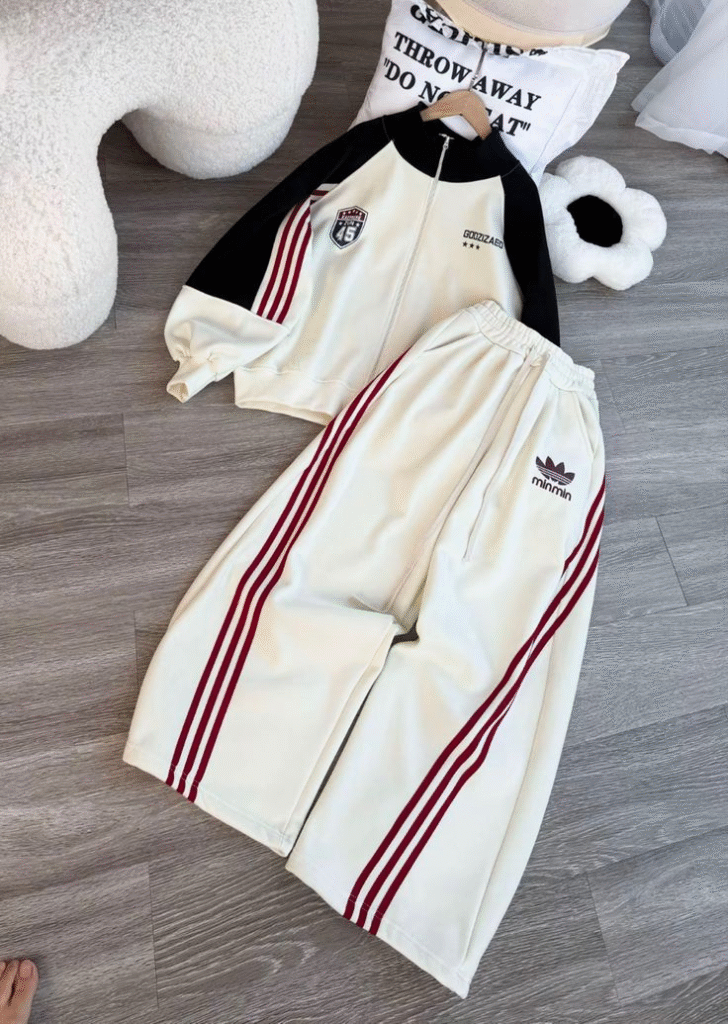
One of biggest strengths lies in its ability to intersect sports with global culture.
5.1. The Rise of Streetwear
Adidas became embedded in street fashion in the 1970s and 1980s. A landmark cultural moment occurred when hip-hop group Run-D.M.C. released their hit “My Adidas” in 1986, celebrating the Superstar shoe. This led to one of the first major non-athlete endorsement deals in sportswear history, forever changing brand culture and marketing.
5.2. Collaborations with Designers and Celebrities
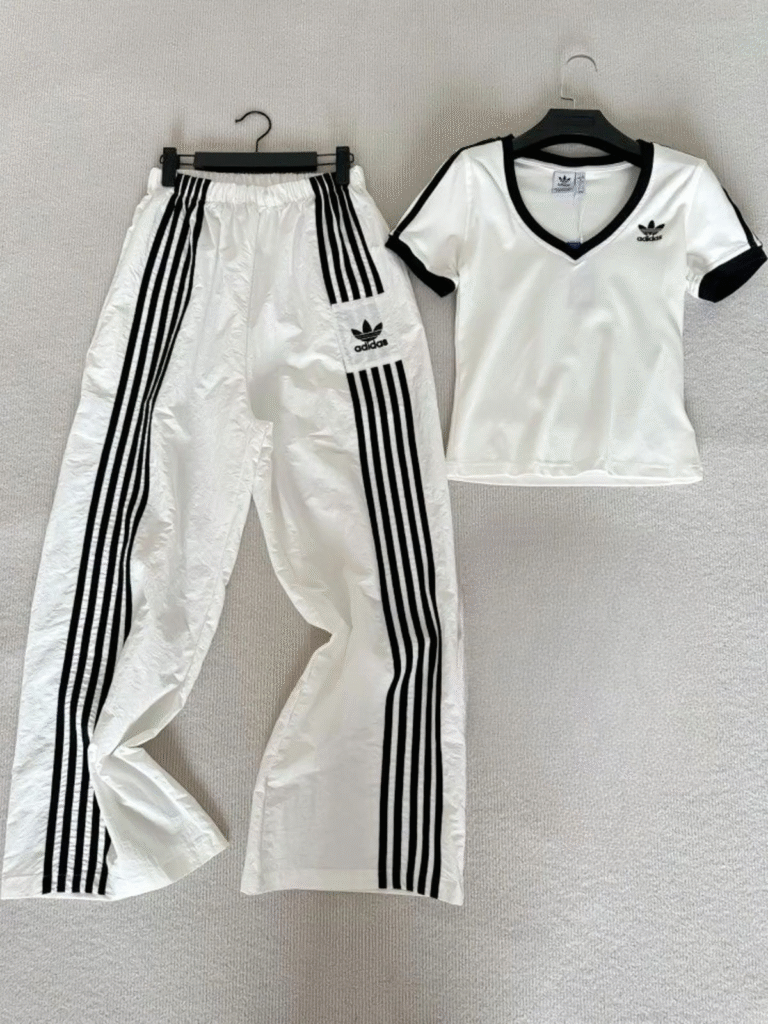
Adidas has mastered the art of collaboration, working with influential figures across fashion, music, and art:
- Yohji Yamamoto (Y-3 line)
- Pharrell Williams
- Kanye West (YEEZY line)
- Stella McCartney
- Beyoncé (Ivy Park)
- Alexander Wang
These collaborations brought Adidas significant attention and expanded its reach into high fashion and luxury streetwear.
5.3. Influence on Youth Culture
Adidas sneakers—such as the Stan Smith, Superstar, Samba, and Gazelle—have remained cultural staples for decades. Their clean aesthetics and versatile designs appeal to generations of consumers, making them go-to footwear in both casual and fashion-forward contexts.
6. Marketing Strategies and Brand Positioning
Adidas adopts a multifaceted marketing strategy that blends athletic credibility, cultural resonance, and emotional storytelling.
6.1. “Impossible Is Nothing”
Perhaps the most iconic Adidas slogan, “Impossible Is Nothing,” launched in 2004, encapsulates the brand’s spirit: empowerment, determination, and transformation. Campaigns using this tagline often highlight personal narratives of athletes overcoming adversity.
6.2. Social Media and Digital Engagement
Adidas leverages social platforms, influencer marketing, and digital storytelling to stay culturally relevant. The brand frequently collaborates with creators and athletes who resonate with younger audiences.
6.3. Diversified Market Segmentation
Adidas successfully operates across multiple consumer segments:
- Performance sportswear
- Casual fashion
- High-end fashion
- Sustainable products
This diversification strengthens brand resilience while supporting growth across global markets.
7. Global Presence and Business Expansion
Adidas operates in more than 100 countries with thousands of retail locations. Its global strategy includes:
- Localized marketing campaigns
- Adaptation to cultural and regional trends
- Strategic sponsorships involving local sports teams and athletes
- Strong presence in emerging markets such as China and India
The acquisition of brands like Reebok (which Adidas later divested) also contributed to its presence in fitness and lifestyle markets.
8. Challenges Faced
Despite its success, Adidas has confronted several challenges.
8.1. Competition from Nike and Other Brands
Nike remains Adidas’s most formidable competitor, consistently leading in numerous global markets. The competition extends to both performance categories and lifestyle segments.
8.2. Supply Chain and Environmental Pressures
As sustainability becomes increasingly crucial, Adidas faces pressure to accelerate circular manufacturing and reduce environmental impact.
8.3. Managing High-profile Collaborations
Partnerships like YEEZY have brought massive success but also risks, including brand reputation challenges.
8.4. Market Fluctuations and Changing Consumer Behavior
Trends in fashion and fitness can shift rapidly, requiring Adidas to constantly adapt its product offerings and communication strategies.
9. the Future: Outlook and Predictions
Looking ahead, Adidas is focused on several strategic pillars:
- Sustainability Leadership: Innovating toward fully circular products
- Digital Transformation: Enhancing e-commerce and personalized shopping experiences
- Smart Sportswear: Integrating digital performance tracking
- Experiential Retail: Merging physical and digital brand experiences
- Global Youth Culture: Remaining relevant through music, gaming, and social media
Adidas’s future depends on its ability to balance innovation with authenticity—continuing to serve athletes while shaping cultural landscapes worldwide.
10. Organizational Structure and Corporate Strategy
operates under a global corporate structure designed to support innovation and consistent brand identity across different continents. Its organization is divided into major functional areas including product design, marketing, supply chain logistics, sales, brand partnerships, sustainability, and regional management.
10.1. Leadership Philosophy
The Adidas leadership culture emphasizes creativity, transparency, and agility. Leadership encourages experimentation—whether through product development, digital initiatives, or marketing concepts. This is reflective of the company’s brand philosophy: pushing limits and creating possibilities.
10.2. “Own the Game” Strategic Plan
In recent years, Adidas introduced the “Own the Game” strategy focused on:
- Consumer centricity
- Innovation-driven products
- Strengthening direct-to-consumer (DTC) channels
- Reducing carbon footprint
- Enhancing operational speed
This plan aims to position Adidas as the most influential sports brand by improving digital ecosystems, loyalty programs, and personalized customer experiences. Direct-to-consumer (e.g., online store, flagship retail) has become a core focus because it increases profitability and allows Adidas to control brand presentation.
10.3. Regional Adaptation
Although is a global giant, its strategy includes adapting to local tastes. For example:
- In Asia, where athleisure is rapidly growing, Adidas offers lifestyle-heavy campaigns.
- In Europe, football drives marketing due to cultural attachment to clubs.
- In North America, mixes performance messaging with celebrity collaborations to compete with Nike’s dominance.
Such adaptability explains Adidas’s ability to stay culturally relevant across continents.
11. Supply Chain, Manufacturing, and Labor Issues
Adidas’s supply chain is large and complex, spanning more than 50 countries and involving hundreds of suppliers. Like many global apparel companies, it outsources most of its production to manufacturers in Asia, including Vietnam, Indonesia, China, and Cambodia.
11.1. Efficiency and Speed
supply chain focuses on:
- Speed to market
- Mass production efficiency
- Cost control
- Regional production hubs for faster delivery
The Speedfactory concept, introduced in Germany and the U.S., aimed at bringing automated manufacturing closer to consumers. Although the factories were later closed, they showcased future-driven manufacturing ideas, such as:
- Robotics
- 3D printing
- On-demand customization
11.2. Labor Controversies
Like other major apparel brands, Adidas has faced criticism for labor conditions in supplier factories. Issues have included:
- Low wages
- Excessive working hours
- Worker safety concerns
- Lack of union protection
In response, Adidas strengthened its auditing frameworks and introduced compliance standards to ensure suppliers meet labor rights requirements. Adidas regularly publishes reports to increase transparency, though critics argue improvements must continue.
11.3. Sustainability in Supply Chains
The brand has taken significant strides in sustainable supply chains, such as:
- Reducing water and chemical use
- Using recycled polyester
- Creating biodegradable shoe concepts
- Circular design programs aiming for full recyclability
Such initiatives demonstrate that Adidas recognizes both consumer expectations and environmental responsibility.
12. Branding Psychology: Why Connects with Consumers
Brand success goes beyond good products—it depends on emotional resonance. Adidas excels at creating psychological connections through storytelling, symbolic design, and identity marketing.
12.1. Symbolic Power of the Three Stripes
The Three Stripes evoke:
- Athletic discipline
- Minimalism
- Achievement
- Cultural simplicity
This instantly recognizable identity creates trust and familiarity. It is a visual cue tied to performance and authenticity.
12.2. Emotional Storytelling
Campaigns such as “Impossible Is Nothing” tap into the psychological desire for self-improvement. Adidas positions itself as a brand that:
- Encourages ambition
- Embraces struggle
- Celebrates individuality
- Values authenticity
This approach fosters brand loyalty beyond mere product quality.
12.3. Dual Appeal: Performance and Fashion
is one of the rare brands equally valued by athletes and non-athletes. From a psychological standpoint, this dual identity works because the brand symbolizes both:
- Achievement (sports)
- Expression (fashion)
Consumers who wear often feel part of a community that values creativity, movement, and style.
13. Flagships, Store Design, and Digital Commerce
Retail strategy plays a major role in Adidas’s branding. The brand’s retail business includes independent stores (flagships and concept stores) and partnerships with retailers worldwide.
13.1. Flagship Stores
Flagship stores in major cities such as London, New York, Tokyo, and Shanghai are designed as immersive brand experiences featuring:
- Interactive displays
- Customization stations
- Digital screens showing live product stories
- Try-on technology
- Sport-specific sections
These stores act as brand ambassadors, showcasing Adidas’s commitment to innovation and design.
13.2. Direct-to-Consumer (DTC) Growth
significantly expanded its DTC sales to:
- Increase control of consumer experience
- Boost profit margins
- Strengthen loyalty through personalized offers
The Adidas app and online store now serve as integral parts of the brand ecosystem.
13.3. Digital Shopping & Augmented Reality
Modern retail integrates:
- Virtual fitting rooms
- 3D product views
- QR code scanning for real-time details
- Online shoe customization
This illustrates how Adidas merges technology with retail to keep pace with evolving consumer behaviors.
14. Social Responsibility
Beyond environmental sustainability, engages in social impact initiatives.
14.1. Community Programs
supports urban youth, athletes, and educational programs promoting:
- Sports access
- Health and fitness
- Inclusion and diversity
Programs like “She Breaks Barriers” advocate for female athletes, while sponsorship of grassroots football leagues supports community development.
14.2. Diversity and Inclusion
publicly commits to diversity in:
- Hiring
- Athlete sponsorships
- Marketing representation
- Leadership teams
This alignment with modern values strengthens brand perception among younger consumers.
15. Deep Dive into Most Iconic Products
Several products have left permanent marks on fashion, sports, and culture.
15.1. Superstar
Launched as a basketball shoe in 1969, the Superstar became a cultural phenomenon. Run-D.M.C.’s adoption in the 1980s transformed it into a hip-hop icon. Today, the shell-toe remains symbolic of urban culture.
15.2. Stan Smith
Originally a tennis shoe, the Stan Smith evolved into a minimalist fashion staple known for its clean white aesthetic. It is one of the best-selling sneakers of all time.
15.3. Samba and Gazelle
The Samba—first produced in the 1950s—is currently experiencing a global resurgence, embraced by fashion influencers. The Gazelle became popular in the 1990s and 2010s for its retro appeal.
15.4. Ultraboost
The shoe that helped start the “comfort revolution.” When released in 2015, the Ultraboost was praised for its cushioning and immediately became a crossover success between running and lifestyle.
15.5. Yeezy Line
The Kanye West partnership shaped modern sneaker culture. Yeezy models brought:
- Futuristic designs
- Limited drops
- Hype-driven marketing
Despite controversies, the Yeezy line redefined how sports brands collaborate with celebrities.
16. Adidas and Digital Culture
Adidas has increasingly embraced digital communities, gaming, e-sports, and online influencers.
16.1. E-Sports Partnerships
Adidas sponsors e-sports teams and gaming influencers, recognizing gaming as a major cultural domain for young consumers.
16.2. NFTs and the Metaverse
ventured into:
- NFT sneaker collections
- Virtual apparel
- Metaverse brand experiences
This demonstrates an effort to connect with digitally native audiences and explore future consumer environments.
17. Competitor Analysis: Adidas vs. Nike vs. Puma and Others
17.1. Adidas vs. Nike
Nike is Adidas’s largest and most aggressive competitor. Key differences include:
- Nike: Focuses more on storytelling and athlete heroism
- Adidas: Balances sports authenticity with cultural relevance
- Nike: Larger market share globally
- Adidas: Stronger presence in football and European markets
17.2. Adidas vs. Puma
The Dassler brothers’ rivalry continues in brand positioning:
- Puma is smaller but highly design-focused
- Adidas has more advanced technologies and global reach
- Puma excels in fashion collaborations, while Adidas blends both performance and fashion
17.3. New Balance, Under Armour, and Others
These brands compete in niche markets:
- New Balance: Strong in lifestyle and running
- Under Armour: Focused on performance and American markets
remains one of the few brands with balanced strength across categories and continen