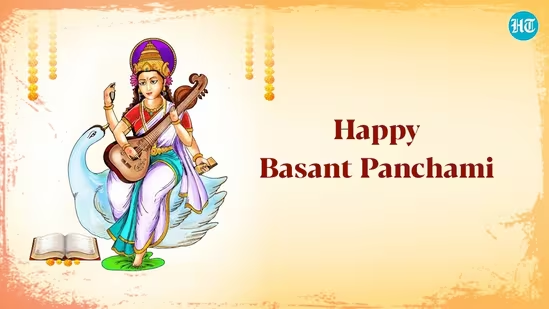
Best Celebration Basant panchmi in 2025
🌼 Basant Panchmi – A Festival of Knowledge, Spring & New Beginnings
Basant Panchmi (also known as Vasant Panchami) is a vibrant and joyful Indian festival that marks the arrival of spring. Celebrated on the fifth day (Panchami) of the month of Magh, this festival holds deep cultural, seasonal, and spiritual significance. The color yellow, symbolizing sunshine, mustard flowers, and happiness, is the highlight of the day.
🌺 Why Basant Panchmi Is Celebrated
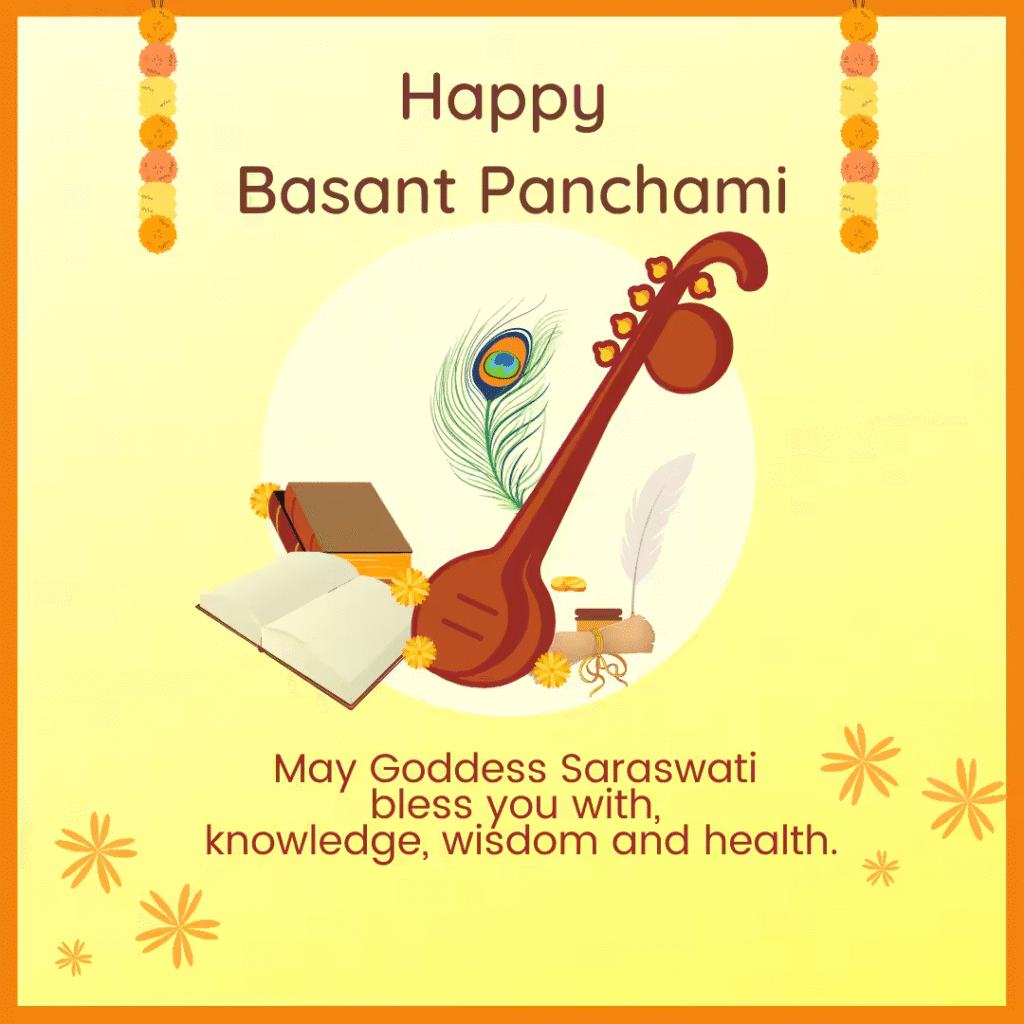
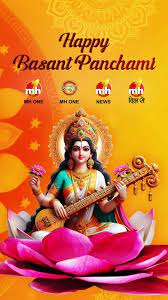
Basant Panchmi is mainly dedicated to Goddess Saraswati, the deity of:
- Knowledge
- Music
- Art
- Wisdom
- Learning
People believe that worshipping Maa Saraswati on this day removes ignorance and blesses them with clarity of mind and success in studies.
🌾 How People Celebrate Basant Panchmi
✨ Wearing yellow clothes
✨ Offering yellow flowers & sweets
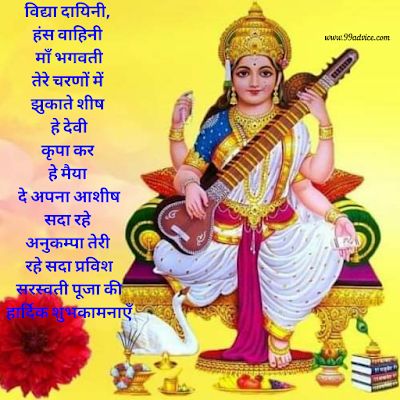
✨ Saraswati Puja in schools & homes
✨ Flying kites in many regions
✨ Eating traditional foods like sweet rice (meetha chawal)
🌹 Symbolism of Yellow
Yellow represents:
- Peace
- Prosperity
- Energy
- Growth
- New beginnings
It is also the color of mustard fields, which bloom beautifully during this season.
📚 Significance for Students
Basant Panchmi is considered the best day to start learning something new—
a new hobby, skill, book, or musical instrument. Many schools organize special pujas to seek blessings of Maa Saraswati.
🌻 A Festival of Nature
This festival marks the time when:
- Winter starts fading
- Birds chirp again
- Flowers bloom
- Trees look fresh
- The weather becomes pleasant
It is truly the celebration of nature’s rebirth.
🌿 Historical Background of Basant Panchmi
The roots of Basant Panchmi date back to ancient India. According to mythology, the day is closely associated with Goddess Saraswati, the divine mother of knowledge, music, arts and wisdom. It is believed that on this day, Maa Saraswati blessed the world with the gift of learning.
Many historical texts mention Basant Panchmi as the day when nature awakens after winter and gives a new sense of life, positivity and hope. The festival also finds mention in the stories of poets and kings who celebrated spring with music, dance and colorful festivities.
🌸 The Spiritual Significance of the Festival
Basant Panchmi is primarily celebrated to honor Goddess Saraswati. People offer prayers seeking blessings for pure knowledge, intelligence, creativity and clarity. Students, teachers and artists consider this day extremely sacred.
Temples and educational institutions conduct Saraswati Puja with devotion. Yellow flowers, prasad and incense sticks are offered to the goddess. It is believed that worshipping Saraswati removes ignorance and brings light to one’s life.
💛 Why The Color Yellow Is Special
The most striking feature of Basant Panchmi is the use of the color yellow. Yellow symbolizes:
- Brightness
- Happiness
- Prosperity
- Energy
- The bloom of mustard fields
People wear yellow clothes, prepare yellow dishes like sweet saffron rice, and decorate their homes with yellow flowers. This color reflects the essence of spring and spreads positivity everywhere.
🌼 Nature’s Transition: The Arrival of Spring
Basant Panchmi marks the end of winter and the beginning of spring. During this time:
- Mustard fields bloom with yellow flowers
- Trees sprout new leaves
- Flowers like marigold, rose, jasmine begin to blossom
- The weather becomes pleasant and refreshing
This change in nature represents new beginnings, making the festival even more meaningful.
📚 Importance of Basant Panchmi for Students
For students, Basant Panchmi is one of the most important days of the year. Many begin:
- A new book
- A new subject
- A new musical instrument
- A new hobby
Schools organize Saraswati Puja and cultural programs. Students place their books, pens, instruments, and notebooks near the idol of Maa Saraswati to seek blessings for academic success.
🕊️ Traditional Rituals Performed on Basant Panchmi
People celebrate Basant Panchmi with devotion and enthusiasm. Common rituals include:
- Saraswati Puja at home and schools
- Offering yellow flowers, fruits and sweets
- Wearing yellow clothes
- Preparing dishes like Khichdi, Kesari Bhaat, Boondi
- Decorating homes with rangoli and flowers
- Flying kites (in regions like Punjab, Haryana & Uttar Pradesh)
The rituals create a sense of unity, devotion and happiness.
🎶 Basant Panchmi and Art, Music & Culture
The festival is deeply connected to art and music. Since Goddess Saraswati is the mother of music and creativity, cultural events are held across India. These include:
- Singing classical ragas such as Raga Basant
- Playing instruments like veena, flute and tabla
- Dance performances in temples and schools
- Poetry recitals and creative competitions
The festival inspires people to appreciate and celebrate artistic expression.
🪁 Kite Festival Tradition on Basant Panchmi
In many states, Basant Panchmi is also celebrated as a Kite Festival. The sky becomes colorful with high-flying kites of different shapes and sizes. People organize friendly kite-flying competitions and enjoy the spirit of spring.
This tradition is especially popular in:
- Punjab
- Haryana
- Rajasthan
- Uttar Pradesh
The cheerful atmosphere brings families and friends together.
👨👩👧 Family Celebrations & Community Activities
Families prepare special meals, visit temples and participate in community pujas. Children enjoy dressing in yellow, participating in cultural programs and flying kites. Communities organize fairs, music events and social gatherings to celebrate the joy of spring.
This togetherness spreads love, harmony and happiness among people.
🌱 Symbol of New Beginnings & Positivity
Basant Panchmi is not just a festival; it is a reminder to start fresh. Just like nature blooms after winter, the festival encourages people to:
- Leave negativity behind
- Begin new tasks
- Embrace learning
- Stay positive and hopeful
It teaches that knowledge and wisdom light the path to a bright future.
🌼 Conclusion
Basant Panchmi is a beautiful festival that blends devotion, culture, nature and joy. It honors Goddess Saraswati, welcomes spring, and inspires new beginnings. With its vibrant yellow theme, pleasant weather and spiritual importance, Basant Panchmi holds a special place in the hearts of people across India.
The festival reminds us that life is full of opportunities and learning. Just as spring brings new blossoms, Basant Panchmi encourages us to grow, learn and shine with positivity.
Why The Color Yellow Is Special
The most striking feature of Basant Panchmi is the use of the color yellow. Yellow symbolizes:
- Brightness
- Happiness
- Prosperity
- Energy
- The bloom of mustard fields
People wear yellow clothes, prepare yellow dishes like sweet saffron rice, and decorate their homes with yellow flowers. This color reflects the essence of spring and spreads positivity everywhere.
🌼 Nature’s Transition: The Arrival of Spring
Basant Panchmi marks the end of winter and the beginning of spring. During this time:
- Mustard fields bloom with yellow flowers
- Trees sprout new leaves
- Flowers like marigold, rose, jasmine begin to blossom
- The weather becomes pleasant and refreshing
This change in nature represents new beginnings, making the festival even more meaningful.
e
🌼 Nature’s Transition: The Arrival of Spring
Basant Panchmi marks the end of winter and the beginning of spring. During this time:
- Mustard fields bloom with yellow flowers
- Trees sprout new leaves
- Flowers like marigold, rose, jasmine begin to blossom
- The weather becomes pleasant and refreshing
This change in nature represents new beginnings, making the festival even more meaningful.
📚 Importance of Basant Panchmi for Students
For students, Basant Panchmi is one of the most important days of the year. Many begin:
- A new book
- A new subject
- A new musical instrument
- A new hobby
Schools organize Saraswati Puja and cultural programs. Students place their books, pens, instruments, and notebooks near the idol of Maa Saraswati to seek blessings for academic success.
🕊️ Traditional Rituals Performed on Basant Panchmi
People celebrate Basant Panchmi with devotion and enthusiasm. Common rituals include:
- Saraswati Puja at home and schools
- Offering yellow flowers, fruits and sweets
- Wearing yellow clothes
- Preparing dishes like Khichdi, Kesari Bhaat, Boondi
- Decorating homes with rangoli and flowers
- Flying kites (in regions like Punjab, Haryana & Uttar Pradesh)
The rituals create a sense of unity, devotion and happiness.
🎶 Basant Panchmi and Art, Music & Culture
The festival is deeply connected to art and music. Since Goddess Saraswati is the mother of music and creativity, cultural events are held across India. These include:
- Singing classical ragas such as Raga Basant
- Playing instruments like veena, flute and tabla
- Dance performances in temples and schools
- Poetry recitals and creative competitions
The festival inspires people to appreciate and celebrate artistic expression.
🪁 Kite Festival Tradition on Basant Panchmi
In many states, Basant Panchmi is also celebrated as a Kite Festival. The sky becomes colorful with high-flying kites of different shapes and sizes. People organize friendly kite-flying competitions and enjoy the spirit of spring.
This tradition is especially popular in:
- Punjab
- Haryana
- Rajasthan
- Uttar Pradesh
The cheerful atmosphere brings families and friends together.
👨👩👧 Family Celebrations & Community Activities
Families prepare special meals, visit temples and participate in community pujas. Children enjoy dressing in yellow, participating in cultural programs and flying kites. Communities organize fairs, music events and social gatherings to celebrate the joy of spring.
This togetherness spreads love, harmony and happiness among people.
🌱 Symbol of New Beginnings & Positivity
Basant Panchmi is not just a festival; it is a reminder to start fresh. Just like nature blooms after winter, the festival encourages people to:
- Leave negativity behind
- Begin new tasks
- Embrace learning
- Stay positive and hopeful
It teaches that knowledge and wisdom light the path to a bright future.
🌼 Conclusion
Basant Panchmi is a beautiful festival that blends devotion, culture, nature and joy. It honors Goddess Saraswati, welcomes spring, and inspires new beginnings. With its vibrant yellow theme, pleasant weather and spiritual importance, Basant Panchmi holds a special place in the hearts of people across India.
The festival reminds us that life is full of opportunities and learning. Just as spring brings new blossoms, Basant Panchmi encourages us to grow, learn and shine with positivity.
You said:
basant panchmi
ChatGPT said:
Here is a beautiful Basant Panchmi description for you — you can tell me if you want more words, headings, images, emojis, or an SEO-optimized 1500–2500 word article.
🌼 Basant Panchmi – A Festival of Knowledge, Spring & New Beginnings
Basant Panchmi (also known as Vasant Panchami) is a vibrant and joyful Indian festival that marks the arrival of spring. Celebrated on the fifth day (Panchami) of the month of Magh, this festival holds deep cultural, seasonal, and spiritual significance. The color yellow, symbolizing sunshine, mustard flowers, and happiness, is the highlight of the day.
🌺 Why Basant Panchmi Is Celebrated
Basant Panchmi is mainly dedicated to Goddess Saraswati, the deity of:
- Knowledge
- Music
- Art
- Wisdom
- Learning
People believe that worshipping Maa Saraswati on this day removes ignorance and blesses them with clarity of mind and success in studies.
🌾 How People Celebrate Basant Panchmi
✨ Wearing yellow clothes
✨ Offering yellow flowers & sweets
✨ Saraswati Puja in schools & homes
✨ Flying kites in many regions
✨ Eating traditional foods like sweet rice (meetha chawal)
🌹 Symbolism of Yellow
Yellow represents:
- Peace
- Prosperity
- Energy
- Growth
- New beginnings
It is also the color of mustard fields, which bloom beautifully during this season.
📚 Significance for Students
Basant Panchmi is considered the best day to start learning something new—
a new hobby, skill, book, or musical instrument. Many schools organize special pujas to seek blessings of Maa Saraswati.
🌻 A Festival of Nature
This festival marks the time when:
- Winter starts fading
- Birds chirp again
- Flowers bloom
- Trees look fresh
- The weather becomes pleasant
It is truly the celebration of nature’s rebirth.
If you want, I can create:
✅ 1000 / 1500 / 2500-word full SEO article
✅ Headings + subheadings (H1, H2, H3)
✅ Images (AI-generated)
✅ Emojis version
✅ School assignment paragraph
Just tell me!
You said:
more headindg,peragraph,1000 words
🌼 Basant Panchmi – Celebration of Spring, Knowledge & Bright Beginnings
Basant Panchmi, also known as Vasant Panchami, is one of the most joyful Indian festivals that marks the arrival of spring. This auspicious day falls on the fifth day (Panchami) of the Hindu month Magh, which usually comes in January or February. The festival has cultural, religious and seasonal significance, making it a cherished celebration across India.
🌿 Historical Background of Basant Panchmi
The roots of Basant Panchmi date back to ancient India. According to mythology, the day is closely associated with Goddess Saraswati, the divine mother of knowledge, music, arts and wisdom. It is believed that on this day, Maa Saraswati blessed the world with the gift of learning.
Many historical texts mention Basant Panchmi as the day when nature awakens after winter and gives a new sense of life, positivity and hope. The festival also finds mention in the stories of poets and kings who celebrated spring with music, dance and colorful festivities.
🌸 The Spiritual Significance of the Festival
Basant Panchmi is primarily celebrated to honor Goddess Saraswati. People offer prayers seeking blessings for pure knowledge, intelligence, creativity and clarity. Students, teachers and artists consider this day extremely sacred.
Temples and educational institutions conduct Saraswati Puja with devotion. Yellow flowers, prasad and incense sticks are offered to the goddess. It is believed that worshipping Saraswati removes ignorance and brings light to one’s life.
💛 Why The Color Yellow Is Special
The most striking feature of Basant Panchmi is the use of the color yellow. Yellow symbolizes:
- Brightness
- Happiness
- Prosperity
- Energy
- The bloom of mustard fields
People wear yellow clothes, prepare yellow dishes like sweet saffron rice, and decorate their homes with yellow flowers. This color reflects the essence of spring and spreads positivity everywhere.
🌼 Nature’s Transition: The Arrival of Spring
Basant Panchmi marks the end of winter and the beginning of spring. During this time:
- Mustard fields bloom with yellow flowers
- Trees sprout new leaves
- Flowers like marigold, rose, jasmine begin to blossom
- The weather becomes pleasant and refreshing
This change in nature represents new beginnings, making the festival even more meaningful.
📚 Importance of Basant Panchmi for Students
For students, Basant Panchmi is one of the most important days of the year. Many begin:
- A new book
- A new subject
- A new musical instrument
- A new hobby
Schools organize Saraswati Puja and cultural programs. Students place their books, pens, instruments, and notebooks near the idol of Maa Saraswati to seek blessings for academic success.
🕊️ Traditional Rituals Performed on Basant Panchmi
People celebrate Basant Panchmi with devotion and enthusiasm. Common rituals include:
- Saraswati Puja at home and schools
- Offering yellow flowers, fruits and sweets
- Wearing yellow clothes
- Preparing dishes like Khichdi, Kesari Bhaat, Boondi
- Decorating homes with rangoli and flowers
- Flying kites (in regions like Punjab, Haryana & Uttar Pradesh)
The rituals create a sense of unity, devotion and happiness.
🎶 Basant Panchmi and Art, Music & Culture
The festival is deeply connected to art and music. Since Goddess Saraswati is the mother of music and creativity, cultural events are held across India. These include:
- Singing classical ragas such as Raga Basant
- Playing instruments like veena, flute and tabla
- Dance performances in temples and schools
- Poetry recitals and creative competitions
The festival inspires people to appreciate and celebrate artistic expression.
🪁 Kite Festival Tradition on Basant Panchmi
In many states, Basant Panchmi is also celebrated as a Kite Festival. The sky becomes colorful with high-flying kites of different shapes and sizes. People organize friendly kite-flying competitions and enjoy the spirit of spring.
This tradition is especially popular in:
- Punjab
- Haryana
- Rajasthan
- Uttar Pradesh
The cheerful atmosphere brings families and friends together.
👨👩👧 Family Celebrations & Community Activities
Families prepare special meals, visit temples and participate in community pujas. Children enjoy dressing in yellow, participating in cultural programs and flying kites. Communities organize fairs, music events and social gatherings to celebrate the joy of spring.
This togetherness spreads love, harmony and happiness among people.
🌱 Symbol of New Beginnings & Positivity
Basant Panchmi is not just a festival; it is a reminder to start fresh. Just like nature blooms after winter, the festival encourages people to:
- Leave negativity behind
- Begin new tasks
- Embrace learning
- Stay positive and hopeful
It teaches that knowledge and wisdom light the path to a bright future.
🌼 Conclusion
Basant Panchmi is a beautiful festival that blends devotion, culture, nature and joy. It honors Goddess Saraswati, welcomes spring, and inspires new beginnings. With its vibrant yellow theme, pleasant weather and spiritual importance, Basant Panchmi holds a special place in the hearts of people across India.
The festival reminds us that life is full of opportunities and learning. Just as spring brings new blossoms, Basant Panchmi encourages us to grow, learn and shine with positivity.
If you want, I can also crea
Basant Panchmi – The Festival of Spring, Knowledge and New Beginnings
Basant Panchmi, also known as Vasant Panchami, is a vibrant and culturally rich festival celebrated across India. It marks the arrival of spring, a season that symbolizes new beginnings, growth, and hope. Observed on the fifth day of the Hindu month Magh, this festival carries deep spiritual, environmental, and cultural significance. People celebrate it with devotion to Goddess Saraswati, the goddess of knowledge, art, and wisdom.
Historical Importance of Basant Panchmi
The festival of Basant Panchmi has been celebrated since ancient times. Many historical texts and scriptures describe this day as the moment when nature begins to bloom after the cold winter. According to Hindu mythology, Basant Panchmi is believed to be the day when Goddess Saraswati first appeared and blessed the world with knowledge and learnin