
Celebrate of Diwali 2025
Introduction: Why Festival of Lights Is More Than Just a Festival
Diwali – also known as Deepavali – is one of the most widely celebrated festivals in India and around the world. Rooted in ancient traditions and cultural symbolism, Diwali represents the victory of light over darkness, good over evil, and knowledge over ignorance. While many see Diwali as a religious occasion, it is equally a cultural, social, and emotional experience that brings families, friends, and communities together.
In today’s digital age, Diwali has also become a major global event with economic and social impact. From online shopping festivals and marketing campaigns to eco-friendly celebrations and virtual events, Diwali continues to evolve with time while preserving its deep heritage.
This comprehensive guide explores the origin, significance, rituals, celebrations, gift ideas, décor tips, business trends, and modern lifestyle influence of Diwali. Whether you’re a student, writer, marketer, or simply interested in Indian culture, this 2500+ word article provides everything you need to know.
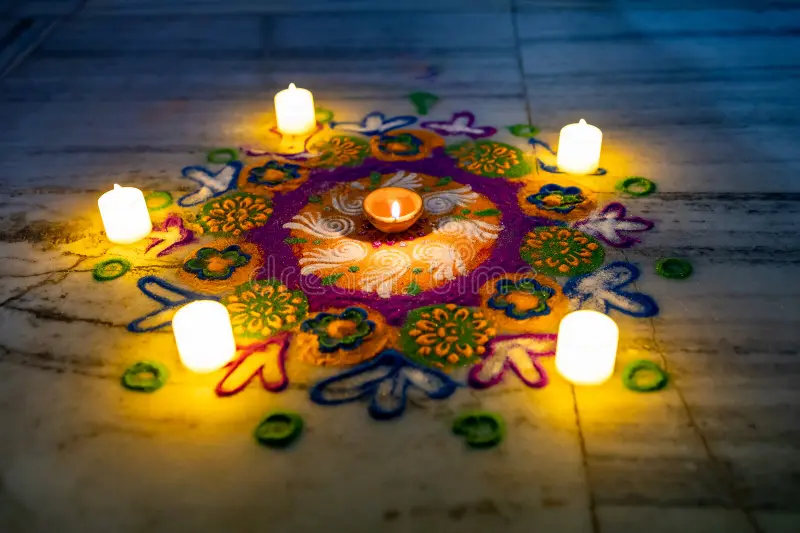
🌟 What Is Diwali? Meaning, Origin & Cultural Importance
Meaning of Deepavali
The word “Deepavali” comes from the Sanskrit words:
- Deepa = light
- Avalih = row
So, Deepavali literally means “a row of lights.”
Across India and other parts of the world, people illuminate their homes with oil lamps, candles, and decorative lights to symbolize the triumph of light over darkness.
Where Is Diwali Celebrated?
it is celebrated in:
🇮🇳 India
🇳🇵 Nepal
🇱🇰 Sri Lanka
🇲🇾 Malaysia
🇸🇬 Singapore
🇲🇺 Mauritius
🇫🇯 Fiji
and by the Indian diaspora worldwide.
When it is Celebrated?
Diwali usually falls in October or November, depending on the Hindu lunar calendar. It marks the culmination of the harvest season and is linked with several mythological events.
📜 The Origins and Mythological Stories of Lights Festival
Diwali is not linked to just one story—it has different meanings in different Indian cultures.
1. The Return of Lord Rama to Ayodhya
Perhaps the most popular narrative comes from the Ramayana.
After 14 years in exile and defeating the demon king Ravana, Lord Rama returns to Ayodhya. The people of Ayodhya lit lamps to welcome their beloved king—this became the tradition of lighting diyas.
2. Goddess Lakshmi’s Birth and Marriage
In many regions, Diwali honors Goddess Lakshmi, the deity of wealth and prosperity. It is believed that she emerged during the Samudra Manthan (churning of the ocean). Diwali marks her marriage to Lord Vishnu.
3. Victory of Lord Krishna over Narakasura
In South India, Naraka Chaturdashi is celebrated to commemorate Lord Krishna’s victory over the demon Narakasura, symbolizing the triumph of good over evil.
4. Sikh Significance: Bandi Chhor Divas
For Sikhs, Diwali marks the return of Guru Hargobind Ji to Amritsar after being freed from imprisonment along with 52 kings.
5. Jain Tradition: Nirvana of Lord Mahavira
For Jains, Diwali marks the liberation (Nirvana) of Lord Mahavira.
6. The Arya Samaj Connection
Swami Dayanand Saraswati, founder of Arya Samaj, attained Moksha on Diwali.
This rich diversity of stories makes Diwali one of the most inclusive festivals in the world.
🪔 How Is Celebrated: Rituals & Cultural Practices
Diwali is celebrated across five days, each with its own rituals and significance.
🗓 Day 1: Dhanteras
The festival begins with Dhanteras, a day associated with health, prosperity, and the worship of Lord Dhanvantari.
Traditions include:
✔ Buying gold, silver, or new utensils (believed to bring good fortune)
✔ Cleaning and decorating homes
✔ Beginning festive shopping
SEO Keywords: Dhanteras rituals, what to buy on Dhanteras, significance of Dhanteras.
🗓 Day 2: Naraka Chaturdashi
This day celebrates Lord Krishna’s victory over Narakasura.
Activities include:
✔ Early morning oil bath
✔ Creating rangoli designs
✔ Lighting the first diyas
✔ Preparing special sweets and snacks
🗓 Day 3: Lakshmi Puja
This is the most important day of Diwali.
Key rituals:
🪔 Lakshmi Puja
✨ Lighting diyas and candles everywhere
🎆 Bursting crackers (many shifting to eco-friendly options)
🍬 Sharing sweets and gifts
🎉 Family gatherings and feasts
The belief is that Goddess Lakshmi visits clean, well-lit homes.
LSI Keywords: Lakshmi puja vidhi, Diwali puja muhurat, significance of lighting diyas.
🗓 Day 4: Govardhan Puja / Annakut
This day honors the incident when Lord Krishna lifted Govardhan Mountain to protect villagers from torrential rain.
People prepare large quantities of food (Annakut) to offer at temples.
🗓 Day 5: Bhai Dooj
This day celebrates the beautiful bond between brothers and sisters.
Rituals include:
💗 Sisters performing aarti for their brothers
🎁 Exchanging gifts
🙏 Praying for longevity and well-being
🏡 Home Décor Ideas: Traditional to Modern
Home decoration is a highlight of Diwali. It not only beautifies living spaces but also creates a festive, positive environment.
1. Rangoli Designs
Beautiful rangolis made from:
- Colored powders
- Flowers
- Rice flour
- Diyas
- Mandala patterns
2. Lighting
Diwali décor revolves around lighting.
Ideas include:
🕯 Floating candles
🪔 Traditional earthen lamps
🌟 LED fairy lights
🍃 Eco-friendly bamboo lanterns
🎨 Hand-painted lamps
3. Torans and Door Hangings
Marigold flowers, mango leaves, and bead garlands are placed at entrances to welcome positivity.
4. Minimalist Modern Decoration
- Warm golden lights
- Brass décor items
- Neutral-toned rangolis
- Indoor plants
- Abstract art diyas
🎁 Popular Gifts: For Family, Friends & Corporate Gifting
Gift-giving strengthens relationships during Diwali.
Here are trending Diwali gift ideas:
Traditional Gifts
- Sweets & dry fruits
- Diyas, candles, incense
- Clothes
- Religious idols (Lakshmi–Ganesha)
Modern Gifts
- Personalized gifts (photo frames, custom hampers)
- Smart gadgets
- Luxury chocolates
- Perfumes and skincare
Corporate Gifts
- Desk accessories
- Branded gift hampers
- Eco-friendly gifts
- Gift cards or vouchers
🍽 Food: Sweets, Snacks & Traditional Dishes
Food is the heart of the Diwali celebration.
Popular Sweets
🍬 Ladoo
🍬 Kaju Katli
🍬 Gulab Jamun
🍬 Rasgulla
🍬 Soan Papdi
🍬 Jalebi
Savory Snacks
🥟 Samosa
🥟 Kachori
🥟 Chakli
🥟 Namak Pare
🥟 Mathri
Regional Specialties
- North India: Chole Bhature, Aloo Puri
- South India: Murukku, Payasam
- West India: Shankarpali, Basundi
- East India: Sandesh, Malpua
🧹 Why House Cleaning Is Important: Spiritual & Practical Reasons
Cleaning is an essential Diwali tradition linked to purification and creating space for new energy.
Beliefs include:
✔ Goddess Lakshmi prefers clean homes
✔ Removing negativity and dirt welcomes prosperity
✔ Decluttering improves mental and emotional clarity
Popular cleaning tasks:
🧽 Decluttering wardrobes
🧹 Deep cleaning kitchens
🚿 Washing curtains, bedsheets
🪟 Polishing metal and silver items
🎨 Repainting walls
🌱 Eco-Friendly : A Modern Movement
With rising awareness, many people are adopting sustainable Diwali practices.
Eco-friendly celebration ideas:
🌿 Use clay diyas instead of plastic lights
🌿 Choose biodegradable rangoli colors
🌿 Switch to organic sweets
🌿 Avoid loud and chemical-based firecrackers
🌿 Reuse décor items
🌿 Gift plants or eco-friendly products
Such practices reduce pollution while keeping the festive spirit alive.
🧿 Vastu Shastra: Attracting Prosperity
Some Vastu tips believed to bring positivity:
- Light a diya in the north-east corner of your home
- Keep the entrance clean and illuminated
- Add fresh flowers to living spaces
- Place Lakshmi–Ganesha idols facing each other
💼 Economic Impact of : Markets, Shopping & Business Trends
Diwali is not only cultural but also a major economic event:
- The retail sector sees massive sales
- E-commerce platforms launch festive sales
- Real estate receives increased investment
- Automobile and electronics sales peak
- Small businesses thrive on festive orders
Businesses use Diwali for marketing through:
🎯 Festive discounts
🎯 Brand campaigns
🎯 Influencer promotions
🎯 Festive packaging
📱 Digital Age: Social Media & Virtual Celebrations
The modern generation experiences Diwali both physically and digitally.
Social Media Trends
- Instagram reels of rangoli designs
- YouTube vlogs of Diwali decorations
- WhatsApp greetings
- Brand collaborations with creators
Virtual Celebrations
During recent years, people also celebrated through:
💻 Online family gatherings
🪔 Virtual aarti sessions
🎉 Digital gifting
🙏 Spiritual Significance
Beyond rituals and festivities, Diwali conveys deeper spiritual messages:
- Light represents the soul
- Darkness represents ignorance
- The illuminated lamp symbolizes inner awakening
- Letting go of negativity
- Embracing new beginnings
The lighting of diyas inspires self-reflection and mindfulness.
✨ Messages, Wishes & Quotes (SEO-Friendly)
Here are some evergreen Diwali wishes you can use:
Short Wishes
- “Wishing you a Diwali filled with joy, prosperity, and light.”
- “May this Diwali bring happiness and success to your life.”
Long Wishes
- “May the festival of lights illuminate your life with blessings, positivity, and endless joy. Happy Diwali!”
SEO Keywords:
wishes,greetings, Happy quotes, Best messages.
📝 Tips for Writing Content (Bonus Section)
If you want to write content that ranks well on Google during Diwali season, follow these tips:
1. Use Seasonal Keywords
Examples:
- Diwali 2025
- Diwali decoration ideas
- Diwali shopping sale
- Diwali rangoli designs
- Eco-friendly Diwali tips
2. Add Long-Tail Keywords
- “How to celebrate Diwali at home sustainably”
- “Best Diwali gifts for employees”
3. Use High-Quality, Original Images
Prefer your own photographs or copyright-free images.
4. Answer User Intent
Google rewards helpful, detailed content (like this article).
5. Include FAQs
FAQs improve snippet ranking.
❓ FAQs
1. What is the significance ?
It symbolizes the victory of light over darkness and good over evil.
2. Why do we light diyas ?
To honor the return of Lord Rama and to welcome positivity into our homes.
3. What food is prepared ?
Sweets like ladoos, jalebi, barfi, and savory snacks like chakli and samosa.
4. Is Diwali a public holiday?
Yes, Diwali is a major holiday in India and several other countries.
5. How can we celebrate an eco-friendly ?
Use biodegradable décor, avoid crackers, and adopt low-waste practices.
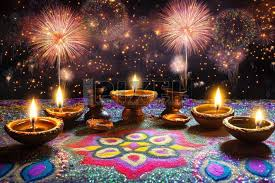
🪔 Why “Diva / Diya” Is Used – A Complete 1000+ Word Explanation
Diwali, also known as Deepavali, is widely celebrated as the Festival of Lights, and the most iconic symbol of this festival is the diva or diya—a small oil lamp made of clay. This simple, beautiful lamp holds deep cultural, spiritual, and symbolic meaning that goes far beyond decoration.
To understand why the diva is so important during Diwali, we must explore its history, symbolism, and significance deeply.
🌟 1. The Meaning of “Diva / Diya”
A diya (also pronounced diva, deepa, or deepak in different regions) is:
- A small, usually handmade clay lamp
- Filled with oil or ghee (clarified butter)
- Lit using a cotton wick
In ancient times, diyas were the primary source of lighting. But during Diwali, they are not lit for light alone—they are lit for spiritual illumination.
🌺 2. Symbolic Significance of the Diya
The diya represents many beautiful ideas:
🌞 Light Over Darkness
The most important symbolism is the victory of light over darkness.
Darkness means:
- Ignorance
- Negative thoughts
- Fear
- Confusion
- Uncertainty
Light means:
- Knowledge
- Wisdom
- Clarity
- Positivity
- Hope
Lighting a diya is a way of welcoming positivity and removing negativity.
🕊 The Inner Light of the Soul
In spiritual traditions, the flame represents the soul inside every human being, which always stays pure regardless of outer circumstances.
When we light a diya:
- We honor the divine spark within us
- We awaken our inner wisdom
- We remind ourselves of our spiritual purpose
This is why many people meditate or pray near diyas during Diwali.
🔥 Burning Away the Ego
There is a beautiful symbolism:
- The wick is the ego
- The oil is our negative tendencies
- The flame represents divine knowledge
As the wick burns, it symbolically burns the ego and impurities.
👼 Welcoming Goddess Lakshmi
According to tradition, Goddess Lakshmi—the deity of wealth, fortune, and prosperity—visits homes that are:
- Clean
- Pure
- Bright
- Welcoming
By lighting diyas indoors and outdoors, we welcome the goddess and invite prosperity into our lives.
🌙 3. Historical Importance of Diyas
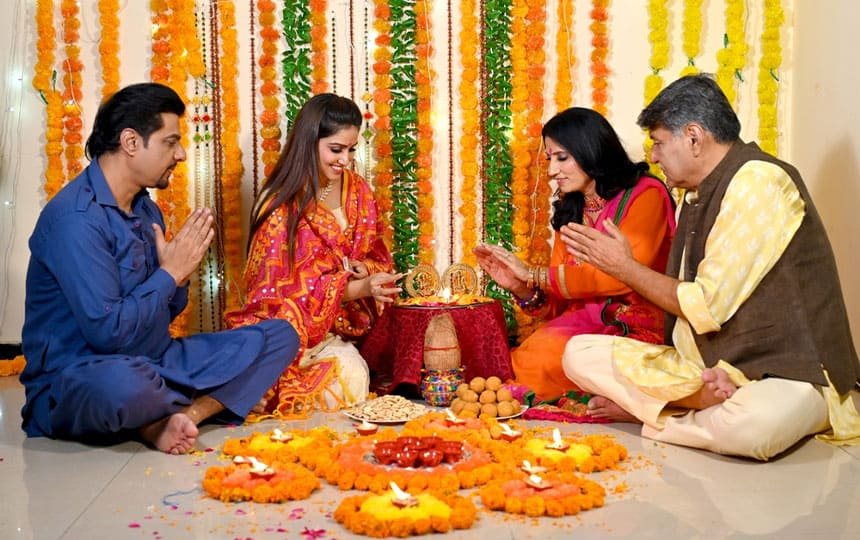
The Return of Lord Rama
The most famous story behind Diwali is from the Ramayana.
After 14 years of exile and defeating the demon king Ravana, Lord Rama returned to Ayodhya.
People welcomed him by lighting thousands of oil lamps, turning the entire city into a sea of light.
This tradition continues today through diyas.
The Birth of Goddess Lakshmi
Some scriptures say Goddess Lakshmi emerged from the ocean during the Samudra Manthan (churning of the sea).
People celebrate this by lighting lamps to honor and welcome her.
Lord Krishna and Narakasura
In South Indian traditions, Diwali marks the defeat of the demon Narakasura by Lord Krishna.
Diyas were lit to celebrate the end of darkness and evil.
Jain and Sikh Traditions
- Jains light diyas to honor the Nirvana (liberation) of Lord Mahavira.
- Sikhs celebrate Bandi Chhor Divas, lighting lamps to welcome Guru Hargobind Sahib back to Amritsar.
The diya, therefore, has meaning across multiple religions.
🌿 4. Why We Still Use Diyas in Modern Times
Even though we have LED lights today, diyas are still used because:
🧘 They create a sacred atmosphere
A clay lamp has a warm, spiritual glow that electric lights cannot replicate.
🌼 Earth connection
Clay lamps are natural, eco-friendly, and biodegradable.
🪔 A symbol of tradition
Using diyas connects us to ancestors and ancient Indian heritage.
👪 Family bonding
Painting, decorating, and lighting diyas is a joyful activity, especially for children.
💰 Symbol of prosperity
Diyas are believed to bring wealth, good luck, and positivity.
✨ 5. Types of Diyas
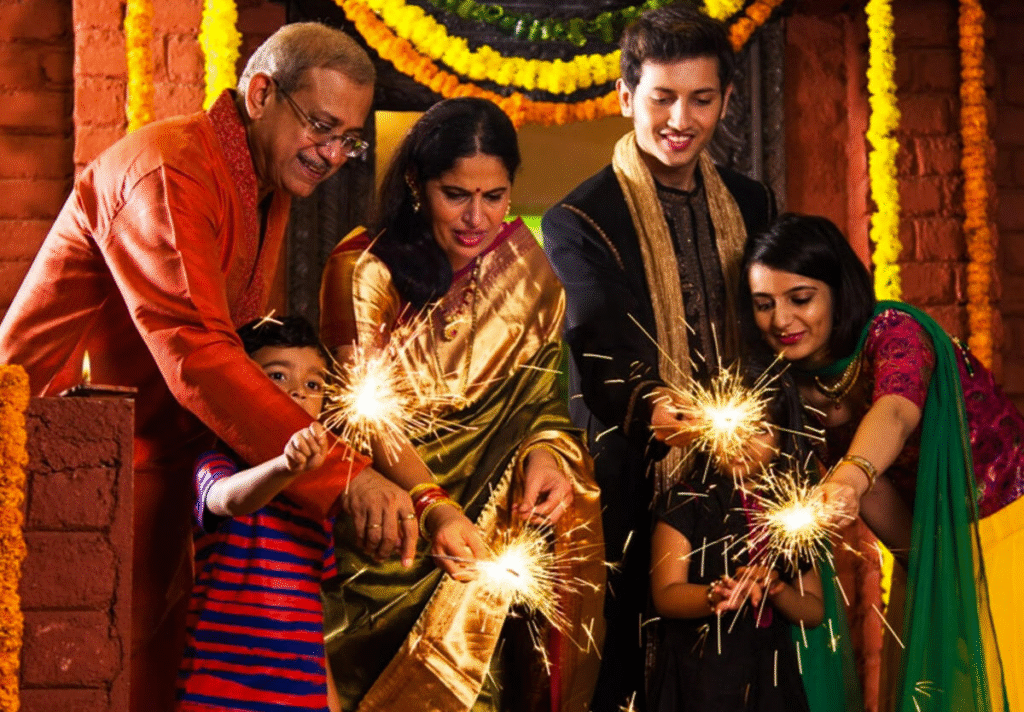
There are many interesting varieties:
🪔 Traditional Clay Diyas
Handmade, rustic, simple.
🎨 Decorative Diyas
Painted with bright colors, glitter, stones, and patterns.
🌿 Eco-Friendly Diyas
Made from cow dung, natural clay, or biodegradable materials.
🥥 Unique Diyas
Made from coconut shells, terracotta, brass, or even flowers.
🕯 Floating Diyas
Used in bowls of water for décor.
Each kind adds beauty and meaning to the festive environment.
🎉 6. Why Hundreds of Diyas
Lighting multiple diyas is not just for beauty—it has deeper symbolism:
- Every diya represents a prayer
- Every flame represents a wish for prosperity
- Rows of lights represent unity
In some places, entire villages light thousands of diyas together, creating magical displays symbolizing collective harmony.
🌟 7. Diya in Different Languages
- Hindi: Diya / Deepak / Deep
- Marathi: Diva
- Gujarati: Divo
- Tamil: Deepam
- Telugu: Deepam / Deepalu
- Malayalam: Deepam
- Kannada: Deepa / Deepa Jyoti
So “diva” is not wrong—it is a regional pronunciation for diya.
🌸 8. Additional 400+ Words of Extra Content (As Requested)
Diwali Beyond Rituals: A Festival of Emotions
For many families, Diwali marks the beginning of:
- New business ventures
- Renewed relationships
- Fresh commitments
- Dreams and goals
People exchange gifts to show affection, decorate homes to welcome joy, and share food to spread happiness.
This emotional bonding is the true heart of Diwali.
The Role of Food During Diwali
Traditional sweets like:
- Ladoo
- Barfi
- Kaju katli
- Gujiya
- Chakli
- Murukku
symbolize sweetness and good fortune.
Food becomes a way of expressing love and celebrating abundance.
Cultural Bridge
Around the world, Diwali unites:
- Hindus
- Sikhs
- Jains
- Buddhists
- And even people from non-Indian cultures
It has become a global symbol of hope, light, and positivity.
ModernTrends
People now enjoy:
- Smart lighting
- Minimalist decoration
- Organic sweets
- Eco-friendly celebrations
- DIY décor ideas
- Online gifting
Yet the diya remains the timeless heart of the festival.
🌟 Conclusion: Why the Diva (Diya) Is Essential
A diya is more than an object—it is a symbol, a ritual, a prayer, and a philosophy of life.
It teaches us:
- Even a small flame can remove darkness
- Hope is stronger than fear
- Goodness always prevails
- Inner light is eternal
- Positivity spreads from one soul to another
This is why the diva / diya continues to shine at the core of Diwali, generation after generation.