
Introduction: Unlock Your Potential with Free Learning Resources in 2026
Education has always been the key to unlocking opportunities, shaping careers, and transforming lives. But in the past, quality learning often came with a high price tag—expensive textbooks, tuition fees, or costly coaching classes. Thankfully, the digital age has revolutionized the way we learn, making knowledge more accessible than ever before. Today, students have the world at their fingertips. From interactive courses to engaging video lessons, from coding tutorials to language apps, the internet offers a treasure trove of free learning resources that can empower students to reach their full potential.
Whether you are a high school student preparing for board exams, an undergraduate looking to enhance your career prospects, or a lifelong learner exploring new interests, free online resources provide a level playing field. They allow you to learn at your own pace, according to your own schedule, and from anywhere in the world. No matter your background or budget, you can now access knowledge that was once confined to prestigious universities or elite coaching centers.

The beauty of free learning platforms is that they combine flexibility, interactivity, and innovation. Many of these platforms go beyond rote memorization—they teach practical skills, foster critical thinking, and encourage creativity. Imagine learning coding through hands-on exercises, mastering a new language with gamified lessons, or understanding complex scientific concepts through animated videos—all without spending a single rupee.
Moreover, these resources are perfectly suited for the modern student lifestyle. With busy schedules, part-time jobs, internships, and extracurricular activities, it can be challenging to keep up with traditional learning methods. Free online platforms allow students to learn in small, manageable sessions, turning even 15–20 minutes a day into significant progress over time.
In 2026, the future of learning is inclusive, accessible, and personalized. Students no longer have to wait for classroom lectures or expensive coaching to gain knowledge. Instead, they can take control of their learning journey, explore new subjects, develop practical skills, and even prepare for global opportunities—all for free.
In this guide, we’ll explore the top 10 free learning resources for students that you absolutely cannot miss. For each platform, we will discuss its features, benefits, and tips on how to use it effectively. By the end of this guide, you’ll have a comprehensive roadmap for leveraging free online tools to enhance your education, boost your skills, and stay ahead in a competitive world.
Whether your goal is to excel academically, master a skill, or simply satisfy your curiosity, these resources will empower you to learn smarter, faster, and more efficiently. So, let’s dive in and discover the platforms that can transform your learning journey in 2026!
Top 10 Free Learning Resources for Students You Can’t Miss in 2026
In today’s fast-paced digital world, education is no longer confined to classrooms. With the power of the internet, students have access to countless free learning resources that can elevate their skills, knowledge, and career prospects. Whether you are a high school student, an undergraduate, or someone seeking to learn new skills, these platforms provide opportunities for growth without burning a hole in your pocket.
In this guide, we’ll explore the top 10 free learning resources for students in 2026, along with practical tips on how to use them effectively.
1. Khan Academy – Your All-in-One Learning Hub
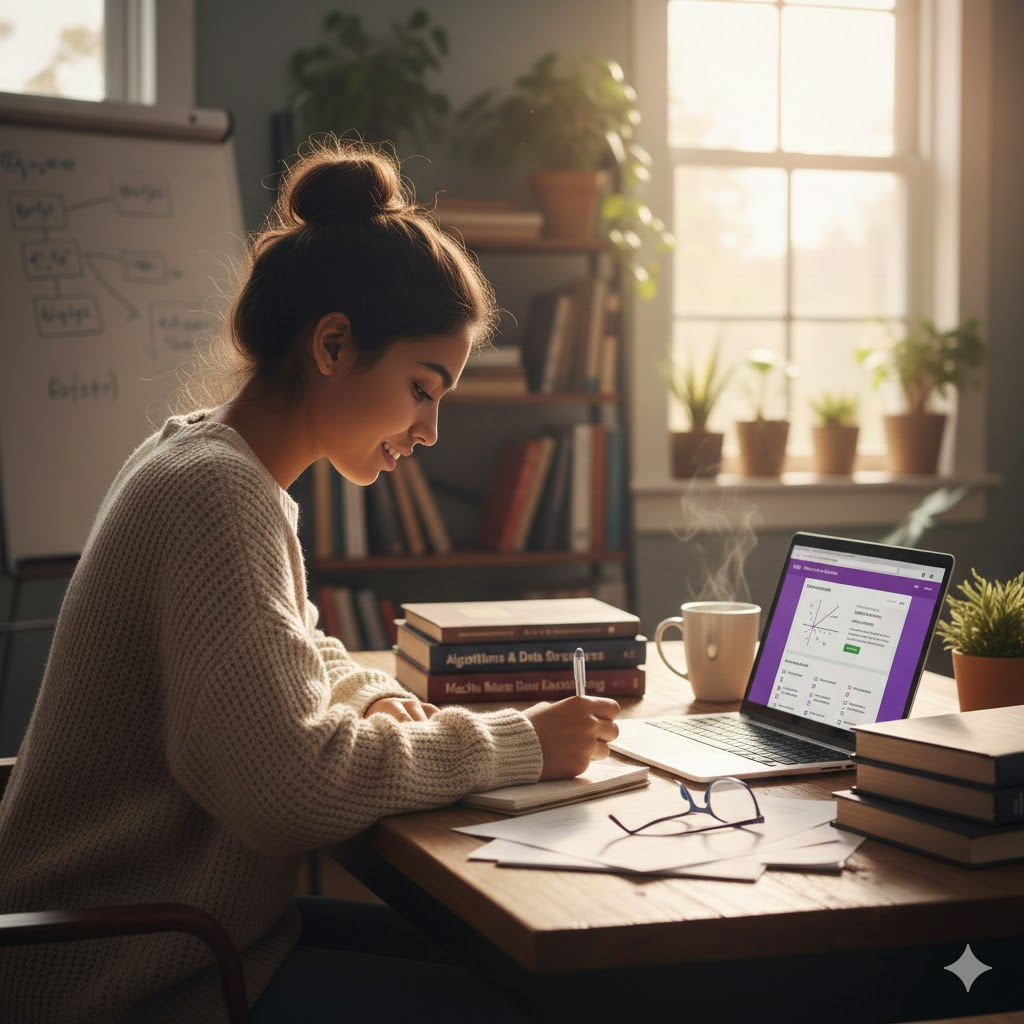
Khan Academy has become synonymous with free education. From math and science to history and art, it covers almost every subject you can think of. Its structured curriculum is ideal for students looking to strengthen their foundation in school subjects or explore advanced topics.
Why Khan Academy is a Must for Students:
- Interactive Learning: Lessons come with videos, quizzes, and exercises.
- Self-Paced: Students can learn at their own speed, revisiting tough topics anytime.
- Personalized Dashboard: Tracks progress and recommends topics based on your performance.
How Students Can Maximize It:
- Use it for exam preparation: SAT, AP, or other competitive exams.
- Incorporate daily exercises to build consistent learning habits.
- Join the Khan Academy community to get tips and motivation.
Khan Academy is especially great for visual learners who benefit from video-based explanations.
2. Coursera – Free Courses from Top Universities
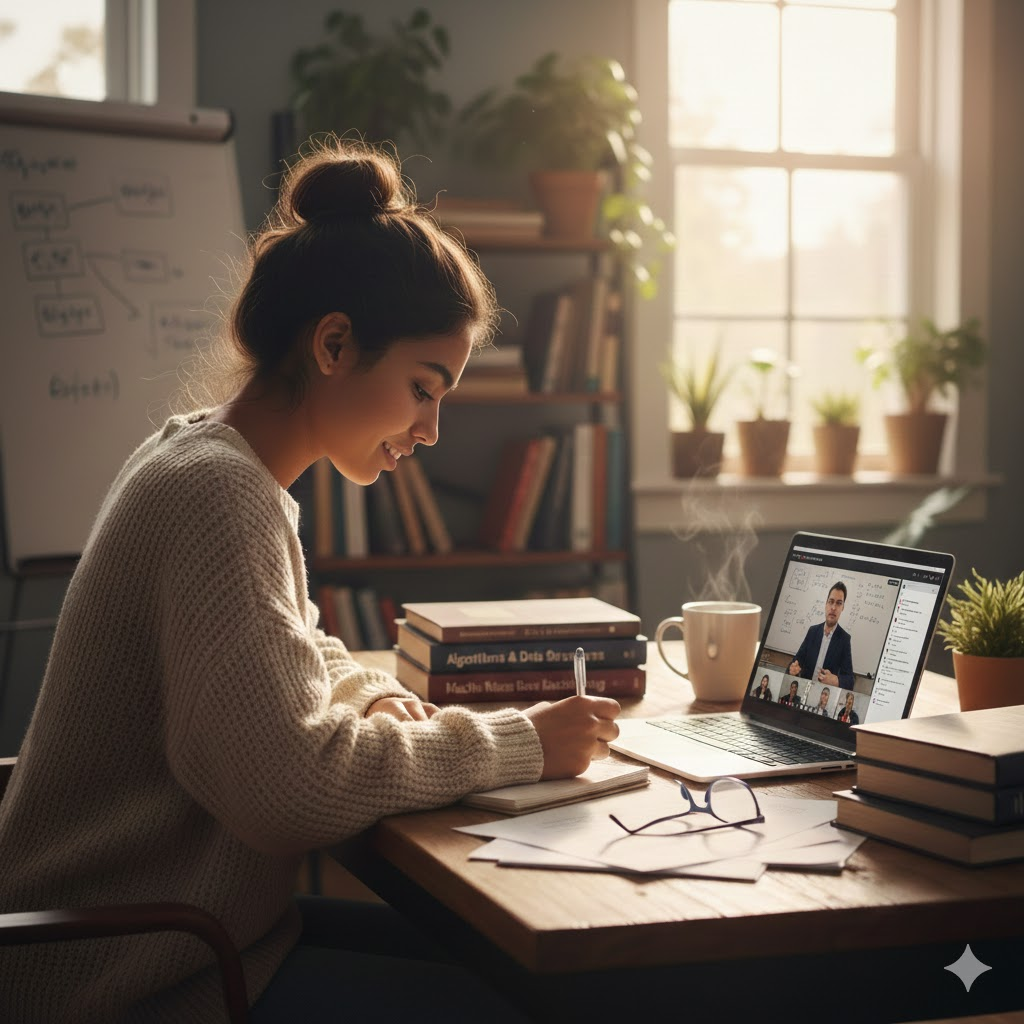
Coursera partners with prestigious universities like Stanford, Yale, and Princeton to offer online courses for free (audit mode). From computer science to humanities, it has a course for every interest.
Key Features:
- Free Auditing Option: Learn course material for free without a certificate.
- Diverse Topics: Coding, psychology, business, art, and more.
- Professional Learning: Some courses offer career-aligned skills and hands-on projects.
Tips for Students:
- Start with beginner-friendly courses and gradually move to advanced ones.
- Use discussion forums to interact with other learners and clarify doubts.
- Schedule weekly learning sessions to maintain consistency.
Coursera bridges the gap between traditional education and real-world skills.
3. edX – University-Level Learning for Free
edX is another excellent platform offering free courses from universities like MIT and Harvard. It is perfect for students who want a structured, high-quality learning experience.
Highlights:
- Professional Certificates: While paid certificates exist, the course content can be accessed for free.
- MicroMasters Programs: Ideal for students looking to specialize in a field.
- Wide Range of Subjects: STEM, business, humanities, and more.
Pro Tips for Students:
- Combine courses from edX with practical projects to apply knowledge.
- Take notes while watching lectures to improve retention.
- Join study groups online to discuss challenging concepts.
With edX, students get exposure to rigorous university-level education without the tuition fees.
4. Duolingo – Learn Languages the Fun Way
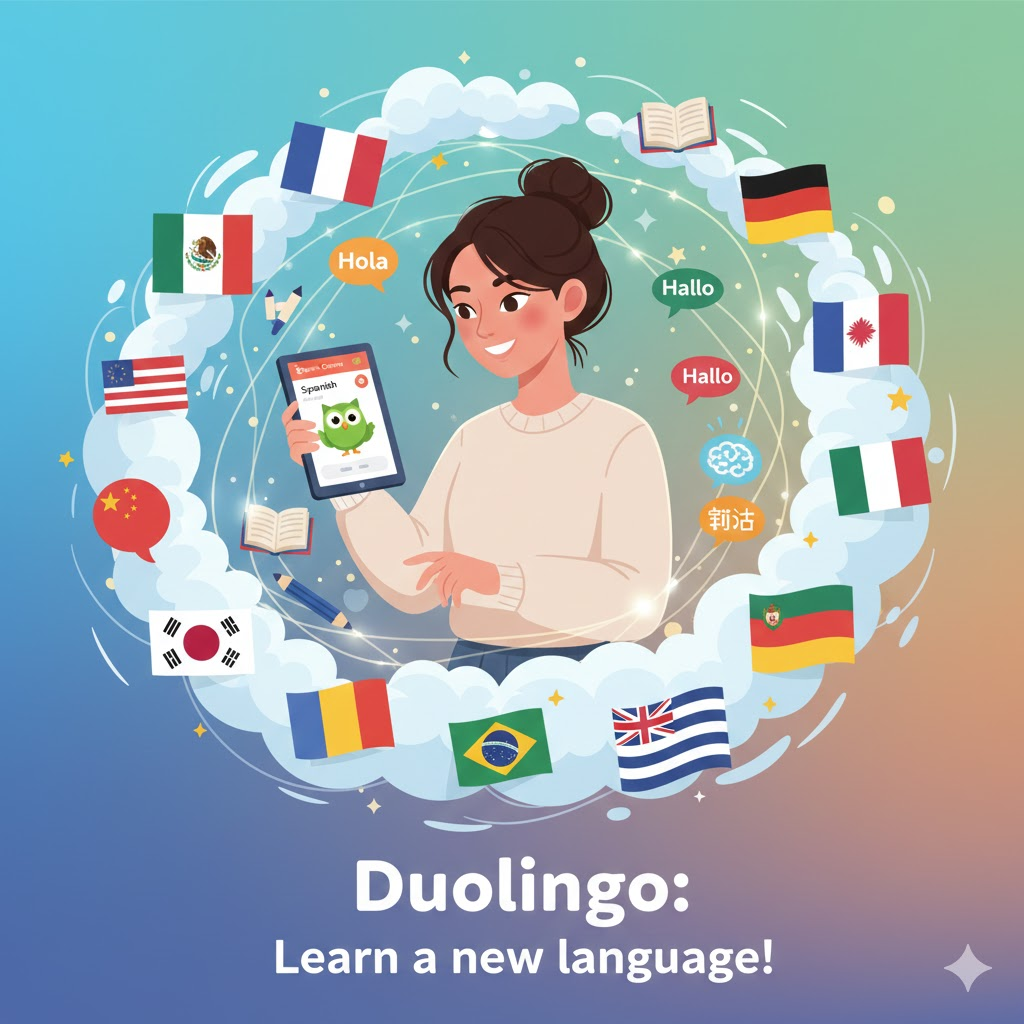
Language learning is crucial for global opportunities, and Duolingo makes it simple and entertaining. Students can learn languages ranging from Spanish and French to Japanese and Hindi.
What Makes Duolingo Special:
- Gamified Learning: Points, levels, and streaks make learning addictive.
- Short Lessons: Perfect for students with busy schedules.
- Speech and Listening Practice: Improves pronunciation and comprehension.
How Students Can Benefit:
- Dedicate 10–15 minutes daily to build consistency.
- Pair with language exchange apps to practice speaking with native speakers.
- Use it to prepare for language exams or international studies.
Learning a new language with Duolingo can open doors for global internships, travel, and higher education.
5. MIT OpenCourseWare – Free Access to Top-Tier University Knowledge
MIT OpenCourseWare (OCW) provides free lecture notes, exams, and videos from MIT courses. It’s ideal for students who want to challenge themselves with advanced topics.
Advantages:
- High-Quality Content: Material from one of the world’s leading universities.
- No Enrollment Needed: Access courses anytime without registration.
- Diverse Subjects: Engineering, mathematics, management, and more.
Tips for Students:
- Choose courses relevant to your major or future career goals.
- Supplement MIT OCW learning with YouTube tutorials or online communities.
- Set a personal syllabus to stay disciplined while self-learning.
MIT OCW is perfect for highly motivated students aiming for deep understanding and mastery.
6. Codecademy – Learn Coding for Free
Coding is an essential skill in today’s digital era, and Codecademy offers free courses to learn programming languages like Python, JavaScript, and HTML/CSS.
Why Codecademy Stands Out:
- Interactive Learning: Students write code in-browser with instant feedback.
- Beginner-Friendly: Step-by-step tutorials make coding less intimidating.
- Free Tier Available: Access many fundamental courses at no cost.
How Students Can Make the Most of It:
- Practice coding daily, even for 15–20 minutes.
- Combine learning with small projects, like building a personal website.
- Join coding communities for collaboration and guidance.
With Codecademy, students not only learn to code but also develop problem-solving and logical thinking skills.
7. TED-Ed – Lessons That Inspire and Educate
TED-Ed brings animated lessons from experts around the world directly to students. From science and history to psychology, it’s engaging and thought-provoking.
Benefits:
- Short Lessons: Perfect for a 10-minute knowledge boost.
- Critical Thinking: Lessons often challenge assumptions and promote inquiry.
- Creative Learning: Visual storytelling makes learning enjoyable.
Tips for Students:
- Watch TED-Ed videos for topics outside your syllabus to broaden perspective.
- Discuss videos with peers or teachers to deepen understanding.
- Use them for assignments, presentations, or inspiration for projects.
TED-Ed makes learning not only educational but also inspirational.
8. OpenStax – Free Textbooks for Every Student
College textbooks can be expensive, but OpenStax provides peer-reviewed, openly licensed textbooks for free. Subjects include physics, chemistry, biology, economics, and more.
Why OpenStax Is Essential:
- High-Quality Content: Written by experts and professors.
- Accessible Anywhere: Digital versions are free and printable.
- Aligned with Curriculum: Many textbooks align with standard college syllabi.
Student Tips:
- Use OpenStax as your primary study material or as a supplement.
- Pair textbooks with video tutorials for better understanding.
- Highlight important concepts and make personalized notes.
OpenStax ensures students can access knowledge without financial burden, leveling the educational playing field.
9. YouTube Education Channels – Learn Anything Visually
YouTube is a goldmine of educational content. Channels like CrashCourse, Veritasium, Khan Academy, and 3Blue1Brown provide free lessons in a visually engaging format.
Benefits:
- Free and Accessible: Available on mobile, desktop, or tablet.
- Variety of Subjects: Math, science, art, history, psychology, and more.
- Practical Demonstrations: Visual explanations make complex topics easier.
How Students Can Optimize Learning:
- Create playlists for specific subjects to organize content.
- Pause and replay videos to ensure understanding.
- Combine YouTube learning with textbooks or online courses for mastery.
YouTube transforms passive learning into an interactive and engaging experience for students.
10. Quizlet – Learn and Memorize Efficiently
Quizlet is perfect for memorization and review. Students can create flashcards, practice tests, and interactive games for any subject.
Advantages:
- Customizable Flashcards: Tailor your study material to your needs.
- Active Recall and Spaced Repetition: Proven methods for better memory retention.
- Collaborative Learning: Share decks with classmates or use existing sets.
Tips for Students:
- Use daily practice sessions to reinforce learning.
- Combine flashcards with images and mnemonics for better recall.
- Test yourself regularly to track progress.
Quizlet turns repetitive memorization into a structured, fun, and efficient learning process.
How to Choose the Right Free Learning Resource
With so many options, choosing the right platform can be overwhelming. Here are some strategies:
- Identify Your Learning Goals: Career skills, academic knowledge, or hobbies.
- Assess Learning Style: Visual, auditory, or hands-on.
- Check Credibility: Use resources from reputed institutions or verified experts.
- Mix and Match: Combine multiple platforms for a holistic learning experience.
- Stay Consistent: Even 30 minutes daily can make a huge difference over time.
Practical Tips for Students to Maximize Free Learning Resources
With so many free learning resources available in 2026, it can be overwhelming to decide where to start and how to make the most of them. While these platforms provide incredible opportunities, the real value comes from how effectively students use learning resources to enhance knowledge and skills. Here are some practical tips to help students fully leverage these tools:

1. Set Clear Learning Goals
Before diving into any learning resources, define what you want to achieve. Are you trying to strengthen a school subject, learn a new skill, or prepare for competitive exams? Having clear goals helps you choose the right learning resources and stay focused. For example:
- Use Khan Academy for foundational subjects like math or science.
- Choose Coursera or edX for specialized courses that can boost your career prospects.
- Duolingo or other language learning resources for mastering new languages.
Clear goals ensure your time with learning resources is productive and purposeful.
2. Create a Consistent Learning Schedule
Consistency is key when using free learning resources. Dedicate a specific time each day or week for learning, even if it’s just 20–30 minutes. Scheduling your learning sessions helps build a habit, making it easier to progress steadily. For example:
- Morning: Watch TED-Ed lessons for 15 minutes.
- Afternoon: Practice coding on Codecademy.
- Evening: Review flashcards on Quizlet.
By structuring your time around learning resources, you ensure that you maximize every opportunity to learn.
3. Combine Multiple Learning Resources
One single platform rarely covers everything a student needs. Combine learning resources for a holistic educational experience:
- Use OpenStax textbooks for theory.
- Watch YouTube videos to understand complex concepts visually.
- Take interactive quizzes on Quizlet to reinforce memory.
Using a variety of learning resources not only improves understanding but also keeps learning engaging and dynamic.
4. Take Notes and Summarize Learning
When using learning resources, avoid passive learning. Actively take notes, summarize key points, and highlight important concepts. This reinforces memory and helps in reviewing later without going through the entire material again. You can:
- Create digital notes on Notion or Google Docs.
- Use mind maps for visual learners.
- Keep a dedicated notebook for important concepts from multiple learning resources.
5. Practice Active Learning
The most effective way to benefit from learning resources is through active engagement. Don’t just watch videos or read content—practice what you learn:
- Solve exercises and quizzes on Khan Academy or MIT OCW.
- Code small projects on Codecademy.
- Apply concepts from OpenStax textbooks in real-life scenarios.
Active learning ensures that you internalize knowledge instead of just memorizing it.
6. Join Online Communities and Discussion Forums
Many free learning resources have forums, discussion groups, or social media communities. Engaging in these communities allows you to:
- Clarify doubts about learning resources.
- Share your progress and learning strategies.
- Collaborate on projects or study groups.
Platforms like Coursera, edX, and Khan Academy have active learner communities that make learning more interactive and collaborative.
7. Track Your Progress Regularly
Keep track of what you have learned and how much progress you’ve made. Many learning resources provide dashboards, progress reports, and quizzes to monitor growth. You can also:
- Maintain a weekly log of completed courses or topics.
- Set milestones for completing specific learning resources.
- Reflect on strengths and areas that need improvement.
Tracking your progress motivates you to continue learning and ensures you don’t lose momentum.
8. Apply Learning to Real Projects
The true power of learning resources comes when you apply knowledge in practical scenarios. For instance:
- Build a website or app after completing a coding course.
- Conduct experiments or mini-projects from physics or chemistry lessons.
- Write blog posts or summaries of topics you’ve learned.
Application transforms theoretical knowledge from learning resources into skills that matter in real life and careers.
9. Stay Curious and Explore Beyond the Syllabus
Free learning resources are perfect for exploring subjects outside the regular curriculum. Don’t limit yourself—use learning resources to:
- Learn a new language or skill.
- Explore fields like psychology, art, or digital marketing.
- Follow your curiosity to deepen understanding in specialized topics.
This approach encourages lifelong learning and develops a mindset that goes beyond exams and grades.
10. Avoid Overloading and Prioritize Quality
With so many free learning resources available, it’s easy to get overwhelmed. Focus on high-quality platforms and resources that match your goals. Too many courses at once can reduce effectiveness. Prioritize:
- Platforms that align with your learning style.
- Courses that provide hands-on experience or interactive content.
- Learning resources with proven credibility and positive reviews.
Quality over quantity ensures your learning journey is efficient, productive, and rewarding.
Conclusion on Maximizing Learning Resources
Free learning resources have the potential to redefine education for students worldwide. But the difference between average and exceptional learners lies in how these resources are utilized. By setting clear goals, scheduling study time, combining multiple resources, actively engaging with content, and applying what you learn, students can unlock their full potential.
Remember, learning resources are tools—but your commitment, consistency, and curiosity turn them into opportunities. Make a plan, stick to it, and leverage every resource available. In the digital age, knowledge is free, accessible, and limitless—so make it count!
Final Thoughts: The Future of Learning is Free and Accessible
We are living in an unprecedented era of knowledge and opportunity. In 2026, the barriers that once limited learning—high tuition fees, restricted access to experts, and geographic boundaries—are rapidly disappearing. Today, education is no longer a privilege; it is a right, accessible to anyone with curiosity, commitment, and an internet connection. The rise of free learning platforms has democratized knowledge, making it possible for students from all backgrounds to learn, grow, and excel.
The future of learning is personalized and flexible. No longer are students confined to rigid schedules or one-size-fits-all curricula. With platforms like Khan Academy, Coursera, edX, MIT OpenCourseWare, Duolingo, Codecademy, TED-Ed, OpenStax, YouTube Education, and Quizlet, learners can choose what, when, and how they want to learn. They can explore new subjects, strengthen weak areas, and even acquire career-ready skills—all at their own pace. This level of control empowers students to take ownership of their education, fostering self-discipline, curiosity, and resilience.
Moreover, free learning resources are not just about gaining knowledge—they are about building skills for the future. In a world where technology evolves rapidly, employers value practical skills, adaptability, and problem-solving abilities more than ever. By engaging with free courses, interactive tutorials, and self-paced learning materials, students can develop critical thinking, creativity, and digital literacy, which are essential for success in any career.
Another remarkable aspect of this educational revolution is its global connectivity. Students can connect with peers, educators, and mentors from around the world, participate in discussion forums, collaborate on projects, and share ideas. This exposure not only enhances learning but also broadens perspectives, encouraging empathy, cultural awareness, and global thinking.
However, while the resources are free, the value of learning ultimately depends on the student’s mindset and consistency. Platforms can provide the tools, but it is dedicated effort, curiosity, and disciplined practice that transform knowledge into competence. The students who make the most of these resources are those who set clear goals, plan their learning, and actively apply what they learn through projects, experiments, or problem-solving exercises.
In conclusion, the future of learning is limitless, free, and accessible. Students now have the power to explore any subject, acquire in-demand skills, and unlock opportunities that were once out of reach. The combination of technology, motivation, and accessibility has created an environment where learning is not just about exams or degrees—it is about growth, creativity, and lifelong development.
So, take charge of your education today. Explore these free learning resources, experiment with new subjects, challenge yourself with advanced topics, and embrace the joy of learning. In 2026 and beyond, knowledge is truly at your fingertips, and the possibilities are boundless. Remember, the most important investment you can make is in yourself—and with the right resources, that investment has never been more accessible, empowering, and rewarding.
The future of learning is not just free—it is limitless. Make it yours.