
Celebration of Republic Day in 2025
Introduction
Republic Day is one of the most significant national festivals of India, celebrated annually on 26th January. It marks the date when the Constitution of India came into effect in 1950, officially transforming India into a sovereign, democratic republic. While Independence Day (15th August) commemorates freedom from British colonial rule, Republic Day celebrates the adoption of a democratic framework that governs the nation.
The day is observed with great patriotic fervor across India, showcasing India’s rich cultural diversity, military strength, and commitment to democracy. Republic Day is not just a historical milestone but also a reminder of the values enshrined in the Indian Constitution, such as justice, liberty, equality, and fraternity.
Historical Background
To understand the significance of Republic Day, it is important to explore the historical context that led to the adoption of the Indian Constitution.
India under British Rule
India was under British colonial rule for nearly 200 years. During this period, Indians faced political oppression, economic exploitation, and cultural suppression. The Indian independence movement, led by figures such as Mahatma Gandhi, Jawaharlal Nehru, Subhas Chandra Bose, Sardar Vallabhbhai Patel, and others, fought tirelessly to end British rule through non-violent resistance and political activism.
Path to Independence
India achieved independence on 15th August 1947, following the Indian Independence Act of 1947. However, independence did not immediately solve all governance issues. India needed a legal framework that would define the rights and responsibilities of its citizens and establish a democratic government.
Drafting of the Constitution
The Constituent Assembly of India was formed in 1946 to draft the Constitution. Dr. B.R. Ambedkar, the Chairman of the Drafting Committee, played a pivotal role in shaping the Constitution, ensuring it was inclusive and reflected the aspirations of a diverse nation. After extensive debates and deliberations, the Constitution was adopted on 26th November 1949 but came into effect on 26th January 1950.
The date 26th January was chosen to honor the Purna Swaraj (complete independence) declaration of 1930, when the Indian National Congress had proclaimed India’s demand for full sovereignty.
Significance of Republic Day
Republic Day holds immense importance for India. Its significance can be understood in the following dimensions:
1. Constitutional Significance
Republic Day marks the day India became a republic, meaning that the supreme power of governance lies with the citizens and not with a monarch or foreign power. The Indian Constitution became the supreme law of the land, guaranteeing fundamental rights to every citizen and ensuring a democratic government.
2. Celebration of Democracy
India is the largest democracy in the world, and Republic Day celebrates this achievement. It emphasizes the principles of democracy, such as free elections, equality before law, and the separation of powers between the legislature, executive, and judiciary.
3. National Unity and Patriotism
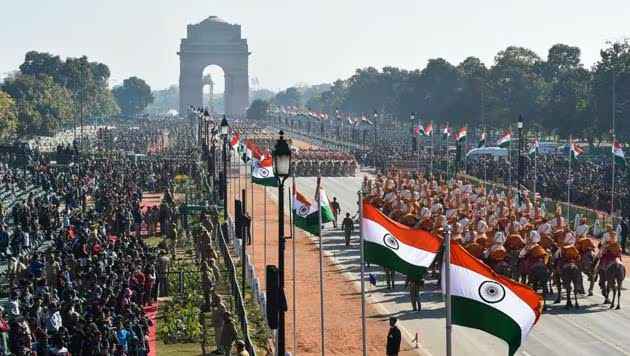
Republic Day fosters a sense of national unity and patriotism. The celebrations, especially the Republic Day Parade, highlight India’s cultural diversity and military strength, reminding citizens of their shared heritage and responsibilities.
4. Recognition of Cultural Heritage
The day also provides a platform to showcase India’s rich cultural heritage, with performances by school children, folk dancers, and traditional musicians from across the country.
Republic Day Celebrations
Republic Day is celebrated with grandeur across India, but the main celebration takes place at Rajpath in New Delhi. The celebrations can be broadly divided into the following segments:
1. Flag Hoisting
The day begins with the hoisting of the national flag by the President of India, who is also the Commander-in-Chief of the Indian Armed Forces. This is followed by the National Anthem and a 21-gun salute, symbolizing honor and respect for the nation.
2. Republic Day Parade
The Republic Day Parade is the centerpiece of celebrations in New Delhi. It showcases:
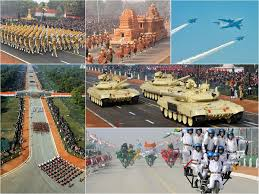
- Military strength: The Indian Army, Navy, and Air Force display their weapons, tanks, missiles, and aircraft in a ceremonial parade.
- Cultural diversity: Each state presents a tableau representing its unique culture, traditions, and achievements.
- School children performances: Children perform dances, songs, and skits that emphasize patriotism and national pride.
- Honoring heroes: Gallantry awards like the Ashok Chakra and Kirti Chakra are presented to soldiers and civilians for exceptional bravery and service.
3. Tableaux and Cultural Programs
Each state prepares a tableau depicting its culture, heritage, and achievements. This encourages unity in diversity, showcasing India’s pluralistic society. Folk dances, traditional music, and artistic displays are also part of the celebrations.
4. Beating Retreat Ceremony
Republic Day celebrations conclude with the Beating Retreat ceremony on 29th January. This is held at Vijay Chowk, New Delhi, where bands from the armed forces perform a ceremonial march, signaling the end of the festivities.
Republic Day and National Pride
Republic Day is not just a ceremonial celebration; it serves as a reminder of India’s journey as a sovereign republic. It instills a sense of national pride, reminding citizens of the sacrifices made by freedom fighters and the importance of upholding constitutional values.
Education and Awareness
Schools across India conduct debates, essay competitions, and quiz contests related to Republic Day to educate students about its significance. Children are encouraged to participate in cultural programs, fostering awareness of national history and civic responsibilities.
Patriotism and Civic Responsibility
Republic Day inspires citizens to actively participate in nation-building. It reinforces the idea that democracy thrives only when citizens are responsible, law-abiding, and committed to the welfare of society.
Key Figures Associated with Republic Day
Several leaders and personalities have contributed significantly to India’s transition into a republic:
- Dr. B.R. Ambedkar: Father of the Indian Constitution and Chairman of the Drafting Committee.
- Jawaharlal Nehru: India’s first Prime Minister who emphasized scientific progress, democracy, and education.
- Sardar Vallabhbhai Patel: Played a crucial role in integrating princely states into the Indian Union.
- Mahatma Gandhi: Though assassinated before India became a republic, his vision of non-violence and democracy influenced India’s constitutional values.
Republic Day Around India
While New Delhi hosts the main parade, Republic Day is celebrated throughout the country in schools, colleges, and government offices. Key activities include:
- Flag hoisting ceremonies
- Cultural programs
- Patriotic songs and performances
- Community service activities
- Recognition of local heroes and achievers
Even in remote villages, schools organize performances and citizens gather to celebrate, highlighting the deep-rooted respect for the republic across the nation.
Republic Day of India: A Detailed Exploration
(Continuation and Expansion)
State Tableaux: Celebrating Diversity
One of the most vibrant and anticipated parts of the Republic Day Parade is the state tableaux. Each state and union territory prepares a float that represents its cultural heritage, achievements, and social messages. These tableaux showcase the diversity of India while promoting unity.
Purpose of Tableaux
- Highlight each state’s unique identity.
- Promote awareness of local culture, crafts, and traditions.
- Spread messages of social awareness, such as education, environmental conservation, and health.
Examples of Famous Tableaux
- Rajasthan: Showcasing folk dances, desert festivals, and traditional handicrafts.
- West Bengal: Depicting the famous Durga Puja and its artistic heritage.
- Punjab: Illustrating Baisakhi festival and Sikh heritage.
- Madhya Pradesh: Featuring tribal art, wildlife, and heritage monuments like Khajuraho.
- Tamil Nadu: Showcasing Bharatanatyam dance, temples, and cultural legacy.
Tableaux are judged every year, and awards are given for the best tableau, encouraging creativity and pride among the states.
The Military Parade: Strength and Valor
The military parade is a symbolic demonstration of India’s defense capabilities. It is a display of discipline, strategy, and technological advancement.
Components of the Parade
- Marching contingents: Infantry regiments march in precise formations, reflecting military discipline.
- Armed forces display: Tanks, artillery, missiles, and advanced weaponry are showcased.
- Air show: Indian Air Force aircraft perform aerobatics, fly-pasts, and maneuvers, often including fighter jets like the Su-30, Mirage, and helicopters.
- Paramilitary forces: CRPF, BSF, and ITBP showcase their specialized skills and equipment.
- Mounted contingents: Cavalry units on horses perform ceremonial drills, linking modern India with historical traditions.
This parade not only instills patriotism but also reassures citizens of the nation’s security and defense preparedness.
Important Speeches on Republic Day
Several historic speeches are associated with Republic Day celebrations, reflecting the vision of India’s leaders:
1. Jawaharlal Nehru’s Vision
Nehru emphasized India’s democratic future, scientific progress, and unity. He inspired citizens to embrace freedom responsibly while contributing to nation-building.
2. Dr. B.R. Ambedkar’s Address
As the chief architect of the Constitution, Ambedkar’s insights on equality, justice, and social reform continue to influence policy and governance.
3. Presidential Addresses
Every year, the President of India addresses the nation on Republic Day. These speeches focus on:
- National achievements
- Social challenges
- Defense preparedness
- Calls for unity and integrity
Educational and Social Importance
Republic Day is an occasion for civic education. Schools, colleges, and community organizations use this day to promote awareness about constitutional values, democracy, and civic responsibility.
School Activities
- Flag hoisting ceremonies
- Debates, essay writing, and quizzes about Indian history and governance
- Cultural programs highlighting patriotism and social issues
- Competitions on state history and heritage
Community Awareness
Community events often focus on social issues such as:
- Environmental conservation
- Women’s empowerment
- Public health campaigns
- Promotion of education and literacy
Through these initiatives, Republic Day becomes more than a ceremonial occasion; it serves as a platform for nation-building.
Republic Day in the Digital Era
In recent years, digital media has transformed Republic Day celebrations. Live streaming of parades, virtual participation, and social media campaigns allow citizens across the country and abroad to witness and participate in the celebrations.
Benefits of Digital Participation
- Increases awareness among youth and diaspora communities.
- Encourages civic engagement through online campaigns.
- Promotes educational content about India’s history, culture, and achievements.
Interesting and Lesser-Known Facts
- First Republic Day: The first Republic Day parade was held in 1950, and it has been an annual event ever since.
- Significance of 26th January: It commemorates the 1930 Purna Swaraj Declaration, a historic milestone in India’s freedom struggle.
- Tableau Awards: States compete for awards like the President’s Banner, promoting creativity and heritage preservation.
- Unique Awards: Gallantry awards like Ashoka Chakra and Kirti Chakra are presented to soldiers and civilians for exceptional bravery.
- Beating Retreat Ceremony: Held on 29th January, it marks the official end of Republic Day festivities with bands from the armed forces performing ceremonial music.
Republic Day Beyond New Delhi
While the Delhi parade is the main attraction, Republic Day is celebrated across India in unique ways:
- State Capitals: Governors hoist flags and organize parades and cultural programs.
- Villages and Towns: Community gatherings, patriotic songs, and sports events strengthen local unity.
- Schools and Colleges: Students actively participate in dramatizations, debates, and flag-hoisting events.
- Indian Embassies Abroad: Indian missions worldwide celebrate Republic Day, fostering a sense of patriotism among the diaspora.
Republic Day and National Identity
Republic Day serves as a reminder of India’s core values:
- Justice: Legal equality and protection under the Constitution.
- Liberty: Freedom of thought, expression, and religion.
- Equality: Eliminating discrimination and promoting inclusivity.
- Fraternity: Strengthening bonds among citizens and fostering national unity.
It reinforces the idea that every citizen is a stakeholder in the democratic process, emphasizing that freedom comes with responsibility.
Path to Independence
India gained independence on 15th August 1947 under the Indian Independence Act of 1947, which ended British rule. However, independence alone did not define India’s governance structure. There was a need for a legal framework that guaranteed fundamental rights, equality, and democracy.
Drafting the Constitution
The Constituent Assembly, formed in 1946, was tasked with drafting India’s Constitution. Key facts include:
- Dr. B.R. Ambedkar – Chairman of the Drafting Committee and chief architect of the Constitution.
- Adoption Date – 26th November 1949.
- Enforcement Date – 26th January 1950.
- Significance of 26th January – Commemorates the Purna Swaraj declaration of 1930.
The Assembly spent nearly three years debating, considering suggestions from experts, citizens, and leaders. The Constitution combined parliamentary democracy, federalism, and social justice principles.
Significance of Republic Day
Republic Day is significant in multiple dimensions:
- Constitutional Significance: Marks India’s transition to a republic with a framework of governance that is by the people, for the people.
- Celebration of Democracy: India is the largest democracy; Republic Day celebrates electoral rights, justice, and equality.
- National Unity: It fosters a sense of pride, reminding citizens of shared heritage and values.
- Cultural Recognition: Displays India’s diversity, arts, and folk traditions.
- Recognition of Heroes: Honoring soldiers and citizens for bravery and service strengthens the spirit of patriotism.
Republic Day Celebrations
Flag Hoisting
The President of India, as Commander-in-Chief, hoists the national flag at Rajpath, New Delhi. This is followed by the National Anthem, a 21-gun salute, and ceremonial performances.
The Republic Day Parade
The Delhi parade is the centerpiece, showcasing military strength, cultural diversity, and national achievements.
Components of the Parade
- Military Contingents – Infantry units march in precise formations.
- Weapons Display – Tanks, missiles, artillery, and drones.
- Air Display – Fighter jets and helicopters perform fly-pasts.
- Paramilitary Forces – CRPF, BSF, ITBP demonstrate tactical skills.
- Cultural Performances – Folk dances, tribal arts, and youth performances.
- Mounted Cavalry – Traditional horse-mounted units demonstrate ceremonial drills.
Awards and Honors
- Gallantry Awards: Ashoka Chakra, Kirti Chakra, Shaurya Chakra
- Bravery Recognition: For soldiers and civilians contributing to society
- Best Tableau Awards: Recognizing creativity and cultural representation
State Tableaux: Celebrating Diversity
Each state and union territory showcases its culture, achievements, and heritage through a tableau.
Famous Examples
- Rajasthan: Desert culture, folk dances, handicrafts
- West Bengal: Durga Puja, art, literature
- Punjab: Baisakhi, Sikh heritage
- Madhya Pradesh: Tribal arts, wildlife, monuments
- Tamil Nadu: Bharatanatyam, temples, classical arts
Tableaux are judged annually, encouraging creativity, heritage preservation, and social messaging.
Beating Retreat Ceremony
Held on 29th January at Vijay Chowk, the Beating Retreat signals the official end of Republic Day celebrations. Bands from Army, Navy, and Air Force perform, concluding with the national flag being lowered.
Republic Day Abroad
Indian embassies worldwide celebrate Republic Day to foster patriotism among the diaspora. Events include:
- Flag hoisting and cultural performances
- Speeches about India’s democratic values
- Showcasing Indian cuisine, art, and music
Educational Importance
Schools use Republic Day to educate students about:
- Constitutional Rights and Duties
- History of Freedom Struggle
- Unity in Diversity
- Patriotism and Civic Responsibility
Activities include debates, quizzes, cultural programs, essay competitions, and dramatizations.
Youth and Republic Day
The youth play a crucial role in:
- Promoting democratic values
- Participating in community services
- Organizing awareness campaigns
- Performing patriotic dances, songs, and skits
Famous Republic Day Speeches
- Jawaharlal Nehru: Advocated for scientific progress, democracy, and education.
- Dr. B.R. Ambedkar: Focused on equality, social justice, and constitutional rights.
- Presidential Addresses: Highlight achievements, challenges, defense preparedness, and unity.
Lesser-Known Facts
- First Parade (1950): Featured a small military display, evolving into the massive modern parade.
- India’s Largest Democracy: Republic Day reminds citizens of the responsibility to uphold democracy.
- Cultural Fusion: Tableaux blend modern achievements with traditional heritage.
- State Competition: Tableaux are judged for creativity, representation, and message delivery.
Symbolism of Republic Day
- Democracy: Power resides with citizens, not rulers.
- Unity: Celebrates India’s pluralism and cultural diversity.
- Courage and Sacrifice: Honors those who protect and serve the nation.
- Education and Awareness: Reinforces civic responsibility and knowledge of the Constitution.
Conclusion
Republic Day is a tribute to India’s journey as a sovereign republic. It celebrates:
- The Constitution and democratic governance
- The unity and diversity of the Indian nation
- The valor and service of citizens and armed forces
- The cultural and social heritage of the country
It is a reminder of citizens’ duties, emphasizing that freedom, democracy, and progress require vigilance, responsibility, and dedication. Beyond parades and ceremonies, Republic Day inspires active nation-building, patriotism, and pride in India’s achievements.
Republic Day is more than a celebration; it is a living expression of India’s identity, democracy, and future. Every citizen’s participation ensures that India continues to thrive as a vibrant, inclusive, and progressive republic.